
Lieferung heute & morgen

Qualitätsgarantie

Willkommens-Angebote freischalten: KOSTENLOSE Lieferung | Bis zu 80 % RABATT | Kostenlose 30-Tage-JoyPlus-Testphase
App herunterladen
Protein bars are practical high-protein snacks for when you’re out and about, at work or after training. However, the term “High Protein” alone says little about sugar, calories, sweeteners or allergens. If you want to buy protein bars, you should therefore compare more than just flavour and packaging design – check the nutritional information and ingredients list carefully.
A bar may advertise a high protein content per 100 g, even though the individual serving provides considerably less protein. For example, if a product contains 20 g of protein per 100 g and the bar weighs 40 g, it actually contains 8 g of protein per bar. For comparison, always consider:
A low-sugar protein bar may still contain naturally occurring sugars. In addition, many products replace household sugar with maltitol, sorbitol, erythritol or sucralose. According to product labelling, consuming large quantities of sugar alcohols may have a laxative effect. So if you’re looking for a protein bar with no added sugar, you should also check the figures for “sugars” and “polyols”.
Chocolate protein bars often contain milk ingredients, soya or collagen. Peanut protein bars are unsuitable for people with a peanut allergy, even if the bar is otherwise gluten-free or low in sugar. With a vegan diet, milk protein, whey protein, casein and collagen must be excluded. The ingredients list is therefore more important than terms such as “fitness bar” or “clean snack”.
For a small snack between meals, a moderate amount of protein may be sufficient. After training or as part of a protein-focused diet, products containing around 16 to 20 g of protein per bar are easy to portion. However, individual protein requirements depend on diet, body weight and activity level. A protein bar is not a substitute for a balanced meal.
If you’re looking for a low-carb protein bar, don’t rely solely on the “Low Carb” marketing claim. The relevant details are:
A low sugar value may be accompanied by a higher proportion of fat, fibre or sugar alcohols. That’s why it’s worth checking the complete nutritional information.
In Germany, allergens that must be declared are highlighted in the ingredients list. Common ingredients in protein bars include milk, soya, peanuts, hazelnuts, wheat and barley. Precautionary allergen statements should also be taken into account if you have an allergy. “Gluten-free”, “vegan” or protein bars without palm oil are specific selection criteria, but none of them provides a general indication of the product’s overall nutritional value.
The following recommendations categorise products by pack size, nutritional information, ingredients and typical use.
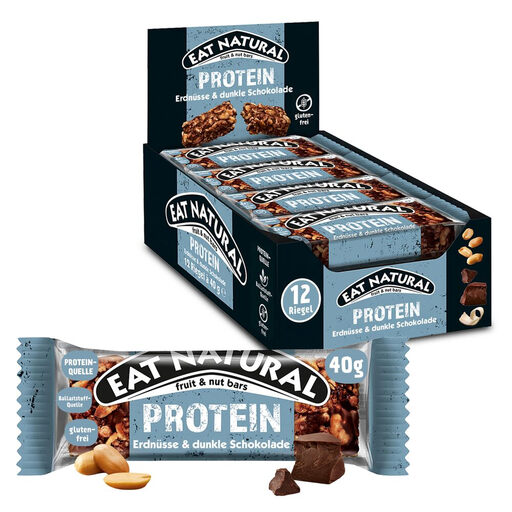
Why this product suits this profile: The pack contains 12 individually portioned 40 g bars, making it suitable for beginners or for keeping a supply at home.
The nutritional values and total quantity are clearly stated per 100 g: 19.5 g of protein and 24.9 g of sugar per 100 g. This makes it easier to assess the serving realistically.
49.5% peanuts, 12% dark chocolate, a gluten-free recipe according to the product information, and a total weight of 480 g.
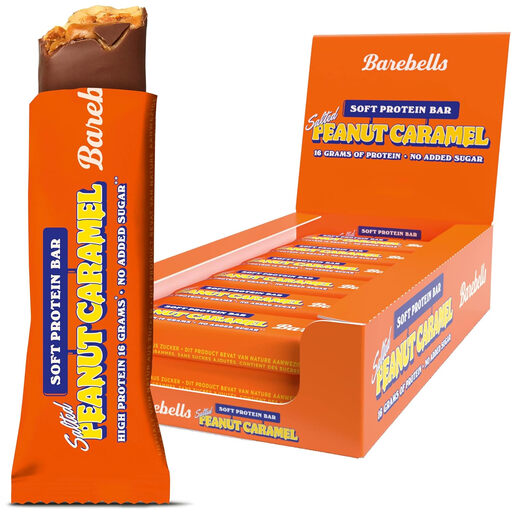
Why this product suits this profile: The soft texture, peanut pieces and caramel flavour appeal to shoppers who prefer a dessert-style bar with a clearly defined serving size.
With 16 g of protein and 2.1 g of sugar per 55 g bar, the values are clearly stated for the individual serving. The product information also highlights the use of sweeteners and possible digestive effects if consumed excessively.
12 bars with a total weight of 660 g, 29 g of protein per 100 g and, according to the product description, no palm oil.
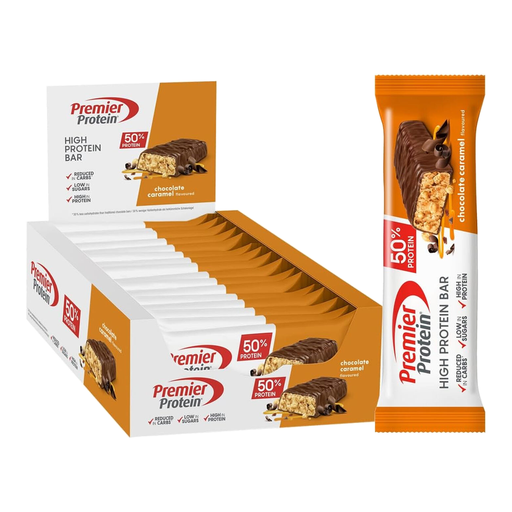
Why this product suits this profile: The 16-bar multipack is ideal for regular use during training, at work or when travelling, with individual portions ready to grab.
The protein content is stated as 20 g per 40 g bar. The ingredients list also identifies milk, soya and collagen – relevant information for planning your diet.
50% protein according to the product information, 16 bars per pack and a chocolate caramel flavour.
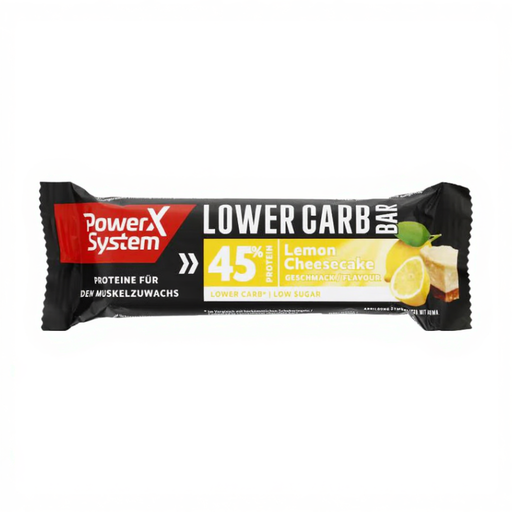
Why this product suits this profile: The 40 g bar is aimed at users looking for a fruity flavour and a clearly stated low-carb option before or after training.
The nutritional information states 45 g of protein and 1.7 g of sugar per 100 g. Milk, soya and barley are also listed as relevant ingredients or allergens.
45% protein per 100 g, 1.7 g of sugar per 100 g and lemon cheesecake flavour according to the product description.
We’ve put together a complete, regularly updated list of products that fully meet these strict selection criteria and the safety regulations applicable in the EU.
Most products should be stored unopened at room temperature in a cool, dry place protected from light. Heat can affect chocolate coatings and texture. The best-before date can be found on the packaging. Once opened, a bar should be eaten soon afterwards unless the manufacturer states otherwise.
For use after training, serving size, protein content and tolerance are key considerations. Moderate consumption is recommended for bars containing maltitol or other sugar alcohols. If you have allergies, check the current packaging information before every purchase, as recipes may change.
This depends on how you intend to use it. For a small snack, 8 to 12 g of protein may be sufficient. If you prefer a protein bar after training, many products offer servings containing around 16 to 20 g of protein. What matters most is how it fits into your daily diet.
Protein bars can supplement your protein intake. However, muscle building does not depend on a single product, but on factors including regular strength training, sufficient overall energy intake and a suitable diet. A bar is not a substitute for a varied meal.
The specific best-before date is printed on the packaging. Unopened bars should be stored according to the storage instructions. Do not eat the product if the packaging is damaged, or if it has an unusual smell or altered texture.