
Lieferung heute & morgen

Qualitätsgarantie

Willkommens-Angebote freischalten: KOSTENLOSE Lieferung | Bis zu 80 % RABATT | Kostenlose 30-Tage-JoyPlus-Testphase
App herunterladen
If you’re looking to buy protein powder, you’ll find plenty of products making similar promises: high protein content, easy mixing, special blends or “sugar-free” recipes. Price alone won’t tell you whether a powder is right for your nutritional goals. What matters is the ingredient list, nutritional values, serving size and how practical it is to use day to day.
“25 g of protein per serving” sounds clear enough at first. But a serving could contain 25, 30 or 40 g of powder. For a fair comparison, check the protein content per 100 g as well as the actual serving size.
A whey protein powder with 75 g of protein per 100 g may be a more practical choice than a product with a larger serving size if that serving contains considerably more powder. Carbohydrates, fat, sugar and salt are also worth comparing.
A sugar-free protein powder may contain sweeteners such as sucralose, steviol glycosides or acesulfame K. “No added sugar” doesn’t necessarily tell you the total carbohydrate or sugar content. If a product contains chocolate pieces, cereal ingredients or flavourings, it’s worth checking the full ingredient list.
Whey protein often consists of whey protein concentrate and whey protein isolate. Multi-source products may also contain milk, soya or egg protein. That isn’t necessarily a disadvantage, but it may matter if you have allergies, are sensitive to lactose or follow a particular diet.
If you’re choosing a protein powder to support muscle building, the total protein content is only one part of the decision. Check:
A higher protein content doesn’t automatically mean a lower cost per serving. When comparing different packs, work out the price per 20 or 25 g of protein.
If you’re looking for a sugar-free protein powder, compare the nutrition table with the ingredient list. A product may contain no added table sugar but still provide carbohydrates from cereals, chocolate or milk ingredients.
Calories are usually easier to estimate when you make a protein shake with water. Milk, oat drinks, bananas or nut butter can significantly increase the energy content. That may be what you want in a meal or snack, but it’s worth factoring into your daily plan.
A powder may work differently in a shaker, porridge or baking. Check:
Single-serving packs, such as the MAMMUT Nutrition Whey Protein Flavour Mix, can be more practical when you’re out and about than a large tub. If you use protein powder every day, a larger pack may reduce packaging waste per serving, provided the flavour and ingredients suit you over time.
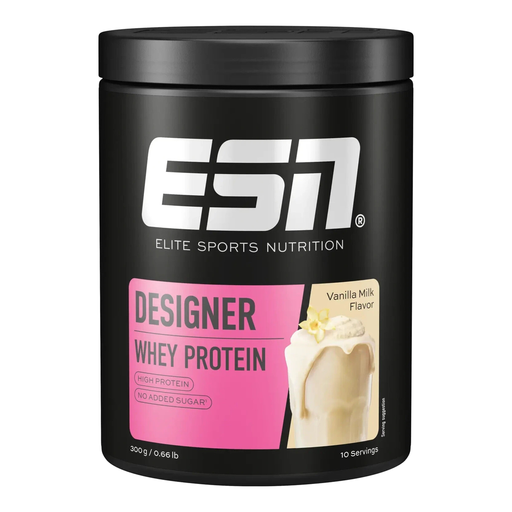
Why it suits this profile: The 300-g pack is a good way to try a whey protein powder. According to the product information, a 30-g serving provides 28.2 g of whey protein blend and can be prepared with 200 ml of water or semi-skimmed milk.
The stated protein content of 75 g per 100 g makes it easier to compare with other powders. Ingredients and allergens, including milk and soya, are listed.
Whey blend of concentrate and isolate; 1–3 servings daily according to the product information; vanilla flavour.
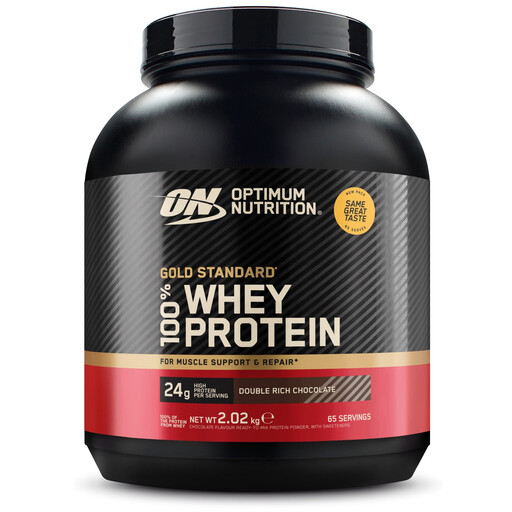
Why it suits this profile: The product information states that a 30-g serving contains 24 g of protein and 113 kcal, and is made with a blend of whey isolate, concentrate and hydrolysed whey.
Nutritional values are listed per 100 g and per serving, making it easier to understand what the protein shake actually provides.
30-g serving; versatile in shakes, smoothies, porridge or baking; contains milk and soya.
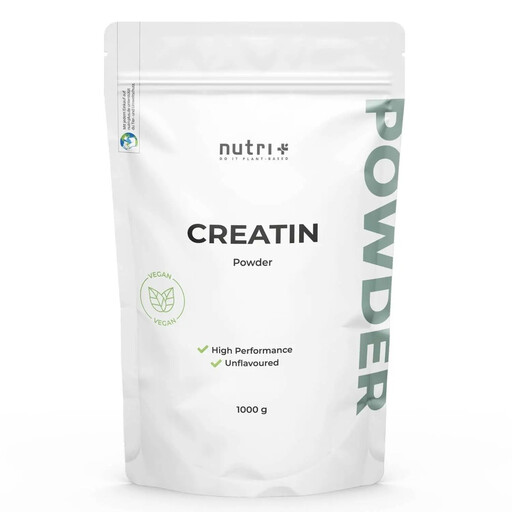
Why it suits this profile: If you’re looking for creatine powder for daily use alongside whey protein, this product offers a recipe made with creatine monohydrate and no flavourings, colourings or sweeteners, according to the product information.
The ingredient list is short and clear. The recommended daily serving is 3.4 g of powder, providing 3 g of creatine monohydrate, according to the product information.
1,000-g pack; vegan according to the product information; unflavoured creatine monohydrate to combine with protein powder.
We’ve put together a complete, regularly updated list of products that meet these strict selection criteria and fully comply with the safety regulations in force in the EU.
The serving size on the pack is a starting point, but it doesn’t replace a personalised nutrition plan. Spread your protein intake throughout the day and include everyday foods such as dairy products, pulses, eggs, fish, meat or tofu.
You can have a protein shake after training, at breakfast or as a snack. Follow the manufacturer’s instructions when preparing it. If you have allergies, are pregnant, have a medical condition, take medication or have reduced kidney function, speak to a medical professional before taking sports supplements.
Creatine powder, BCAA powder, pre-workout boosters and electrolytes each serve a different purpose. You don’t need to buy them all together by default. For products containing caffeine in particular, check the caffeine content, maximum daily amount and how well you tolerate it.
The best-before date applies to an unopened pack stored correctly. Once opened, protein powder should be kept dry, tightly sealed and out of direct sunlight. Moisture, clumping, an unusual smell or changes in taste are signs that you shouldn’t use it.
The recommended amount depends on your overall diet, body weight and training goals. A serving is often 20 to 30 g of powder. Always follow the instructions on the product you’re using. You don’t automatically need several servings if you’re already getting enough protein from food.
Whey protein comes from milk, so it isn’t suitable for people with a milk protein allergy. Many products also contain soya or other allergens. If you have difficulty digesting lactose, check the specific ingredients and consider choosing an alternative protein source.