
Lieferung heute & morgen

Qualitätsgarantie

Willkommens-Angebote freischalten: KOSTENLOSE Lieferung | Bis zu 80 % RABATT | Kostenlose 30-Tage-JoyPlus-Testphase
App herunterladen
If you're looking to buy protein powder, you'll come across countless varieties, flavours and pack sizes. Terms like "high protein", "muscle building" or "recovery" alone don't tell you much about whether a product is actually right for you. What really matters is the protein source, the protein content per serving, the ingredients list and how practical it is for everyday use.
This buying guide is designed for athletes, fitness enthusiasts, active adults, and vegans and vegetarians who want to supplement their protein intake in a targeted way.
A large pack isn't automatically good value. Always compare the protein content per 100 grams and also check the recommended serving size. For the products featured here, the figures range from around 21 to 24 grams of protein per 30-gram serving; other products state the value per 100 grams.
Important: if you prepare a protein shake with milk, the extra calories and nutrients from the milk also count. The information on the label often refers only to the powder, or specifically states preparation with milk.
Vegan protein powder contains no animal ingredients, but it can differ significantly in terms of protein sources, flavour and texture. Soya protein, pea protein, rice protein, sunflower protein and wheat protein each have their own characteristics.
If you follow a vegan diet, also watch out for potential allergens. A blend containing wheat protein, for example, is not suitable for anyone who needs to avoid wheat or gluten. Always refer to the full ingredients and allergen labelling on the packaging.
Chocolate protein powder, White Chocolate Pistachio or Chocolate Brownie all sound different, but the actual sweetness and solubility depend on the recipe and the liquid you use. Some products contain sucralose or acesulfame K, while others have no added sweeteners.
If you prefer a neutral or less sweet profile, check the ingredients list. With products that contain no sweeteners, you may need to adjust the flavour with cocoa, fruit or a suitable sweetener alternative.
Whey Protein is milk-based and works well for many people looking for a classic protein powder for their shake. It contains milk ingredients and is therefore not vegan. A multi-component protein combines several sources, for example soya, milk, whey and egg protein.
Plant-based protein powder can come from a single source or a blend. Combinations of soya, pea, rice and sunflower protein are appealing for buyers who prefer different plant sources in one product. When choosing a vegan option, always check the ingredients list as well as the product name.
Casein Protein is derived from milk and is often chosen for shakes between meals or in the evening. You should follow the manufacturer's usage recommendations and guidelines; a specific time of day isn't necessary for everyone.
Compare at least these three values:
A 300-gram pouch can be useful for trying out a flavour. For regular use, 768 grams, 1 kilogram or 2 kilograms offer a different quantity for stocking up. Only choose large packs if you're already familiar with the flavour, ingredients and how well it suits you.
Check for milk, soya, egg, wheat, nuts and any trace warnings. It's also worth looking at the recommended liquid amount. Depending on the recipe, the products mentioned are mixed with roughly 180 to 400 millilitres of water, milk or a plant-based drink.
This can noticeably change the texture. A protein powder for muscle building or daily protein intake should therefore be chosen not just on the basis of marketing claims, but also according to serving size, ingredients and ease of preparation.
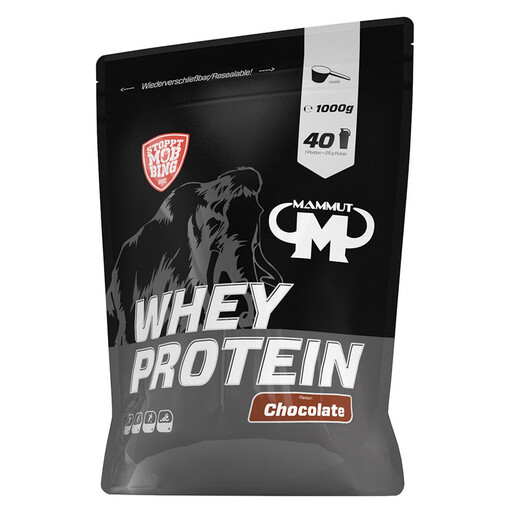
Why this product fits the profile: The 1 kg pack and the stated 25 g serving offer a straightforward introduction to whey protein. According to the product information, one serving prepared with 300 ml of semi-skimmed milk provides 27 g of protein.
The protein amount is shown per serving. Milk is clearly listed as an allergen, so the product won't be mistakenly bought as a vegan option.
Whey protein concentrate, scoop included, and can be prepared with water or milk.
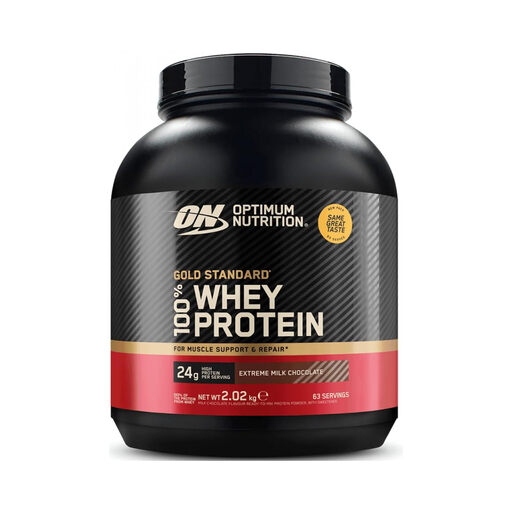
Why this product fits the profile: The large pack is aimed at users who prepare a protein shake regularly. It provides 22.2 g of protein per 30 g serving and 74 g of protein per 100 g.
The nutritional values are given per 100 g and per serving. Milk and soya are listed as allergens; the information on the packaging remains definitive.
2,020 g pack size, whey blend and recommended preparation with 200–300 ml of liquid.
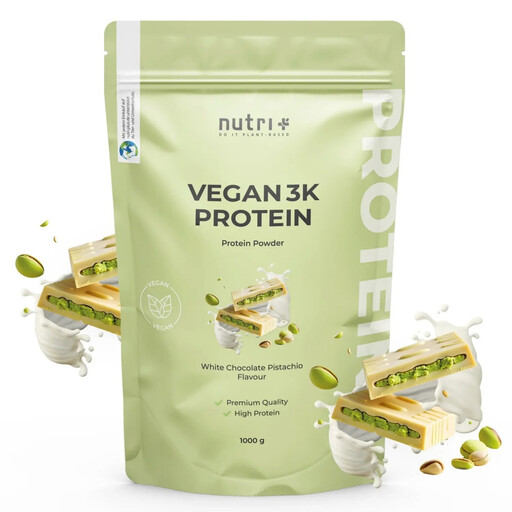
Why this product fits the profile: According to the ingredients list, the recipe combines soya protein isolate, pea protein isolate and sunflower protein. It provides 23 g of protein per recommended 30 g serving.
The plant-based protein sources are specifically named. This reduces the risk of choosing a blend labelled as vegan without checking the ingredients.
1 kg pack, three plant-based protein sources and a recommended liquid amount of 350–400 ml.
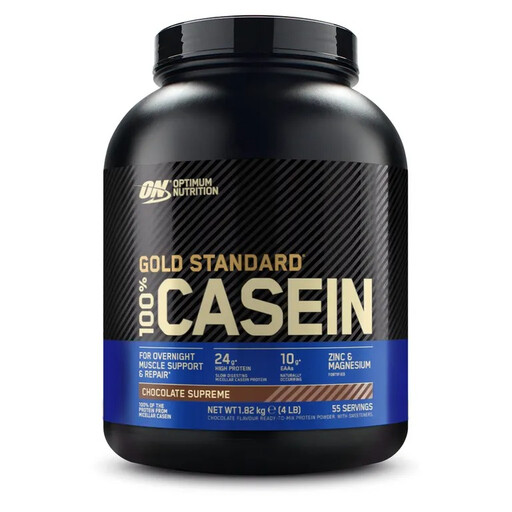
Why this product fits the profile: Casein protein is an option for users who want an additional milk protein source alongside a classic whey product, for between meals or in the evening. According to the product information, one serving provides 24 g of protein.
The protein type is clearly stated as micellar casein. Milk as an allergen and possible traces of other ingredients are listed.
1,800 g pack size, 88% micellar casein according to the ingredients and 55 stated servings.
We've put together a full, regularly updated list of products that fully meet these strict selection criteria and the safety regulations in force in the EU.
To make a protein shake, mix the powder with water, milk or a plant-based drink according to the manufacturer's instructions. A shaker makes preparation easier when you're on the go or at the gym. Protein powder can be a practical addition after your workout; what really matters is your total protein intake throughout the day.
Do not exceed the recommended daily serving on your own. Food supplements are not a substitute for a varied, balanced diet. If you have allergies, medical conditions, are taking medication, are pregnant or breastfeeding, you should seek medical advice before use.
The best-before date on the packaging is what counts. Once opened, the powder should be stored in a dry, cool place away from light and kept tightly sealed. Moisture can affect the texture and solubility. If you notice an unusual smell, taste or visible changes, do not use the product.
That depends on your diet, any allergies and personal preferences. Whey protein contains milk and is not suitable for vegans. Vegan protein powder is based on plant sources such as soya, pea or rice. Compare the protein amount, ingredients list and flavour rather than just the product name.
A protein shake can be used after training, between meals or as part of your daily nutrition. A fixed time of day isn't necessary for everyone. Follow the serving recommendation from the manufacturer and take into account the protein you get from regular food.