
Lieferung heute & morgen

Qualitätsgarantie

Willkommens-Angebote freischalten: KOSTENLOSE Lieferung | Bis zu 80 % RABATT | Kostenlose 30-Tage-JoyPlus-Testphase
App herunterladen
Protein powder is a convenient way to supplement your daily protein intake – at breakfast, after training or as a protein-rich snack. The choice ranges from classic Whey Protein and vegan protein powder to high-calorie weight gainers. However, this variety can make comparing products more difficult.
Three common buying misconceptions particularly often lead to unnecessary spending:
Do not just compare the number of grams shown on the front. For example, a whey product may provide around 23.7 g of protein in a 30 g serving. Depending on the variety, vegan protein powder may also contain around 23 to 24 g per 30 g.
Also check:
A mass gainer serves a different purpose from classic protein powder. According to the product information, Optimum Nutrition Serious Mass provides more than 1,250 kcal, 50 g of protein and over 250 g of carbohydrates per serving of approximately 340 g. This is relevant for people with high calorie requirements, but it will not automatically suit every diet plan.
Whey Protein contains milk ingredients. If you are sensitive to milk or lactose, check the ingredients and allergen information carefully. “Isolate” describes a type of protein, but on its own does not say anything about your individual tolerance.
Vegan protein powder contains no animal-derived protein sources. Blends of several plant proteins, such as soya, pea and sunflower protein, can combine different amino acid profiles. According to the product description, nutri+ 3K Protein uses exactly these three protein sources.
The term “vegan” should always be checked against the packaging label and ingredients list. Information about suitability may also be relevant for flavourings, chocolate ingredients and processing notes.
Before buying, check whether the product suits your diet. Milk is listed as an allergen for Optimum Nutrition Gold Standard 100% Whey; some varieties may also contain soya or gluten-containing ingredients. According to the ingredients list, Serious Mass Cookies & Cream contains milk, soya and wheat, among other ingredients.
Preparation can also affect how convenient a product is day to day:
Follow the consumption recommendation on the relevant packaging. Food supplements should not be used as a substitute for a balanced and varied diet. If you have allergies, medical conditions or take medication, or during pregnancy and breastfeeding, it is advisable to seek medical advice.
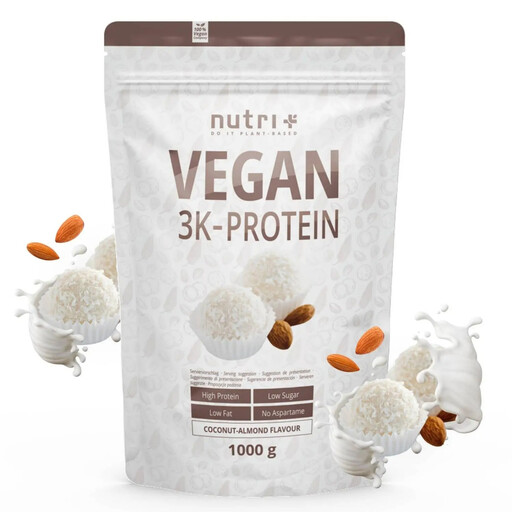
Why this product suits this profile: The 1 kg pack and recommended 30 g serving offer a straightforward introduction to plant-based protein powder. Each serving contains 24 g of protein.
The protein content is specified for the actual serving size. Ingredients such as soya, pea and sunflower protein are clearly listed.
Three-way plant-based blend, 1 kg contents and preparation with 350–400 ml of liquid.
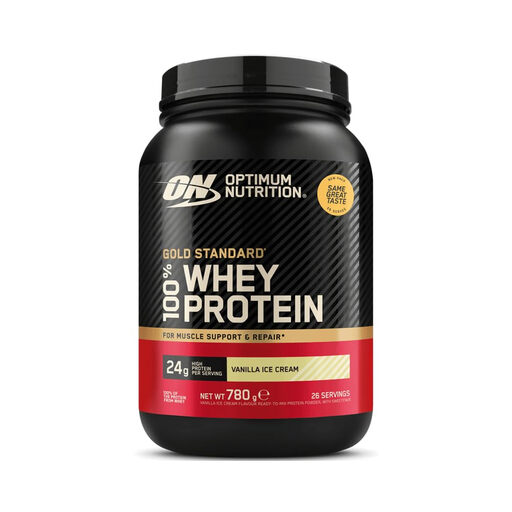
Why this product suits this profile: According to the product data, this whey provides 23.7 g of protein per 30 g serving at 113 kcal. It is mixed with 200–300 ml of water or milk.
Nutritional values are provided per 100 g and per serving. Milk is explicitly listed as an allergen.
79 g of protein per 100 g, 5.5 g of carbohydrates per 100 g and resealable packaging according to the product information.
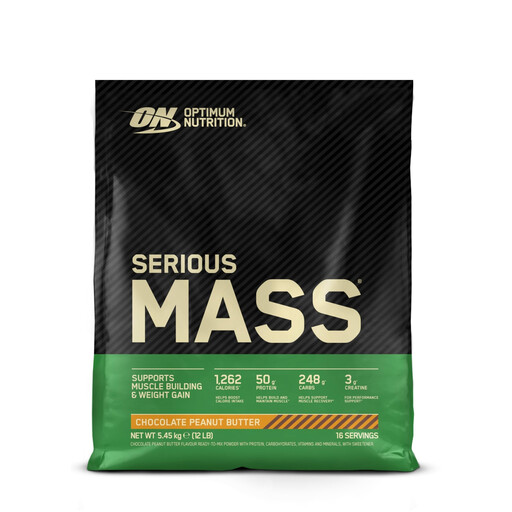
Why this product suits this profile: This high-calorie weight gainer is aimed at adults who want to include plenty of carbohydrates and calories alongside protein.
The large serving size is clearly stated. This helps prevent using a mass gainer accidentally like a regular whey product.
5.45 kg contents, more than 1,250 kcal and 50 g of protein per stated serving of approximately 340 g.
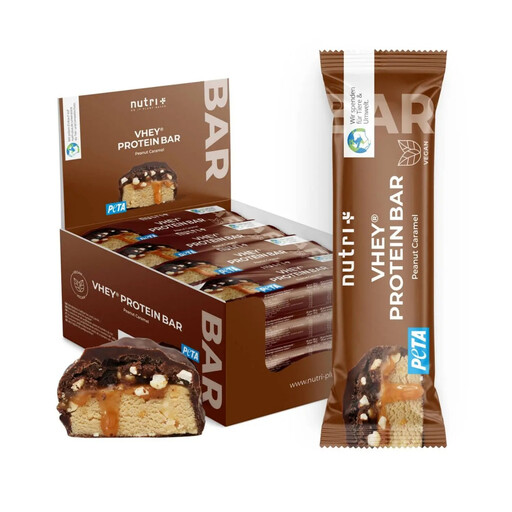
Why this product suits this profile: According to the product description, each 50 g bar provides 11 g of plant-based protein and requires neither a shaker nor refrigeration when taken with you.
The protein content per bar and the 12-pack size make the cost per snack easier to estimate than buying individual bars loose.
12 bars, pea protein as the main protein source and convenient use on the go.
We have put together a complete, regularly updated list of products that fully meet these strict selection criteria and the safety regulations applicable in the EU.
For a classic protein shake, one serving according to the manufacturer’s instructions is usually sufficient. Water reduces additional calories, while milk or plant-based drinks change the flavour and nutritional values. When building muscle, your overall diet and training plan are what matter; protein powder alone cannot replace sufficient energy intake or regular strength training.
A shake after training can be a practical option to support muscle recovery, but this does not mean there is a strict time window. A protein bar is better suited to taking with you, while a mass gainer is designed to provide additional calories.
The best-before date on the packaging is the key reference. Store the powder in a cool, dry place away from light and keep it tightly sealed. Moisture can affect its consistency and how easily it can be prepared. A prepared shake should be consumed promptly.
The recommended amount is stated on the relevant product. One serving is often 30 g, although mass gainers typically require considerably more. Your personal protein intake depends on your diet, body weight, activity levels and training goal. Protein powder should be used as a supplement, not as a replacement for a varied diet.
A protein powder or protein bar explicitly labelled as vegan may be suitable. Also check the ingredients and allergen list. Whey Protein and casein are milk proteins and are therefore not vegan. If wheat, soya, pea or almond appears in the ingredients list, people with a corresponding intolerance should avoid the product.