
Lieferung heute & morgen

Qualitätsgarantie

Willkommens-Angebote freischalten: KOSTENLOSE Lieferung | Bis zu 80 % RABATT | Kostenlose 30-Tage-JoyPlus-Testphase
App herunterladen
Protein products make it easier for athletes, fitness enthusiasts and active adults to supplement their daily protein intake. However, there are clear differences between whey protein, protein powder, ready-to-drink shakes and protein bars when it comes to ingredients, serving sizes, sweeteners and the price per gram of protein. If you focus only on marketing claims such as “High Protein” or “Low Carb”, you may end up paying for features that have little practical relevance.
A statement such as “50% protein” may initially sound clear. However, what matters is whether this figure refers to 100 g or to a single serving. A protein bar also contains a chocolate coating, filling and sweeteners. You should therefore always compare the nutritional values per 100 g as well as the amount of protein per serving.
A product with no added sugar may still contain naturally occurring sugars. In addition, many bars use sugar alcohols such as maltitol. Consuming too much of these can have a laxative effect. The ingredients list and the figures for “of which sugars” and “of which polyols” are therefore more important than the front of the packaging.
Whey protein comes from milk and may contain lactose, depending on the recipe. Some products also contain soya, egg, gluten or nuts. If you have allergies or intolerances, check the complete labelling on the product packaging. A protein shake is not a substitute for a varied diet either.
Whey protein usually consists of whey protein concentrate, isolate or a blend of the two. Isolate is often more heavily filtered, which can result in a higher protein content and lower levels of fat and carbohydrates. Concentrate, on the other hand, typically contains additional milk components. The main factors to consider when choosing a product are:
With protein powder, you should also check how much liquid is recommended for one serving. A powder providing 24 g of protein per 30 g serving should be assessed differently from a powder providing 27 g of protein when mixed with 300 ml of milk.
A ready-to-drink protein shake is practical for the office, car or journey home from the gym. However, the packaging is usually larger and the price per serving may be higher. Once opened, refrigeration and consumption instructions often apply.
Protein powder is more flexible: it can be mixed with water, milk or a plant-based drink, and can also be added to porridge or baking recipes. However, powder requires a shaker or another suitable mixing container.
A protein bar is ideal as a portable high-protein snack. Check whether the bar also contains high levels of fat, carbohydrates or polyols. A chocolate protein bar is still a ready-to-eat snack and should not automatically be considered equivalent to a complete meal.
Do not compare the pack price alone. Divide it by the stated number of servings and then check the amount of protein per serving. With larger packs, such as 2,000 or 3,000 g, the price per unit may be lower, but they are only worthwhile if you already know that you like the flavour and tolerate the product well.
Powder should be stored in a dry, sealed place away from heat and direct sunlight. Ready-to-drink products may require different storage depending on the packaging. With bars, pay attention to the best-before date and any instructions for protecting them from heat.
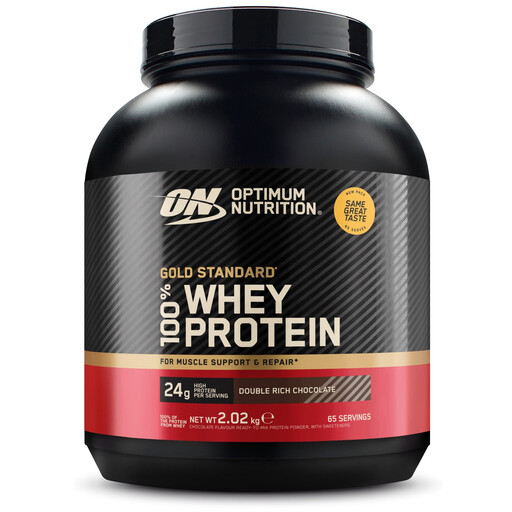
Why this product suits this profile: The large pack is aimed at people who regularly prepare protein shakes and want to compare the cost per serving. According to the product information, a 30-g serving provides 24 g of protein and 113 kcal.
The nutritional information states the protein, sugar, carbohydrate and fat content per 100 g and per serving. This makes it easier to compare the recipe objectively with other powders.
Whey blend with isolate, concentrate and hydrolysed whey; stated solubility and versatile use in shakes, smoothies or recipes.
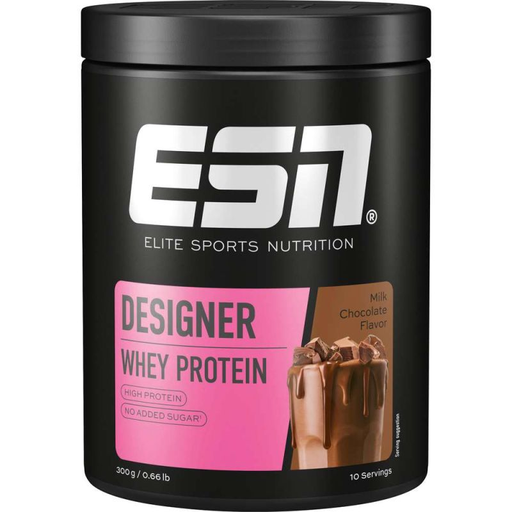
Why this product suits this profile: The combination of whey concentrate and whey isolate is appealing to users who examine ingredients and nutritional values in detail and want to use the powder in a variety of ways.
The product description states a whey content of 92% and identifies milk and soya as allergens. This makes it easier to make an informed choice rather than buying based solely on flavour-based marketing.
According to the product information, 76 g of protein per 100 g; suitable for preparation with water, milk or a plant-based drink, as well as for porridge and baking recipes.
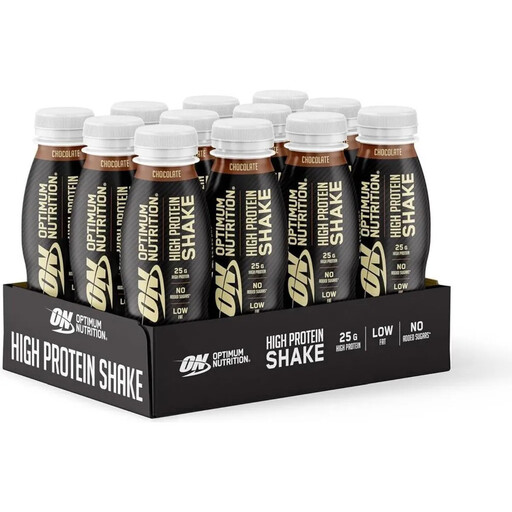
Why this product suits this profile: The ready-to-drink protein shake is ideal for working days, travel or situations where you do not have a shaker or refrigeration available for preparation.
The information distinguishes between 25 g of protein, 1 g of fat and 13 g of sugar per 330-ml bottle. This prevents the practical benefits from being confused with a blanket “sugar-free” claim.
12 individual servings, 330 ml per bottle and no artificial colourings according to the product description; follow the stated refrigeration instructions after opening.
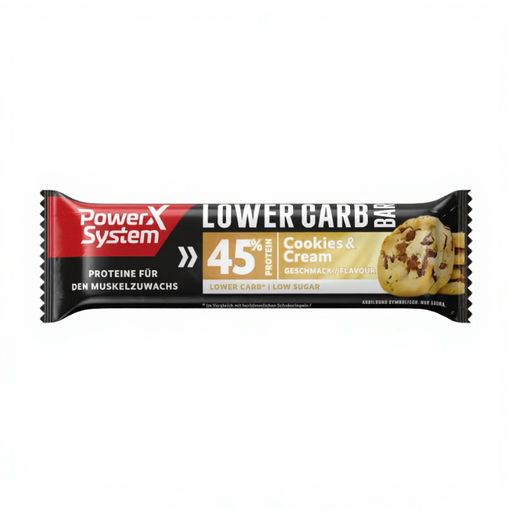
Why this product suits this profile: The compact low-carb protein bar is designed for taking on the go, keeping in your gym bag or enjoying as a snack between appointments.
Alongside the “Low Carb” name, specific figures are provided: 45 g of protein and 29 g of carbohydrates per 100 g. The recipe contains maltitol; consuming too much may have a laxative effect.
40-g serving, milk and soya protein, plus practical individual packaging; manufactured in Germany according to the product information.
We have put together a complete, regularly updated list of products that fully meet these strict selection criteria and the safety regulations applicable in the EU.
For building muscle and sports nutrition, the product itself is not the only factor that matters. Your overall energy intake, regular exercise, sleep and a varied diet are all important. A protein shake can supplement a meal when you have little time in your daily routine. A protein bar may be more practical when you are out and about, while a large bag of protein powder may offer better value for regular users.
Check the current packaging information before buying. Recipes and nutritional values may vary depending on the flavour. If you have an existing medical condition, take medication, are pregnant or are unsure whether you will tolerate a product, seeking medical advice is advisable.
Follow the dosage instructions for the product in question. Typically, around 25 to 30 g of powder is mixed with water or milk. Water is suitable for easier calorie control, while milk changes the flavour, consistency and nutritional values. Drink the prepared shake soon afterwards and avoid storing it for unnecessarily long periods.
The best-before date on the packaging is the key reference. When unopened and stored in a cool, dry place, powder can generally be used up to this date. Once opened, the pack should be sealed tightly. Opened bars and ready-to-drink shakes require particular attention to the relevant manufacturer’s instructions.
The price depends on the pack size, amount of protein and product format. First, calculate the pack price divided by the number of servings. Then compare the amount of protein per serving and the nutritional values. Powder may be cheaper per serving, while a ready-to-drink shake may justify its higher price through its immediate availability.