
Lieferung heute & morgen

Qualitätsgarantie

Willkommens-Angebote freischalten: KOSTENLOSE Lieferung | Bis zu 80 % RABATT | Kostenlose 30-Tage-JoyPlus-Testphase
App herunterladen
Red beans are a versatile ingredient found in kitchens worldwide—from hearty chili con carne to delicate Asian desserts. But anyone looking to buy red beans often faces a wider selection than they expect. Choosing the wrong type or preparation method can quickly ruin a dish. This guide will help you avoid the most common pitfalls and find the perfect beans for your culinary project.
Many shoppers grab the first product they see at the supermarket without checking the details. This often leads to disappointment in the kitchen. Pay attention to these three points to avoid making the wrong purchase.
To ensure you get the right product for your dish, you should check two key parameters: the bean type and the processing method.
Choosing the right type is fundamental to your recipe's success.
Depending on your time constraints and intended use, a different form may be more suitable.
Based on these criteria, we have compiled a selection of products suitable for specific needs and culinary projects.
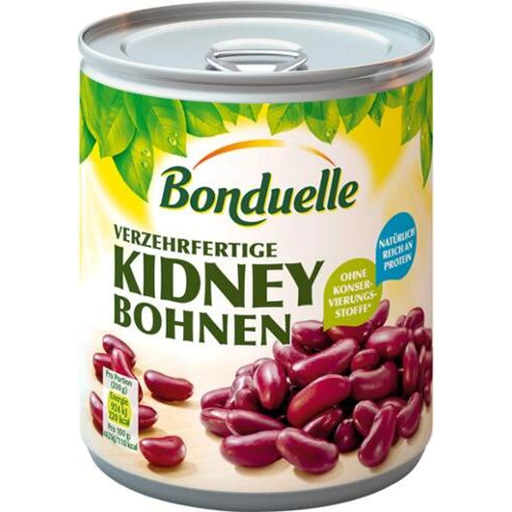
Why This Fits Their Persona: Ideal for home cooks who want to quickly and easily prepare a hearty chili con carne, stew, or salad. The beans are already cooked and ready to use.
The product is clearly labelled as a kidney bean, preventing confusion with other types. Although it's a canned product, the ingredient list is straightforward and tailored for savory applications.
A huge time-saver, as no soaking or long cooking is required. The beans maintain their firm texture, making them well-suited for stews and braises.
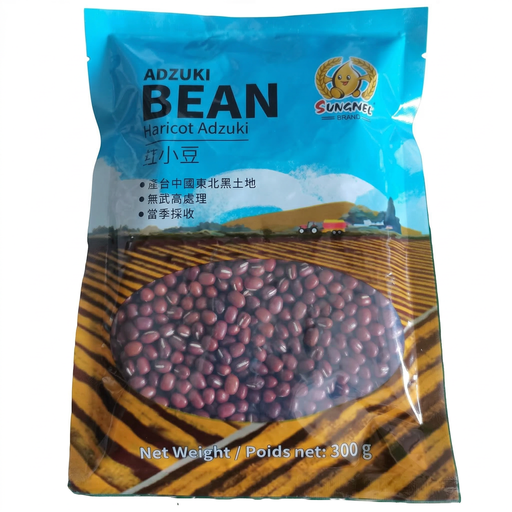
Why This Fits Their Persona: Perfect for anyone who wants to make authentic red bean paste (anko) for Japanese or Chinese desserts from scratch. These beans are specially selected for this purpose.
These are explicitly adzuki beans, which eliminates the most common mistake—confusing them with kidney beans. The product is free from additives and delivers a pure bean flavour.
The beans become very soft and creamy when cooked, yielding what the manufacturer describes as a "sandy" texture—ideal for a smooth paste. The 300g package is a convenient household size.
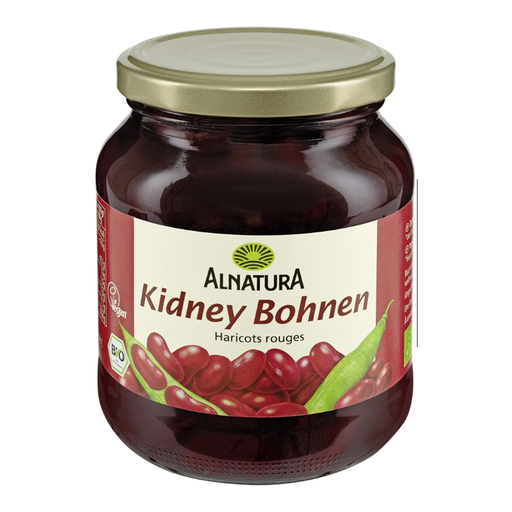
Why This Fits Their Persona: For health-conscious consumers who value organic quality and an ingredient list with no surprises, but don't want to give up the convenience of pre-cooked beans.
This product avoids the trap of hidden additives. According to the manufacturer, the ingredient list consists only of organic kidney beans, water, and sea salt. The glass jar packaging is often perceived as a mark of quality.
Certified organic quality (NL-BIO-01) and a minimalist recipe with no added sugar. The beans are ready to use and provide a nutrient-rich base for quick meals.
We have compiled a complete, up-to-date list of products that fully meet these strict selection criteria and local regulations.
Should you wash canned red beans? It is recommended to rinse beans from a can or jar in a sieve under clear water before use. This removes excess salt and starch from the preserving liquid, which improves the taste and reduces the sodium content.
What is the exact difference between kidney beans and adzuki beans? The main difference lies in their size, texture, and flavour, which determines their use. Kidney beans are large, kidney-shaped, and remain firm when cooked, making them ideal for savory dishes like chili. Adzuki beans are small, round, slightly sweet, and break down into a soft mass when cooked, which makes them perfect for sweet red bean paste.
How long do dried red beans last? When stored correctly—cool, dry, and dark in an airtight container—dried red beans can last for several years. However, they can become harder over time and may require a longer soaking and cooking period. It is advisable to use them within one to two years to ensure optimal texture.