
Lieferung heute & morgen

Qualitätsgarantie

Willkommens-Angebote freischalten: KOSTENLOSE Lieferung | Bis zu 80 % RABATT | Kostenlose 30-Tage-JoyPlus-Testphase
App herunterladen
The search for the right red wine can quickly become overwhelming. The vast selection, diverse labels, and often flowery descriptions don't make the decision any easier. As a result, many buyers stick to familiar names or are swayed by supposed bargains, which doesn't always lead to the desired tasting experience. As your Joybuy Product Recommendation Officer, I'll help you understand the key criteria and avoid common pitfalls when buying wine.
Before we turn to the characteristics of good wines, it's helpful to know two common sources of error that often lead to disappointment.
red wine deal is tempting, but it can also be a sign of overproduction, a lower-quality vintage, or improper storage. A low price alone is no guarantee of good value for money, especially if the taste is unconvincing.To find a red wine that suits your taste, you should focus on objective and verifiable criteria. The following three aspects are crucial for your selection.
The origin is one of the most important indicators of a wine's character. Protected Designations of Origin (PDOs) guarantee that the wine was produced in a specific region according to established rules.
Italian red wine. Wines like Barolo or Chianti Classico must meet strict production regulations.French red wine with an AOC seal is subject to strict controls.Rioja and Priorat regions.Each grape variety has a typical aroma and flavour profile. Knowing a few basic varieties helps immensely with orientation.
Rioja, which can exhibit notes of cherries, plums, tobacco, and leather.The term dry red wine is a technical term that refers to the residual sugar content. In the EU, a dry wine is legally allowed to contain a maximum of 9 grams of residual sugar per litre (with acidity playing a role). This does not mean the wine is sour, but rather that the grapes' sweetness has been almost completely converted into alcohol. This results in a flavour profile where fruit aromas, acidity, and tannins are at the forefront.
Based on these objective criteria, we have selected a few wines from our range that are suitable for different preferences and occasions.
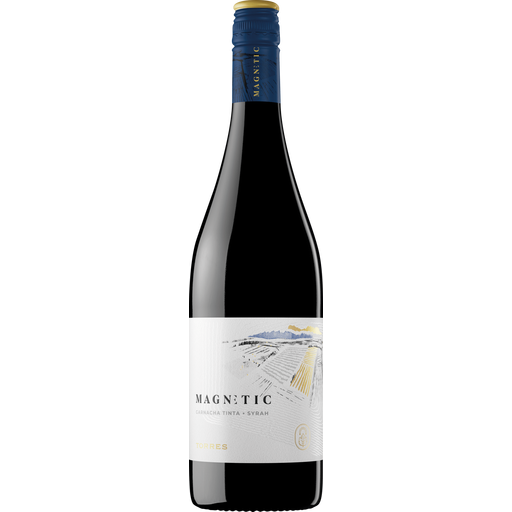
Why this wine is a great fit: Ideal for beginners or for uncomplicated enjoyment after work. This Spanish red wine is approachable, balanced, and versatile without being overly complex.
Instead of relying on a flashy label, this wine focuses on a clear designation of origin (DO Catalunya) and a well-known grape blend (Garnacha, Syrah) known for its pleasing character.
Soft tannins and a balanced structure make it a versatile companion for tapas, grilled foods, or Mediterranean dishes.
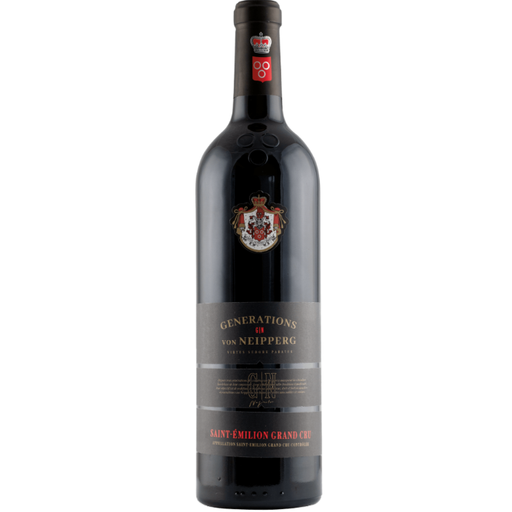
Why this wine is a great fit: For connoisseurs seeking a distinguished and complex wine from one of the world's most famous wine regions. A classic `French red wine` for special occasions.
The classification as Saint-?milion Grand Cru is a strictly controlled promise of quality that goes far beyond a mere marketing label and guarantees high standards.
A blend of Merlot and Cabernet Franc, typical for the region. It offers complex aromas of dark berries and violets, a velvety texture, and a long finish.
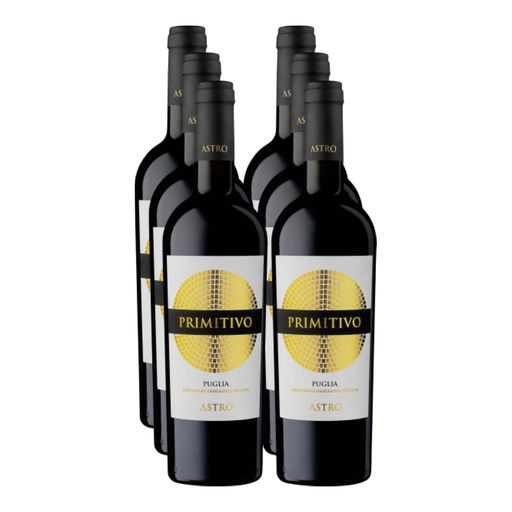
Why this wine is a great fit: For lovers of full-bodied, sun-drenched wines. The `Primitivo` from Puglia is known for its intense fruit and its soft, approachable character.
This wine delivers exactly what the `Primitivo` grape and its Apulian origin (Puglia IGP) promise: an authentic, fruit-forward, and full-bodied red wine without false pretences.
Aromas of ripe red fruits, spices, and vanilla. On the palate, it is full-bodied and velvety, making it an ideal companion for hearty meat dishes or pasta.
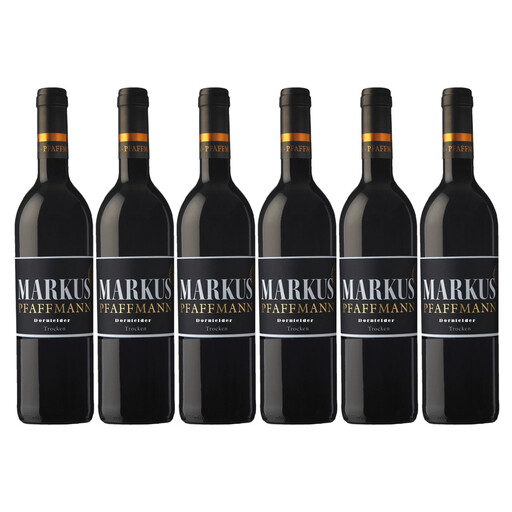
Why this wine is a great fit: This `red wine case` offers excellent value for money and a quality that appeals to a wide range of guests. A modern, fruity German red wine that is highly versatile.
Instead of being an opaque deal, this case comes from a renowned winemaker in the Pfalz region. The designation as Qualit?tswein ensures a reliable standard.
Deeply fruity with silky tannins and aromas of dried plums and cherries. The convenient screw cap makes it ideal for social gatherings and parties.
An opened bottle of red wine should be resealed tightly and stored in a cool place. Lighter red wines will last for about 1–3 days, while more powerful, tannin-rich wines can still be enjoyable after 3–5 days. A wine vacuum sealer can extend its shelf life.
A dry red wine has a low residual sugar content (usually under 9 g/l). The taste is not dominated by sweetness, but by fruit aromas, acidity, and tannins. Most classic European red wines are vinified dry.
The ideal serving temperature depends on the type of wine. Light, fruity red wines like a young Sp?tburgunder (Pinot Noir) are best served slightly chilled at 14–16 °C (57–61 °F). Powerful, complex wines like a Bordeaux or Barolo unfold their aromas optimally at 16–18 °C (61–64 °F). Serving wine too warm makes the alcohol more prominent and can cause the aromas to become flat.