
Lieferung heute & morgen

Qualitätsgarantie

Willkommens-Angebote freischalten: KOSTENLOSE Lieferung | Bis zu 80 % RABATT | Kostenlose 30-Tage-JoyPlus-Testphase
App herunterladen
When you're looking to buy red wine, you're often faced with a vast shelf or an endless online selection. The labels promise grand tasting experiences, but not every wine delivers on its promise. Before you make a decision, it's helpful to know some common pitfalls that can lead to disappointment.
A common issue is impressive-sounding descriptions that say little about the actual quality. Terms like "Selection" or "Edition" are often pure marketing and aren't protected by legal quality standards. Another point is the assumption that a high price automatically guarantees a better wine. Often, buyers pay for a famous name or an elaborate bottle, while wines from lesser-known regions with better value for money remain undiscovered.
This guide will help you navigate these hurdles and make an informed choice that suits your taste and occasion.
You don't need years of experience or a sommelier course to find the right red wine. Focusing on a few crucial criteria will help you narrow down the selection and find a wine that meets your expectations.
The grape variety is the most important factor determining a wine's flavour. Each variety has a typical aroma profile. If you know your preferences, you can search more effectively.
The designation of origin on the label provides information about compliance with specific production standards. It is a more reliable indicator than pure marketing terms.
These seals guarantee that the wine comes from the specified region and was produced according to traditional, established methods.
The flavour profile designation refers to the residual sugar content in the wine. A dry red wine is the most common variety and, by legal definition, contains very little unfermented sugar (in Germany, up to 9 g/l, depending on acidity). These wines are not sour; they simply don't taste sweet, allowing the grape's typical fruit and spice aromas to shine through clearly. Those who prefer something fruitier and rounder can opt for off-dry or sweet wines.
The following selection has been curated to cater to different taste profiles and budgets.
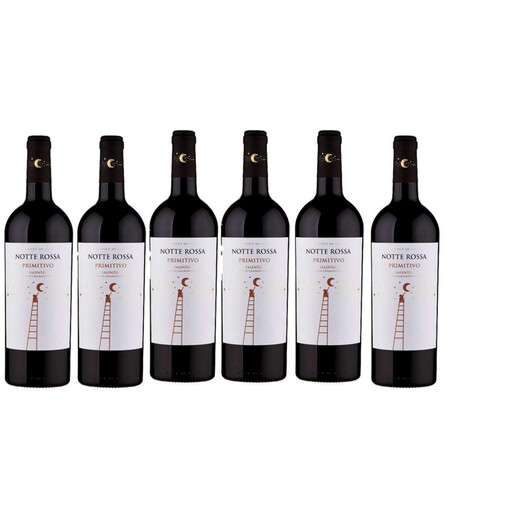
Why this wine is a great fit: This Primitivo is a prime example of an approachable yet characterful Italian red wine. It's ideal for anyone looking for an uncomplicated wine for everyday enjoyment or social gatherings. The red wine case also offers attractive value for money.
This wine doesn't rely on a big name but on the quality of the popular Primitivo grape and the IGP guarantee of origin. It proves that a good red wine deal doesn't have to compromise on quality.
Intense aromas of ripe berries and plums; soft tannins and a full, round flavour make it very versatile with pasta, pizza, or simply on its own.
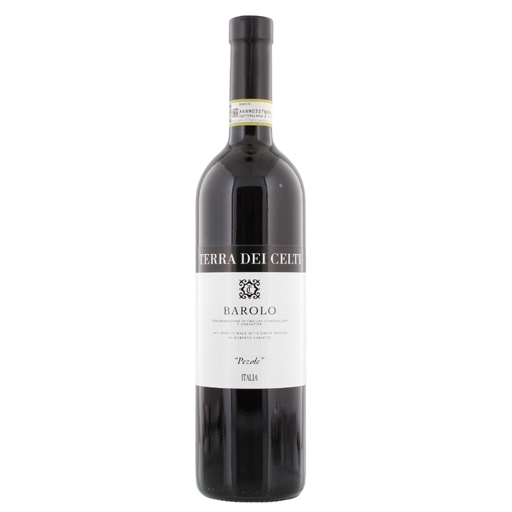
Why this wine is a great fit: For lovers of classic, age-worthy wines, this Barolo wine is an excellent choice. It represents the pinnacle of Italian winemaking and is perfect for special occasions or as a valuable gift.
The price here is justified not by marketing, but by the strict DOCG regulations. The seal guarantees origin, grape variety (100% Nebbiolo), and a long ageing period, which objectively substantiates its high quality.
A complex bouquet with intense fruit and spice notes; a powerful structure with firm tannins that allow for long-term ageing potential.
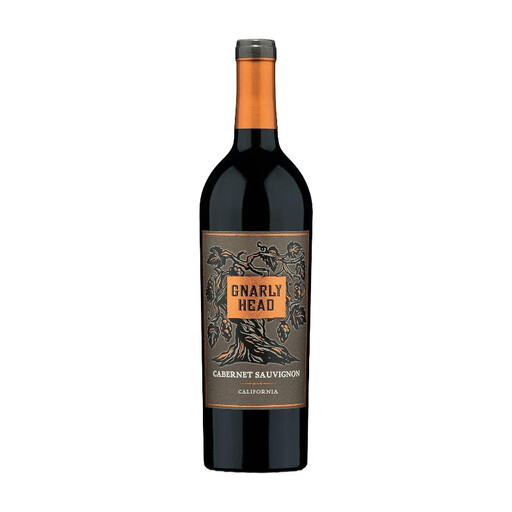
Why this wine is a great fit: This Zinfandel from California is a prime example of an opulent, powerful red wine. It comes from "Old Vines," which naturally produce fewer but more concentrated grapes. Ideal for a barbecue or with a hearty stew.
The "Old Vine" designation here is not an empty promise but a direct indicator of the source of its intense flavour. The focus is on the agricultural characteristic of the old vines, not on a vague promise of prestige.
Robust aromas of blackberry jam, mocha, and vanilla; a full body with balanced toasty notes from ageing in oak barrels.
We have compiled a complete, up-to-date list of products that meet these strict selection criteria and quality standards.
Once opened, a bottle of red wine should be tightly resealed and stored in a cool, dark place—ideally in the refrigerator. This slows down oxidation. Most red wines will last for 2 to 3 days this way without a significant loss of quality. A vacuum sealer can extend its shelf life even further.
A dry red wine contains only a small amount of residual sugar. According to EU law, a wine can be labelled "dry" if its residual sugar content does not exceed 4 grams per litre. Under certain conditions (with sufficiently high acidity), up to 9 grams per litre are permitted. Therefore, dry does not mean sour, but simply that the wine has no perceptible sweetness.
The optimal serving temperature depends on the type of wine. Light, fruity red wines like a young Sp?tburgunder or Trollinger taste best slightly chilled at 14–16°C (57–61°F). Bold and tannic wines like Cabernet Sauvignon, Barolo wine, or a bold red wine from overseas develop their aromas best at 16–18°C (61–64°F). A temperature that is too high will make the alcohol more prominent and cause the aromas to flatten.