
Lieferung heute & morgen

Qualitätsgarantie

Willkommens-Angebote freischalten: KOSTENLOSE Lieferung | Bis zu 80 % RABATT | Kostenlose 30-Tage-JoyPlus-Testphase
App herunterladen
The search for the right red wine can quickly feel like navigating a maze. Anyone looking to order red wine online is faced with a flood of options, prestigious names, and alluring labels. However, not every promising term delivers on its promise. Before you make a decision, it's helpful to know the most common pitfalls that often lead to disappointment in the glass.
A common misconception is that an ornate label or a high price automatically guarantees high quality. Terms like "Riserva," "Gran Reserva," or "Cuvée Prestige" are not strictly regulated in all wine regions and can sometimes be more marketing than substance. Another point is focusing solely on famous growing regions. Not all Chianti is created equal; the quality depends significantly on the individual winemaker and their craft. Those who buy blindly based on a big name may be paying for the region's reputation, not for the actual quality in the glass.
To make an informed decision that suits your taste and budget, you should focus on a few objective criteria. These will help you separate the wheat from the chaff and find a wine that truly delivers.
A wine's quality level is often a more reliable indicator than flowery descriptions. These seals guarantee that the wine was produced according to set rules within a specific geographical area.
These classifications are not a guarantee of a taste that you will personally enjoy, but they are a strong indicator of a controlled and traditional production method.
The grape variety is the most important factor determining a wine's fundamental character. Instead of being guided by fantasy names, orient yourself by the typical profiles of the most common varieties:
The term dry red wine is also clearly defined. In the EU, this means the wine has a residual sugar content of no more than 9 grams per litre. It therefore does not taste sweet, which should not be confused with "sour" or "tart."
For many buyers today, sustainable aspects or the absence of alcohol also play a role.
Based on these objective criteria, we have selected a few wines from our range that are a suitable choice for different profiles and occasions.
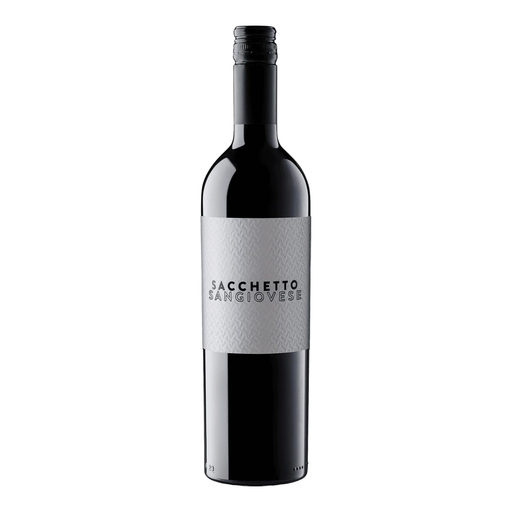
Why This Fits Their Persona: Ideal for effortless everyday enjoyment. This wine offers a clean, fruit-forward profile typical of the Sangiovese grape, without the intimidating complexity of oak ageing or a high price tag. Perfect for pasta, pizza, or just on its own.
This wine focuses on pure varietal flavour rather than expensive appellation marketing. The IGT status (Indicazione Geografica Tipica) signifies a solid country wine that delivers quality without the price premium of a DOCG.
Balanced fruitiness and fresh acidity. The convenient screw cap highlights its straightforward character, making it a reliable companion for many occasions.
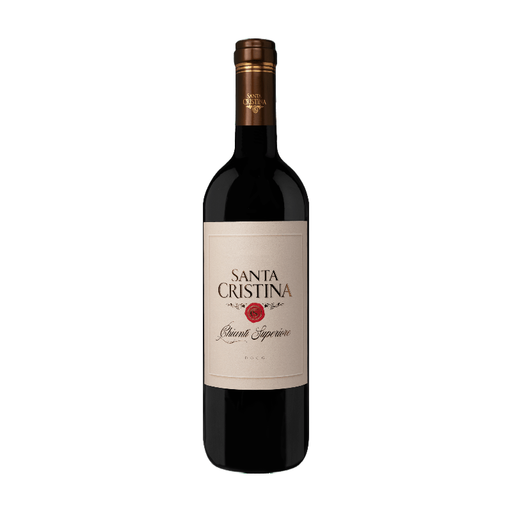
Why This Fits Their Persona: For those seeking the authentic taste of Tuscany. This wine embodies the classic Chianti style and offers the assurance of a high quality-tier, making it ideal for traditional Italian dishes.
The classification as Chianti Superiore DOCG is the highest in Italy and guarantees adherence to strict production regulations. Here, you're not just paying for the name, but for a certified and guaranteed origin and quality.
Offers a classic flavour profile with aromas of red fruits, vanilla, and velvety tannins. A representative wine that captures the essence of Tuscany.
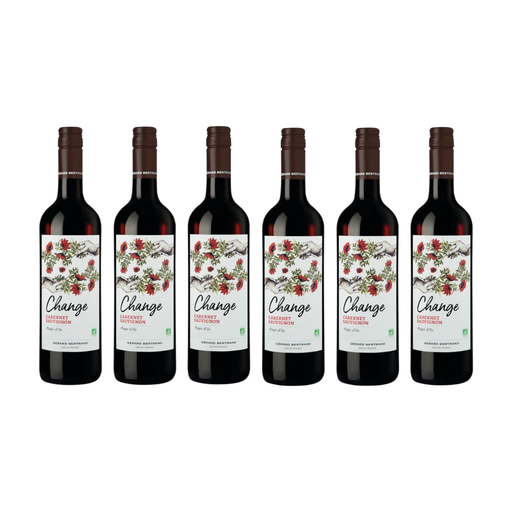
Why This Fits Their Persona: This wine combines the pleasure of a robust *Cabernet Sauvignon* from the South of France with a verifiably sustainable approach. It is aimed at buyers who value ecological production.
Instead of relying on vague "nature-friendly" promises, this wine features a transparent FR-BIO-01 seal. The Gérard Bertrand brand is renowned for its commitment to biodynamic viticulture, which underpins the credibility of its sustainable claim.
An *organic red wine* produced according to strict ecological guidelines. The winemaker's commitment to biodynamics often results in exceptional expressiveness and a clear fruit profile.
We've curated a complete, up-to-date list of products that fully meet these strict selection criteria.
After delivery, red wine should be stored in a cool, dark place with a constant temperature, ideally between 12°C and 18°C (54°F and 64°F). Bottles with natural corks should be stored on their side to keep the cork moist and prevent it from drying out. Wines with screw caps can also be stored upright. Avoid direct sunlight and significant temperature fluctuations.
A wine declared as "dry" has a legally defined low residual sugar content. In the EU, this limit for still wines is a maximum of 9 grams per litre. The term, therefore, only describes the level of sweetness and is not an indicator of acidity or tannin content. A dry wine can thus taste very fruity and smooth.
Choosing an organic red wine is primarily a decision for sustainable and environmentally friendly agriculture. Many winemakers believe that healthy, living soils lead to more expressive grapes and thus more characterful wines. Whether this pays off for you personally in terms of taste is subjective, but you are investing in a production method geared towards preserving nature.