
Lieferung heute & morgen

Qualitätsgarantie

Willkommens-Angebote freischalten: KOSTENLOSE Lieferung | Bis zu 80 % RABATT | Kostenlose 30-Tage-JoyPlus-Testphase
App herunterladen
For anyone wanting to experience authentic Asian cuisine at home, one ingredient is nearly indispensable: rice wine. Yet, the search for the right rice wine can quickly become overwhelming. The shelves are filled with bottles whose labels often raise more questions than they answer. The result is frequently a poor choice that either misses the mark flavour-wise in a dish or disappoints as a beverage.
This guide will help you navigate the most common pitfalls. We focus on the objective characteristics that truly matter, enabling you to make an informed decision—free from marketing hype.
The Wrong Wine for the Wrong Purpose: The most frequent error is confusing cooking wine with drinking wine. Many people grab a product labelled "Rice Wine," assuming it's a light, sweetish drink, only to find they've bought a salty, robust cooking wine meant for preparing food. Conversely, using an expensive, delicate drinking wine in a stew can be a waste, as its subtle aromas will be overpowered by intense spices.
Misleading Labels and Unclear Origins: The term "rice wine" is a broad category, encompassing everything from Chinese Shaoxing wine and milky, cloudy Korean rice wine (Makgeolli) to high-proof Chinese spirits. Without a basic understanding of the different types, it's almost impossible to identify the product you're looking for.
To make the right choice, you should check two or three core features. These will help you quickly and objectively classify any product.
The most important distinction is the intended use. The composition and flavour profile differ fundamentally.
Cooking Wine (e.g., Shaoxing Wine): These wines are specifically designed for the kitchen. They are used to add depth and a complex aroma to dishes and to neutralise unwanted odours (e.g., in fish or meat). Many cooking wines, like the Luhua Natural Aromatic Cooking Rice Wine, contain salt and spices. Their flavour is strong, earthy, and not intended for drinking neat. The alcohol content typically ranges from 14% to 20%.
Drinking Wines and Spirits: This category is diverse. It includes light, often sweet rice wine with a low alcohol content that serves as a dessert wine, as well as fermented beverages like Makgeolli. At the other end of the spectrum are clear, high-proof Asian spirits made from rice, which are enjoyed neat or in mixed drinks.
The origin often provides the crucial clue to the product's character.
A look at the ingredients list and the alcohol content is essential. Products consisting only of rice, water, and yeast are often purer in taste. Additives such as salt, caramel colour, or spices indicate a cooking wine. The alcohol content is a clear indicator: below 10% ABV, it's usually a light drinking wine or Makgeolli; between 14% and 20% ABV, it's often Shaoxing wine; and over 40% ABV, it's a distilled spirit.
Here are some recommendations tailored to specific needs and use cases.
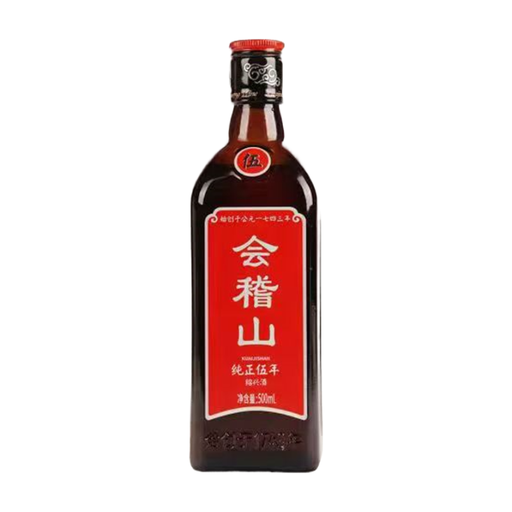
Why This Fits Their Persona: Ideal for cooks who want to prepare authentic Chinese dishes like "Hong Shao Rou" (red-braised pork) and are looking for a cooking wine that delivers depth and complexity, not just saltiness.
The clear labelling as "Aged Shaoxing Wine" and its traditional ingredients (water from Jianhu Lake, glutinous rice, wheat) prevent it from being mistaken for a light drinking wine.
The five-year ageing process creates a concentrated aroma and a smooth flavour. It is classified as "Superior Grade" according to the Chinese National Standard GB/T17946.
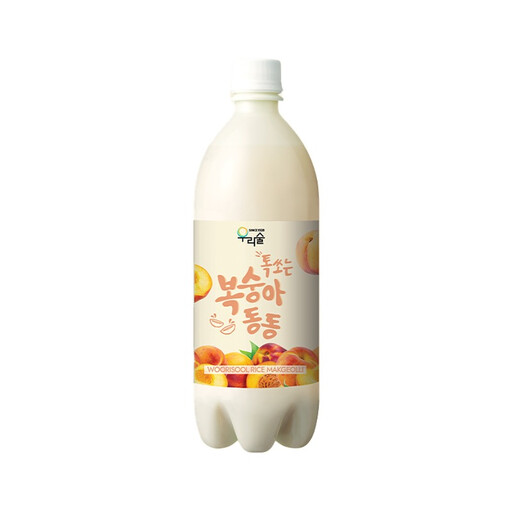
Why This Fits Their Persona: Perfect for anyone looking to explore Asian beverages but who may be hesitant about strong or unfamiliar flavours. A light, fruity, and approachable option for social evenings.
Being clearly named "Makgeolli Peach" with only 3% ABV prevents any confusion with a strong spirit or a salty cooking wine.
A very low alcohol content and natural peach notes make it a refreshing drink. The milky texture is characteristic of authentic Korean makgeolli.
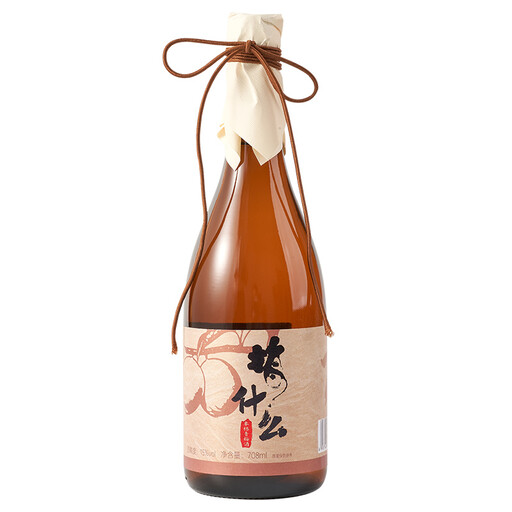
Why This Fits Their Persona: For connoisseurs who appreciate a sweet yet balanced liqueur as an aperitif, digestif, or chilled on a summer evening. An alternative to European plum liqueurs with an Asian twist.
The "Plum Liquor" designation makes it clear that this is a sweet, fruity beverage, not a dry or salty rice wine intended for cooking.
Made without any added colours or flavourings. Whole green plums are fermented for 365 days, resulting in a rich fruit aroma and a balanced sweet-sour profile.
We have compiled a complete, up-to-date list of products that meet these strict selection criteria.
Although both are made from fermented rice, there are significant differences. Shaoxing wine is from China, often includes wheat in its fermentation, and is primarily used as a seasoning in Chinese cuisine or consumed as a traditional, warmed beverage. Sake is Japanese, brewed exclusively from rice, water, yeast, and koji (a specific mould), and has a broader flavour spectrum, ranging from dry to sweet. It is mostly enjoyed as a standalone drink.
Makgeolli should always be served well-chilled. Since the rice sediment settles at the bottom of the bottle, it's important to gently tilt or turn the bottle before opening (don't shake, as it contains carbonation) to achieve a homogeneous, milky consistency. It is traditionally drunk from small bowls and pairs excellently with savoury Korean dishes like pancakes (Pajeon) or spicy kimchi.
Theoretically, yes, but it's not always advisable. Using a sweet or flavoured drinking wine like peach Makgeolli can undesirably alter the taste of a savoury dish. Conversely, dedicated cooking wines are often salted and more concentrated, making them unsuitable for drinking neat but ideal for cooking. For authentic results, it is best to use a designated cooking wine like Shaoxing for Chinese dishes.