
Lieferung heute & morgen

Qualitätsgarantie

Willkommens-Angebote freischalten: KOSTENLOSE Lieferung | Bis zu 80 % RABATT | Kostenlose 30-Tage-JoyPlus-Testphase
App herunterladen
The search for the right Riesling can quickly feel like wandering through a daunting vineyard. Labels are filled with terms like "dry," "sweet," "Kabinett," or "Sp?tlese," and the sheer variety of growing regions and winemakers doesn't make the decision any easier. Many buyers, therefore, stick to familiar brands or are guided by appealing labels, only to find later that the wine doesn't suit their taste. This guide will help you understand the key criteria to make an informed choice and find the perfect Riesling for your occasion.
Before we turn to quality characteristics, it's helpful to know the most common misunderstandings that can lead to a purchase mistake.
To find a Riesling that meets your expectations, you should check three objective criteria on the label or in the product description.
These two values are the decisive indicators of a wine's flavour profile. They determine whether a wine is classified as dry, off-dry, or sweet.
The quality level provides information about the origin and ripeness of the grapes. For Riesling, two levels are particularly relevant:
The choice of packaging depends on the intended use.
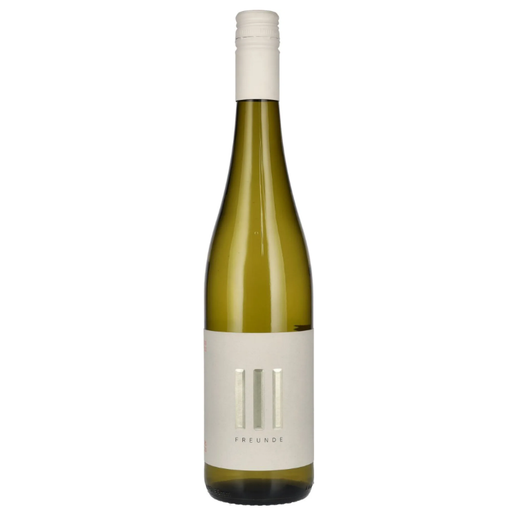
Why This Fits Their Persona: This wine was designed for uncomplicated enjoyment with friends. Its modern and accessible profile makes it the ideal choice for relaxed evenings, barbecues, or as a gift, without requiring any prior wine knowledge.
The product description provides clear values for residual sugar (8.7 g/l) and acidity (6.6 g/l). This tells you exactly that this "dry" wine has a pleasant fruitiness and is not bone-dry.
Balanced profile with aromas of peach and lime; convenient screw cap.
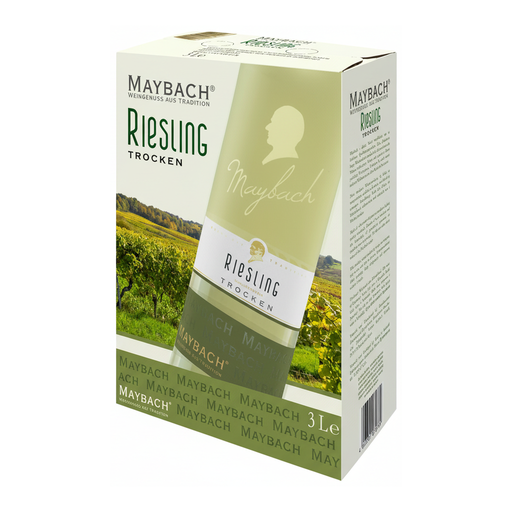
Why This Fits Their Persona: Ideal for anyone who wants to have a reliable white wine on hand for various occasions. The 3-litre bag-in-box is cost-effective and keeps the wine fresh for weeks after opening, perfect for occasional enjoyment without pressure.
This product bypasses the "growing region hype" pitfall. It offers a solid German Qualit?tswein that focuses on great value and practicality rather than the prestige of a single vineyard.
Long shelf life after opening; excellent value for money; convenient tap.
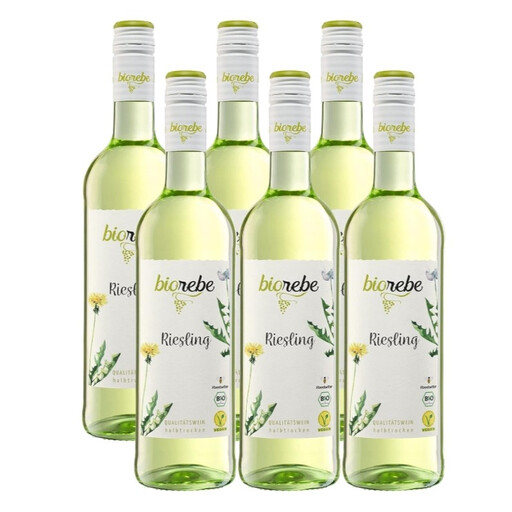
Why This Fits Their Persona: For consumers who value sustainability and a conscious diet. With its dual certification as an organic Riesling and a vegan wine, it meets the highest standards for ethical and ecological production.
It resolves the potential confusion between "organic" and "vegan" by explicitly meeting and being certified for both criteria. The "off-dry" designation is supported by clear aromas of peach and apple.
Certified organic according to EU guidelines; 100% vegan, as it is produced without animal-based fining agents.
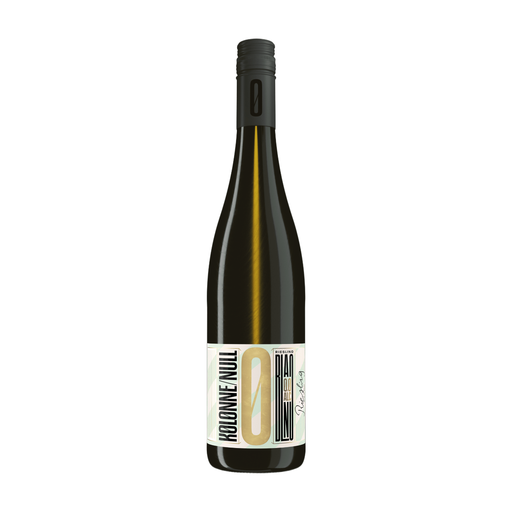
Why This Fits Their Persona: For anyone who wants to enjoy the characteristic taste of Riesling without the alcohol. This non-alcoholic Riesling is a stylish alternative for designated drivers, pregnant women, or health-conscious individuals.
It avoids the pitfall of non-alcoholic wines often tasting like grape juice. A gentle vacuum dealcoholisation process preserves the typical Riesling aromas and mineral structure.
0.0% alcohol with a full flavour profile; low in calories; made from organically grown grapes.
We've compiled a complete, up-to-date list of products that fully meet these strict selection criteria and German regulations.
An opened bottle of Riesling should be tightly resealed and stored in the refrigerator. A dry, high-acid Riesling will last for about 3 to 5 days. Sweet or off-sweet Rieslings can often stay fresh for up to a week due to the higher sugar content, which acts as a preservative.
"Qualit?tswein" (or in full: Qualit?tswein bestimmter Anbaugebiete, Q.b.A.) is an official classification in Germany. It guarantees that the grapes are 100% from one of the 13 legally defined German growing regions and have reached a specific minimum ripeness level. It is a reliable seal for a solid, regionally typical wine.
Yes, the market for non-alcoholic wines has evolved significantly. Modern production methods like vacuum distillation allow for the gentle removal of alcohol from the wine, preserving much of the original aromas and the typical character of the grape variety. Products like Kolonne Null Riesling are examples of high-quality, non-alcoholic alternatives that are much more than just grape juice.