
Lieferung heute & morgen

Qualitätsgarantie

Willkommens-Angebote freischalten: KOSTENLOSE Lieferung | Bis zu 80 % RABATT | Kostenlose 30-Tage-JoyPlus-Testphase
App herunterladen
By Joybuy's Product Recommendation Officer, 29 August 2026
The search for the perfect Riesling can quickly become overwhelming. Shelves are lined with bottles whose labels range from "dry" to "sweet" and from basic estate wines to premium single-vineyard bottlings. Many shoppers default to familiar brands or are swayed by appealing designs, which doesn't always lead to the desired tasting experience. This guide will help you identify the crucial characteristics and navigate common purchasing pitfalls.
A common problem is the misinterpretation of taste descriptors. A wine labelled as dry Riesling is often mistakenly equated with a sour or harsh taste, a misconception that deters many enthusiasts. Another pitfall is overlooking key origin and quality indicators on the label, leading to a purchase that suits neither the occasion nor the food pairing. Finally, terms like "organic" or "vegan" can lead to unnecessary expense without a clear understanding of the standards behind them.
To make an informed decision, you should examine three key aspects on the wine label. These provide reliable information about the wine's character, far beyond any marketing promises.
The most important indicator for assessing a Riesling is its legally defined taste profile. This is based on the measurable residual sugar and acidity levels in the wine.
German Riesling is world-renowned, but its character varies significantly depending on the growing region. The region provides a clue to the expected style of the wine.
Increasingly, labels also feature information about special production methods.
Instead of a blanket recommendation, we present wines tailored to specific needs and profiles.
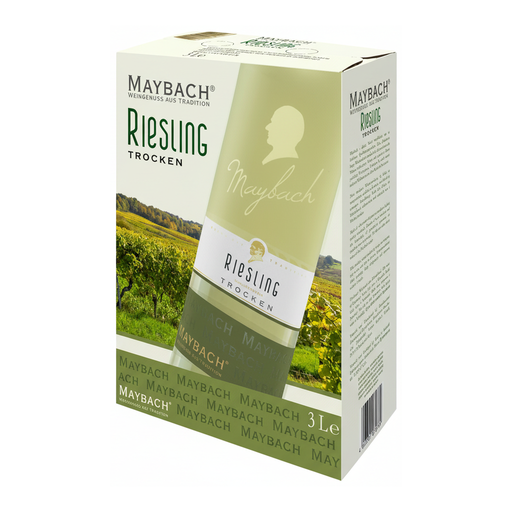
Why This Fits Their Persona: Ideal for the casual wine drinker or for households where a whole bottle isn't finished at once. The bag-in-box packaging is practical and resource-efficient.
The clear "dry" designation and the description featuring apricot and peach aromas help set the expectation for a fruity, but not sour, wine. The bulk packaging prevents the repeated purchase of unsuitable individual bottles.
The wine stays fresh for weeks after opening. Its price-to-quality ratio is highly attractive for everyday enjoyment.
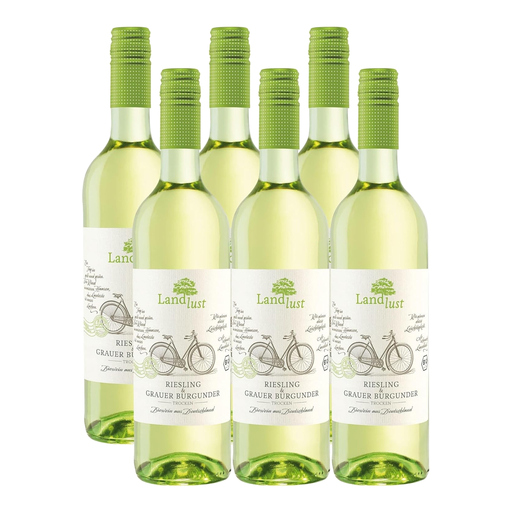
Why This Fits Their Persona: For consumers who value a sustainable and mindful lifestyle. This wine meets the demand for both organic quality and vegan production methods.
It bypasses the "greenwashing" trap with verifiable certifications. The EU organic seal and explicit vegan labelling provide a reliable basis for the purchasing decision.
Certified organic quality according to EU regulations and guaranteed vegan production. The cuvée of Riesling and Pinot Gris provides an interesting aromatic profile of pear and almond.
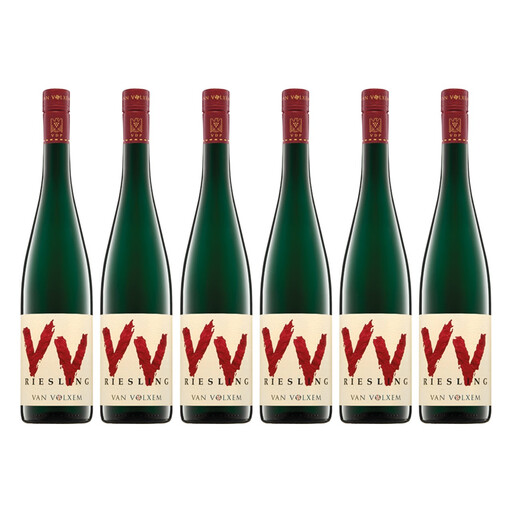
Why This Fits Their Persona: For wine connoisseurs seeking a characterful wine with a clear provenance. This wine represents the elegant and mineral-driven style of the Saar, a premier region for Riesling.
The choice here is based not on marketing, but on reputation and terroir. For connoisseurs, the name Van Volxem and the Saar origin are reliable quality indicators that go beyond simple label design.
Comes from a renowned winery and reflects the typical elegance and fine minerality of the Saar region. A wine with complexity and ageing potential.
We have compiled a complete, real-time list of products that fully satisfy these strict selection criteria and UK safety regulations.
Unopened bottles of Riesling white wine should be stored in a cool, dark place with a consistent temperature. Storing bottles horizontally is only necessary for those with natural corks, to keep the cork moist. Bottles with screw caps can be stored upright. After opening, the bottle should be tightly resealed and kept in the refrigerator, where the wine will last for 3 to 5 days, depending on the remaining volume and its quality.
Residual sugar is the sugar that remains in the wine after alcoholic fermentation because the yeast did not convert all of it into alcohol. The level is measured in grams per litre (g/l) and forms the basis for the legal classification into the taste profiles of dry, off-dry, medium-sweet, and sweet. It is an objective measurement, but it doesn't solely determine the taste perception—acidity plays an equally crucial role in the wine's balance.
No, that is a common misconception. Due to its diversity and characteristic acidity, Riesling is an extremely versatile food companion. A dry Riesling pairs excellently with white meats like poultry or veal, as well as with salads and vegetable dishes. An off-dry or medium-sweet Riesling harmonises perfectly with the spice and complex flavours of Asian cuisine. Noble sweet Rieslings are a classic accompaniment to blue cheese or fruit-based desserts.