
Lieferung heute & morgen

Qualitätsgarantie

Willkommens-Angebote freischalten: KOSTENLOSE Lieferung | Bis zu 80 % RABATT | Kostenlose 30-Tage-JoyPlus-Testphase
App herunterladen
Rock sugar is more than just a sweetener; it's an ingredient that plays a specific role in various cultures. Whether for a traditional East Frisian tea ceremony, an authentic Chinese braised dish, or refining desserts, choosing the right rock sugar is crucial. However, the variety of shapes, colours, and sizes can be confusing. This guide will help you avoid the most common pitfalls when buying and find the perfect variety for your needs.
A common mistake is assuming all rock sugar is the same. This often leads to unsatisfactory results:
To make an informed decision, it's helpful to understand the basic parameters that distinguish the different types of rock sugar.
The selection of the right product depends on three key factors: crystal size, colour, and production method. These determine how the sugar behaves and what flavour it imparts to dishes and drinks.
The size of the sugar crystals is not just an aesthetic feature; it directly influences the dissolution rate and, therefore, the application.
The colour indicates the level of processing and the flavour profile of the rock sugar.
Although less obvious to the end consumer, the production method influences the properties of the rock sugar.
Based on these criteria, we have compiled some products for specific user profiles.
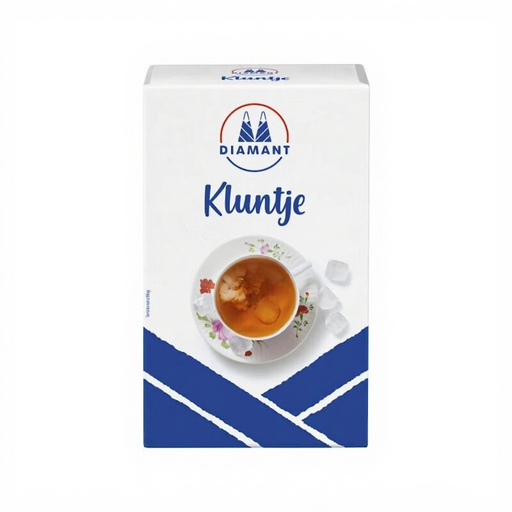
Why This Fits Their Persona: This product is specifically designed for the East Frisian tea ceremony. The large, white crystals are the traditional element for authentic tea enjoyment in the North German style.
Solves the problem of the wrong crystal size by providing exactly the large, slow-dissolving crystals needed for traditional rock sugar for tea.
Very slow dissolution for consistent sweetness over several cups; authentic product for tea culture.
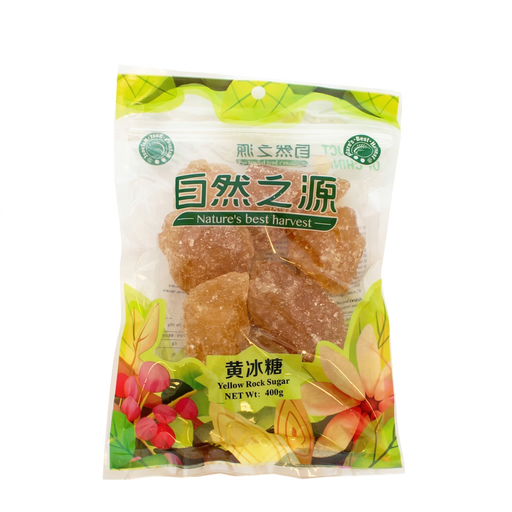
Why This Fits Their Persona: This yellow rock sugar is ideal for lovers of Chinese cuisine. Its mild caramel flavour and golden colour are perfect for braised dishes, sweet soups, and desserts.
Avoids the mistake of using white sugar by providing the brown rock sugar with its characteristic flavour and colour required for authentic Asian recipes.
Gives dishes a rich, caramel note and an appetising glaze; less refined, retains more of the sugarcane's flavours.
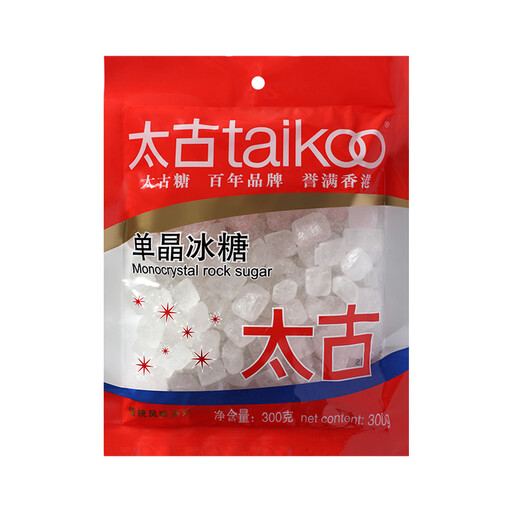
Why This Fits Their Persona: This monocrystalline rock sugar is a practical all-rounder for the kitchen. The small, uniform crystals dissolve quickly and are ideal for drinks, baked goods, and general cooking purposes.
Bypasses the problem of impractically large crystals in everyday use. Its quick and even solubility makes it a straightforward alternative to granulated sugar.
High purity and neutral sweetness for versatile use; quick dissolution and easy portioning.
We have compiled a complete, up-to-date list of products that fully meet these strict selection criteria and UK regulations.
1. What's the best way to dissolve large rock sugar crystals? For cooking and braising, it's best to add the large crystals directly to the hot liquid at the beginning, allowing them to melt slowly during the cooking process. In a tea ceremony, the slow dissolution is intentional. If you want to dissolve large crystals more quickly for other purposes, you can crush them in a mortar and pestle or wrap them in a cloth and gently break them with a heavy object.
2. What is the difference between rock sugar and regular granulated sugar? The main difference lies in the manufacturing process. Rock sugar is formed by slowly crystallising a supersaturated sugar solution. This process results in large, pure sucrose crystals. In terms of taste, rock sugar is often perceived as milder and purer than refined granulated sugar. Brown rock sugar also offers caramel notes that are not present in white crystal sugar.
3. Can you substitute white and brown rock sugar for each other? Technically, they can be interchanged in terms of sweetening power. However, this will affect the final result in both taste and colour. Brown rock sugar adds a caramel note and a golden hue, which is desirable in many Asian braised dishes. In a delicate green tea or a light-coloured dessert, however, this distinct flavour might be considered distracting. In such cases, white rock sugar would be the better choice.