
Lieferung heute & morgen

Qualitätsgarantie

Willkommens-Angebote freischalten: KOSTENLOSE Lieferung | Bis zu 80 % RABATT | Kostenlose 30-Tage-JoyPlus-Testphase
App herunterladen
As the days get longer and the temperatures rise, so does the craving for a refreshing glass of wine. Rosé, often hailed as the ideal summer rosé, is enjoying immense popularity. However, when buying online, vague descriptions and marketing hype can quickly lead to a disappointing choice. To help you find the perfect rosé for your taste and occasion, we've summarised the most common pitfalls and the key selection criteria.
Many buyers rely on labels or ambiguous promises, which often results in an unsuitable wine experience. You should consider these three points to make an informed decision.
To buy the right rosé wine, you should focus on objective criteria. These three parameters will help you separate the wheat from the chaff.
The most important information on the label is the style, which is determined by the residual sugar content.
The region and the grapes used significantly shape the style of the rosé.
For everyday enjoyment or stocking up for a party, a rosé wine case of six bottles is an economical and practical solution. For special moments like birthdays or anniversaries, a sparkling rosé or Cava is an excellent choice, creating a festive atmosphere with its fine bubbles.
Here are some recommendations tailored to different profiles and needs.
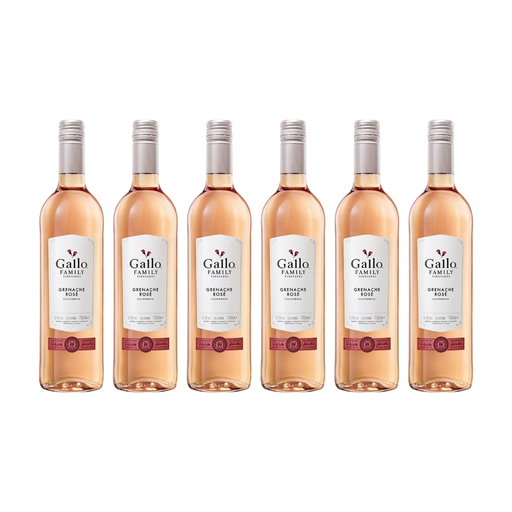
Why it's a great fit: Ideal for social gatherings and anyone who prefers an uncomplicated, sweet rosé. The aromas of fresh strawberries and flowers make it an accessible wine for casual occasions.
This product is clearly declared as sweet, thus meeting the expectation of a sweet wine without falling into the fruity vs. sweet trap.
The wine is delivered in a practical case of 6, which is ideal for stocking up or for parties.
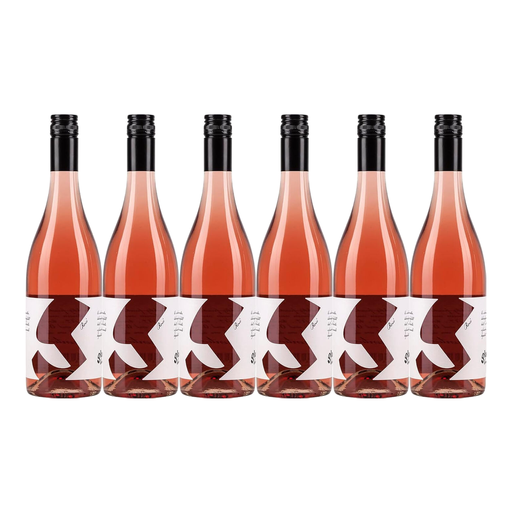
Why it's a great fit: For those who seek a dry, fresh rosé with character. The combination of Blaufr?nkisch and St. Laurent from Austria offers a vibrant taste experience with crisp fruit and an animating acidity.
This wine debunks the provenance myth, showing that first-class rosé is also produced outside of France. The organic certification (AT-BIO-402) is an additional, objective quality feature.
The wine is classified as dry and, according to the producer, is suitable as an aperitif or as an accompaniment to hearty snack platters.
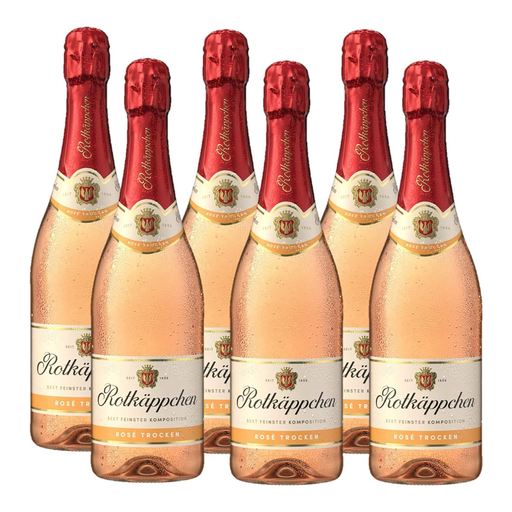
Why it's a great fit: A classic German sparkling rosé that is perfect for celebrations, birthdays, or as a stylish aperitif. Its fine bubbles and dry character make it an elegant choice.
This product is specifically designed for the right occasion. Instead of a still wine, this sparkling wine provides the appropriate festive touch, thus avoiding an unsuitable choice for celebrations.
The sparkling wine is classified as dry and, according to the producer, offers a balanced flavour profile with notes of strawberries. The case of 6 is practical for larger groups.
1. How long does rosé wine last after opening? After opening, a bottle of rosé wine should be tightly resealed and stored in the refrigerator. This will keep it fresh for about 3 to 5 days. A sparkling rosé should be sealed with a special sparkling wine stopper and consumed within 1 to 2 days to prevent the carbonation from escaping.
2. What is the best temperature to serve rosé wine? The ideal serving temperature for most rosé wines is between 8 and 10°C. A wine that is too warm can seem alcoholic and heavy, while one that is too cold cannot fully develop its aromas. Light, crisp rosés and sparkling rosés can also be enjoyed slightly cooler at 6–8°C.
3. Does rosé only pair with light summer dishes? No, the diversity of rosé wines allows for numerous pairings. While light, dry rosés are excellent with salads, fish, and seafood, more powerful and structured rosés, such as those made from Pinot Noir or Sangiovese, can also accompany grilled poultry, pork, or even spicy Asian dishes.