
Lieferung heute & morgen

Qualitätsgarantie

Willkommens-Angebote freischalten: KOSTENLOSE Lieferung | Bis zu 80 % RABATT | Kostenlose 30-Tage-JoyPlus-Testphase
App herunterladen
A rug should suit the room, feel comfortable underfoot and be easy to care for day to day. However, eye-catching product images and unclear specifications often lead to unsuitable purchases. Three common pitfalls are particularly important:
Choosing rugs according to their intended use, material and size makes it easier to combine decorative appeal with everyday practicality.
Measure the available floor space and take furniture, doors and radiators into account. Common sizes such as a 120 x 170 cm rug are suitable for smaller seating areas, bedside spaces or reading corners, for example. A 160 x 230 cm rug can cover more floor beneath a sofa or table, but requires sufficient clearance from walls and walkways.
Narrow runners are a sensible choice for hallways. In the kitchen, a non-slip kitchen runner should not only be the right length, but also be positioned so that cupboard doors and drawers can open freely. A doormat is suitable for an entrance area and should be placed on a dry, level surface.
The material affects the feel, care requirements and visual appeal:
A high-pile rug traps more dust between its fibres than a low-pile rug. For households with pets, allergy sensitivities or frequent crumbs, a low pile may be easier to clean. This is not a statement about medical suitability, but a practical consideration for everyday care.
Pay attention to the stated overall thickness. A dense or high pile can feel comfortable, but may cause problems with doors and furniture. On smooth floors, check whether the rug has a non-slip coating. If it does not, a suitable rug underlay may be necessary.
Cleaning requirements can also vary considerably: some models may only be spot-cleaned with a damp cloth, while others can be shaken out or vacuumed regularly. Machine washing and tumble drying are only permitted when this is expressly stated in the product description.
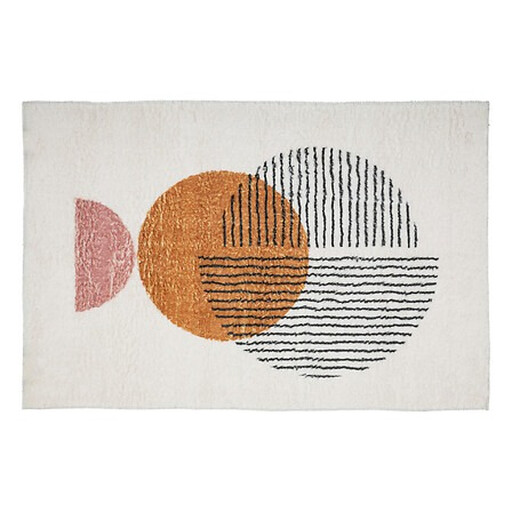
Why this product suits this profile: The compact size is ideal for smaller accent areas, such as beside the bed, in a children’s room or in a reading corner. It is available in a choice of colour patterns.
The stated dimensions of 90 x 60 cm reduce the risk of overwhelming a small room with a rug that is too large. According to the product description, it should be spot-cleaned with a mild cleaning product and damp cloth.
Polyester surface, felt backing, low product weight of 0.72 kg and easy movement between rooms.
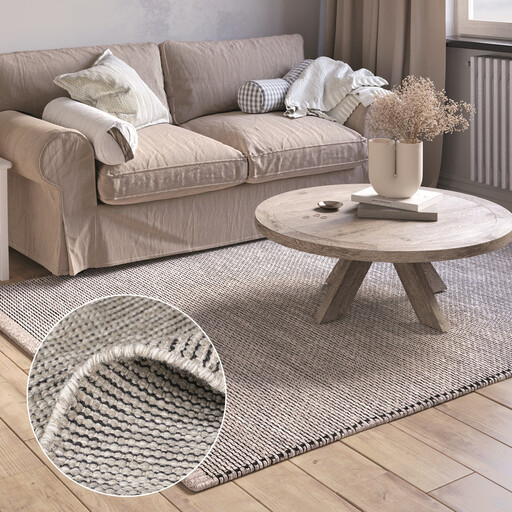
Why this product suits this profile: This handwoven wool rug combines a 120 x 170 cm size with a cream-and-black colour scheme and a natural material.
The material and weaving technique are clearly stated. This makes it easier to base your decision on the feel, care requirements and look you want, rather than on promotional images alone.
Wool, handwoven texture, approximately 1 cm thick and a net weight of 5 kg. According to the description, it should be cared for by vacuuming or shaking out.
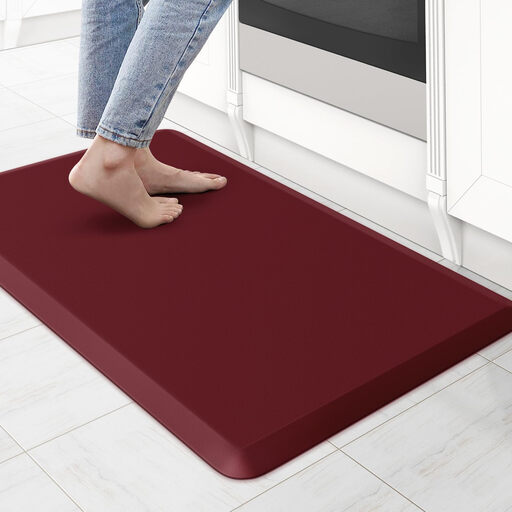
Why this product suits this profile: This mat is designed for standing for longer periods at a desk, in the kitchen, garage or workshop, making it clearly different from a traditional living room rug.
The product description explicitly states the intended location, dimensions and thickness. This helps avoid confusing a decorative mat with a full-size rug.
0.47-inch thickness, micro-textured non-slip surface and material described as water- and stain-resistant according to the product description.
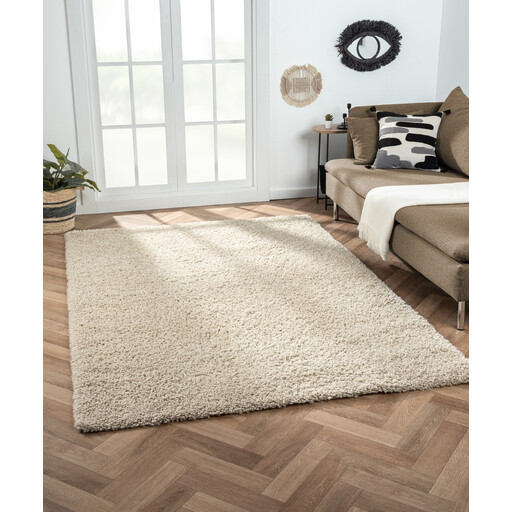
Why this product suits this profile: This large shaggy polypropylene rug is designed for living areas, teenagers’ rooms or spaces with enough room for a high pile.
The dimensions of 230 x 160 cm and stated depth of 4 cm make the space required clear. Before buying, check doors, furniture clearance and vacuum cleaner height.
Generous size, 4 cm product depth, polypropylene and, according to the product description, suitability for rooms with underfloor heating.
We have put together a complete, regularly updated list of products that fully meet these strict selection criteria and the safety regulations applicable in the EU.
A few simple measures can help rugs retain their shape and surface for as long as possible:
That depends on the room and furniture layout. A smaller size can sit in front of the sofa, while a larger model can at least accommodate the front feet of the furniture. Use masking tape to mark out the desired area on the floor before ordering.
As a rule, more dust and crumbs can collect between long fibres. A low-pile rug is often easier to vacuum and is therefore suitable for dining areas, hallways or workspaces. The actual care requirements depend on the material and the manufacturer’s instructions.
First, check whether the rug has a non-slip backing. If not, you can use a correctly sized rug underlay. The floor and underside must be clean and dry, and loose edges should not extend into walkways.