
Same-day & Next-day Delivery

Quality Guaranteed

Unlock Your Welcome Offers: FREE Delivery | Up to 80% OFF | Free 30-day JoyPlus trial
Download the APP
The selection of Japanese sake is constantly growing, and more people are looking to order and discover this traditional beverage online. However, the sheer variety of terms, classifications, and brands can quickly become overwhelming. Common misconceptions often lead to a purchase that doesn't meet expectations. This guide will help you understand the key characteristics and avoid typical pitfalls, so you can find the perfect sake for your taste and occasion.
A frequent mistake is confusing drinking sake with cooking sake (Ryorishu). Cooking sake is specifically designed for seasoning food and often contains salt and other additives, making it unsuitable for drinking. Another pitfall is assuming that a high price or a complex designation like Junmai Daiginjo automatically guarantees a flavor you'll personally enjoy. Without understanding the basic parameters, it's easy to pay for qualities you don't actually appreciate.
To make an informed decision, three core parameters are crucial. These define the character, quality, and intended use of a sake.
The classification indicates the ingredients and the brewing process. The most important distinction lies in the use of brewer's alcohol.
The Seimaibuai indicates what percentage of the original rice grain remains after polishing. The outer layers of the rice grain contain fats and proteins that can lead to undesirable off-flavors in the sake.
In addition to the main classifications, there are special types of sake developed for specific preferences:
Based on these criteria, we have curated a selection of products suitable for different user profiles and purposes.
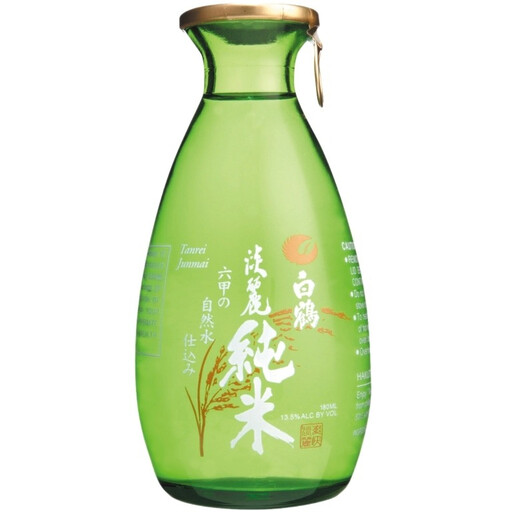
Why This Fits Their Persona: The small 180 ml bottle is ideal for trying sake without a major investment. As a classic Junmai, it offers an authentic taste experience and is versatile enough to be enjoyed both chilled and warm.
This product is a pure drinking sake, not a salty cooking sake. It provides a straightforward introduction to the world of Junmai sake without the confusion of complex premium categories.
Authentic Junmai sake. Can be served chilled or warm. Small tasting size.
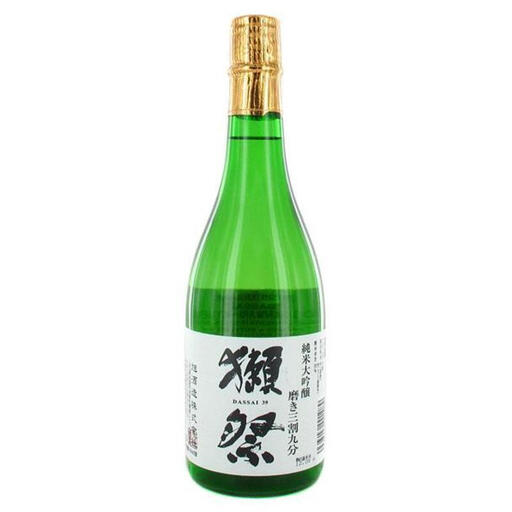
Why This Fits Their Persona: Anyone specifically looking for a refined and elegant tasting experience will find a premium-category product here. As a Junmai Daiginjo with a 39% polishing ratio, it meets the criteria for a high-quality, aromatic sake.
The value of this sake is based on verifiable facts: its classification as a Junmai Daiginjo and the low Seimaibuai of 39%. This is not an empty marketing claim, but a technical parameter that directly influences the product's finesse.
High polishing ratio for an elegant, fruity aroma profile. Renowned brand. Premium classification.
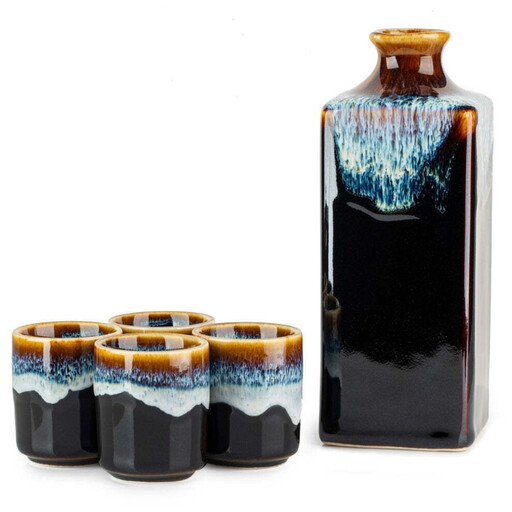
Why This Fits Their Persona: For a gift, presentation is key. This set includes a carafe and four cups in an attractive Sake Set Gift Box. It offers a complete experience and shows appreciation for Japanese drinking culture.
Instead of having to guess the recipient's taste, this Sake Set provides the proper accessories for enjoyment. It's a safe and stylish choice that can be paired with any sake.
Complete set in a gift box. Traditional Japanese design. Dishwasher and microwave safe.
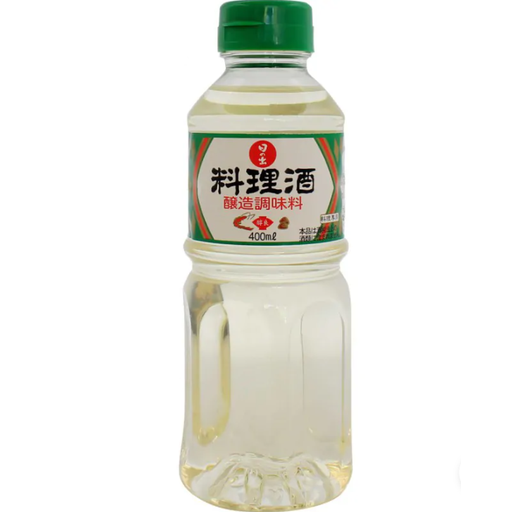
Why This Fits Their Persona: To prepare authentic Japanese dishes, you need the right ingredients. This cooking sake is specially formulated to round out the flavors of dishes like teriyaki, marinades, or soups.
This product prevents the common mistake of using expensive drinking sake for cooking, or vice versa. It is clearly labeled as cooking sake and, according to the ingredients list, contains salt, which underscores its purpose as a seasoning.
Specially formulated for cooking. Adds umami and depth to dishes. Convenient PET bottle.
We have compiled a complete, up-to-date list of products that fully meet these strict selection criteria and local regulations.
Opened sake should always be stored in the refrigerator and consumed within one to two weeks, as it reacts with air and loses its aroma. Unopened bottles, especially delicate types like Nama (unpasteurized) or Ginjo/Daiginjo, are best stored in a cool, dark place. Direct sunlight and high temperatures should always be avoided.
No, not every sake is suitable for warming. More robust and full-bodied Junmai or Honjozo sakes often develop pleasant new flavors when gently warmed (approx. 40–45 °C / 104-113 °F). Very delicate, aromatic sakes like Ginjo or Daiginjo, however, should be drunk chilled, as heat would destroy their subtle fruit and floral aromas. Always check the producer's recommendations on the bottle.
Sake is a specific type of Japanese rice wine. The term "rice wine" is a broader category that includes alcoholic beverages made from fermented rice from various Asian countries. Japanese sake is distinguished by its unique brewing process, which involves multiple parallel fermentation: starch is converted into sugar by the koji mold, while yeast simultaneously converts that sugar into alcohol. This results in a higher alcohol content and a more complex flavor profile than many other rice wines.