
Lieferung heute & morgen

Qualitätsgarantie

Willkommens-Angebote freischalten: KOSTENLOSE Lieferung | Bis zu 80 % RABATT | Kostenlose 30-Tage-JoyPlus-Testphase
App herunterladen
Anyone looking to buy sake online for the first time is often faced with a wall of Japanese terms and classifications. It's tempting to simply choose a bottle with an appealing label, but this often leads to disappointment. Certain marketing terms and unclear product descriptions can trick you into buying a sake that suits neither the occasion nor your personal taste.
This guide will help you recognise the crucial quality indicators and avoid common pitfalls. You'll be able to confidently find the right Japanese rice wine—whether for pure enjoyment, as a gift, or for cooking.
The selection of sake can be overwhelming. Many buyers fall into the same traps, which can be easily avoided with a little basic knowledge.
You don't need to be an expert to buy the right sake. Focus on two central characteristics that decisively determine its character and quality.
The classification is your most important guide. It provides information about the production method and the polishing ratio of the rice.
In addition to the clear sake varieties, there are other Japanese spirits that are often sought in the same context.
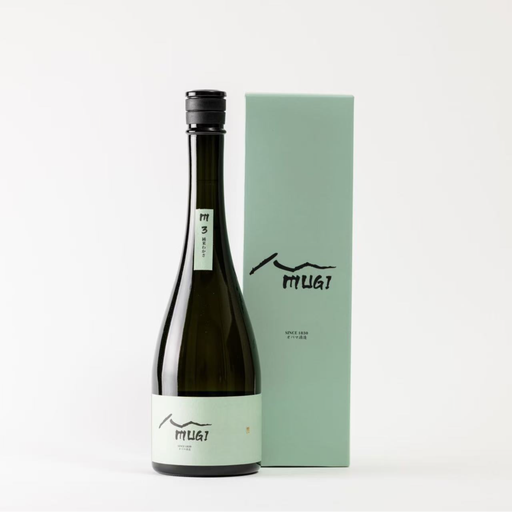
Why This Fits Their Persona: Ideal for beginners, as it is a pure Junmai sake that presents the authentic rice flavour without distractions. The small 300ml bottle is perfect for tasting without having to commit to a large bottle right away.
As a pure Junmai Sake, it avoids the trap of accidentally buying a sake with added alcohol. It offers a clear, unadulterated taste experience.
Made with Gohyakumangoku rice, known for light and refreshing sakes. The 65% polishing ratio ensures a clean taste.
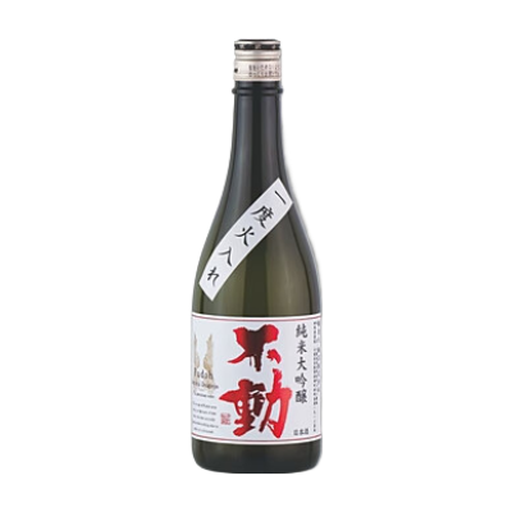
Why This Fits Their Persona: For connoisseurs who want to experience the pinnacle of sake brewing. As a Junmai Daiginjo, this product represents the highest quality level without added alcohol, offering an exceptionally complex and fragrant flavour profile.
The clear designation as Junmai Daiginjo immediately signals its premium quality and high rice polishing ratio, preventing any confusion with lower-grade sakes.
Represents the highest grade of sake. The elaborate brewing process with highly polished rice results in a particularly smooth, complex, and aromatic taste.
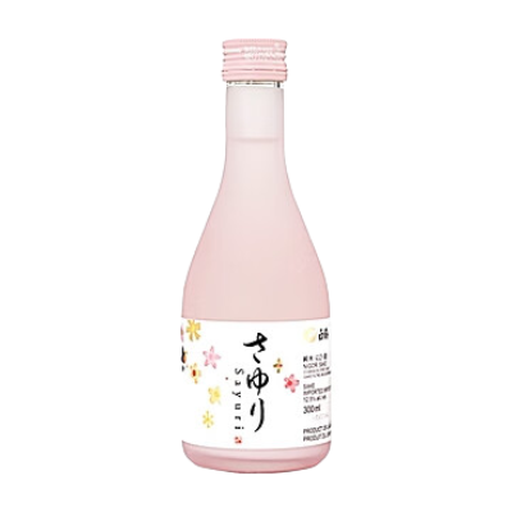
Why This Fits Their Persona: Perfect for anyone looking for a change from clear sake. This Nigori Sake offers a completely different mouthfeel and taste experience with its creamy texture and subtly sweet flavour.
The Nigori designation makes it immediately clear that this is an unfiltered, cloudy sake. This prevents buyers from accidentally receiving a cloudy sake when they were expecting a clear one.
Unique, creamy texture from fine rice particles. The subtly sweet and rich taste makes it an excellent dessert wine or aperitif.
We have compiled a complete, real-time list of products that fully satisfy these strict selection criteria and UK safety regulations.
Opened sake should always be stored in the refrigerator and consumed quickly, ideally within a week, as it rapidly loses its aroma. Unopened bottles, especially high-quality Ginjo and Daiginjo sakes, are best stored in a cool, dark place to protect their delicate aromas. Direct sunlight and high temperatures must be avoided at all costs.
Theoretically, yes, but it's not always practical. For cooking, there is special cooking sake (Ryorishu), such as the [ALC.]Mizkan cooking sake. This already contains salt and is not intended for drinking. It is a cost-effective and convenient option for adding umami and depth to dishes. Using an expensive Junmai Daiginjo for cooking would be a waste of its fine aromas, which are lost during heating.
Sake is a Japanese rice wine made by fermenting rice. Umeshu plum wine, like the Ozeki Yuzu Umeshu, on the other hand, is a liqueur. It is made by steeping Ume fruits in a base spirit. Sake is the result of a brewing process, while Umeshu is created through maceration (steeping). They differ fundamentally in production, taste, and use.