
Lieferung heute & morgen

Qualitätsgarantie

Willkommens-Angebote freischalten: KOSTENLOSE Lieferung | Bis zu 80 % RABATT | Kostenlose 30-Tage-JoyPlus-Testphase
App herunterladen
Whether you're buying Japanese sake for the first time or looking to expand your collection, the selection can be overwhelming. The labels are often in Japanese, and terms like "Junmai," "Daiginjo," or "polishing ratio" can be confusing. Many buyers fall into common traps that lead to an unsuitable choice and disappointment. As your Joybuy Product Recommendation Officer, I'll help you navigate these hurdles and find the perfect sake for your taste and occasion.
The most common mistakes when buying sake are easy to identify:
This guide will help you avoid these pitfalls and make an informed decision the next time you order sake online.
To find the right Japanese sake, it helps to understand three core parameters. These will give you clear guidance on quality, taste, and intended use.
The classification of premium sake (Tokutei Meishō-shu) is based mainly on two factors: the polishing ratio of the rice and the addition of brewer's alcohol.
Besides the grade, the style determines the sake's character.
The difference is fundamental. High-quality drinking sake is designed to be enjoyed on its own, whether chilled, at room temperature, or warmed. Cooking sake (Ryorishu, 料理酒), on the other hand, is a condiment. It typically contains salt (approx. 2–3%) and other ingredients to add depth and umami to dishes like teriyaki sauces or marinades. It is not meant for drinking.
Here are some recommendations tailored to different needs and preferences.
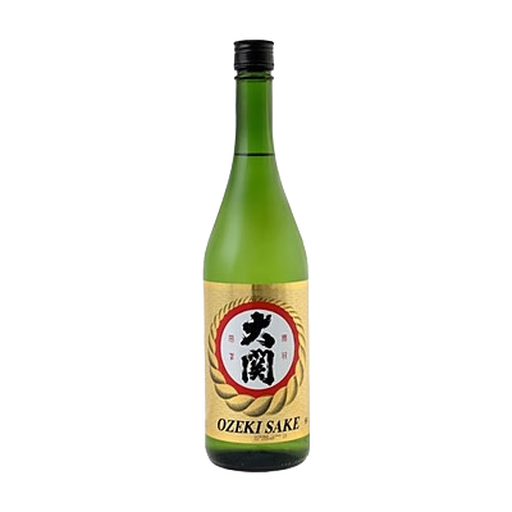
Why This Fits Their Persona: Ideal for anyone seeking a straightforward and authentic entry into the world of sake. This classic Junmai is versatile and pairs well with a variety of dishes, from sushi to grilled meats.
As a pure Junmai Sake, it is clearly declared as a high-quality drinking sake and contains no salt. Its classification makes it a safe choice for enjoyment.
Balanced, slightly dry profile. Can be enjoyed chilled, at room temperature, or warmed, making it highly flexible.
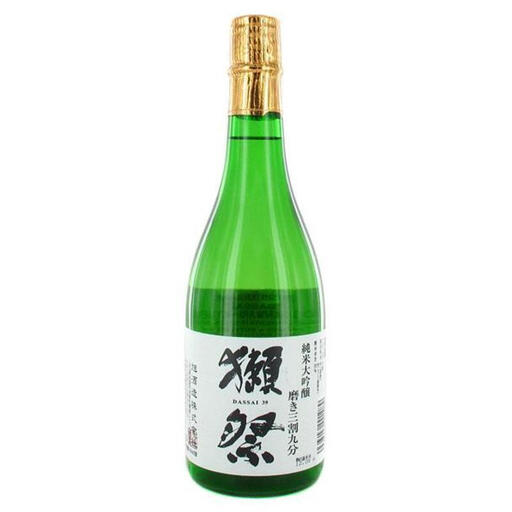
Why This Fits Their Persona: Perfect for special occasions, as a gift, or for seasoned enthusiasts who appreciate a refined and elegant sake. Dassai is an internationally recognised brand for supreme quality.
The "39" in the name represents the extremely high polishing ratio of 39%. This is a clear signal of its premium quality and prevents misinterpretation of the numbers on the label.
Exceptionally smooth and aromatic profile with notes of ripe melon. The finish is long, clean, and very satisfying.
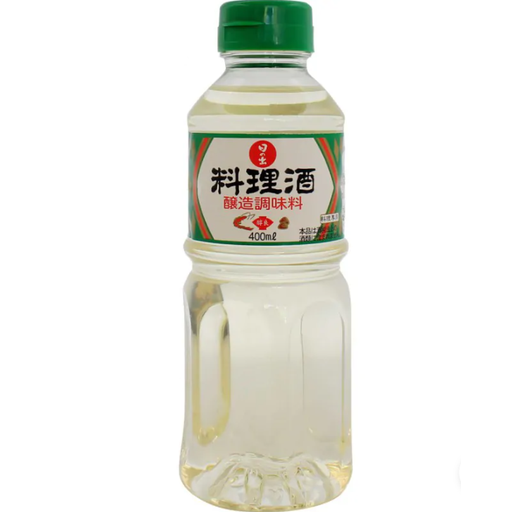
Why This Fits Their Persona: Essential for anyone who wants to prepare authentic Japanese dishes. This cooking sake is specially designed for seasoning marinades, sauces, and soups.
The clear labelling as Cooking Sake prevents confusion with drinking sake. The ingredient list, which specifies salt, confirms its purpose as a condiment.
Adds authentic umami depth to dishes and helps to tenderise meat and fish. A practical PET bottle makes it easy to handle in the kitchen.
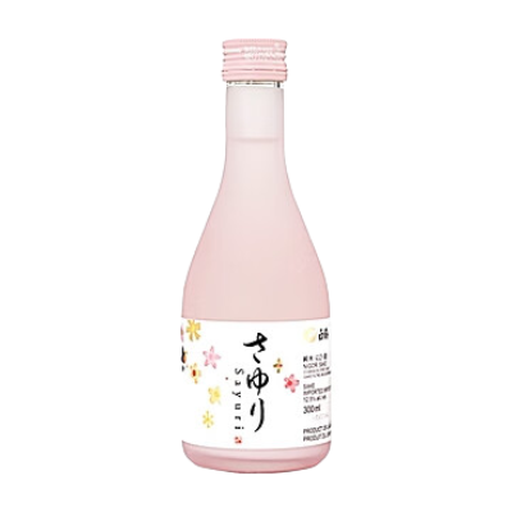
Why This Fits Their Persona: For the curious who want to try a traditional yet distinctive style of sake. The Nigori style offers a completely different mouthfeel and flavour experience.
The name "Nigori" and the characteristic cloudy liquid make it immediately clear that this is an unfiltered sake. This way, buyers know exactly what to expect.
Unique creamy texture with a subtly sweet and rich flavour. An authentic experience of traditional cloudy sake culture.
We've compiled a complete, up-to-date list of products that fully meet these strict selection criteria and UK regulations.
Proper storage is crucial for maintaining quality. Unopened bottles should be kept in a cool, dark place away from direct sunlight and temperature fluctuations. A cellar or a cool cupboard is ideal. Particularly delicate, unpasteurised sake types ("Nama") must be kept refrigerated at all times. After opening, every bottle of sake belongs in the refrigerator and should be consumed within a few days to a few weeks to preserve its fresh taste.
No, not every sake is suitable for warming. As a rule of thumb, full-bodied and earthy Junmai sakes often develop a pleasant, richer aroma when gently warmed (approx. 40–45°C). Very delicate and aromatic types like Ginjo and Daiginjo, on the other hand, lose their fine floral and fruity notes in the process. They are therefore almost always served chilled to be fully appreciated.
The polishing ratio (Seimai-buai) is one of the most important indicators of premium sake quality. It indicates what percentage of the original rice grain remains after polishing. For example, a polishing ratio of 60% means that 40% of the outer layers of the rice grain, which contain fats and proteins, have been removed. The lower the percentage, the more of the grain has been polished away and the purer the rice starch core used for fermentation. This generally results in a more delicate, complex, and aromatic sake.