
Lieferung heute & morgen

Qualitätsgarantie

Willkommens-Angebote freischalten: KOSTENLOSE Lieferung | Bis zu 80 % RABATT | Kostenlose 30-Tage-JoyPlus-Testphase
App herunterladen
Anyone looking to order sake online for the first time is often confronted by a bewildering array of Japanese terms and classifications. The selection is vast, and not every bottle delivers on its label's promise. As a Joybuy Product Recommendation Officer, I'll help you identify the crucial quality markers and avoid common purchasing pitfalls, so you can find the perfect Japanese rice wine for your palate.
Many potential buyers invest in products that don't meet their expectations. This is often due to common misconceptions that are easy to avoid.
To make an informed decision, you often only need a few crucial criteria. Focus on these three points to separate the wheat from the chaff.
The classification provides the most important clue to the sake's character.
Although it's not always stated on the label, most sake varieties have a specific flavour profile. Some are noticeably dry and pair excellently with food like sushi, while others have a subtle, natural sweetness from the rice. Brands like Ozeki Sake or Hakkaisan Sake often offer different lines ranging from dry (Karakuchi) to milder versions. Look for descriptions like "dry," "semi-dry," or "fruity" to make a preliminary selection.
To make your decision easier, we have matched some products to different user profiles.
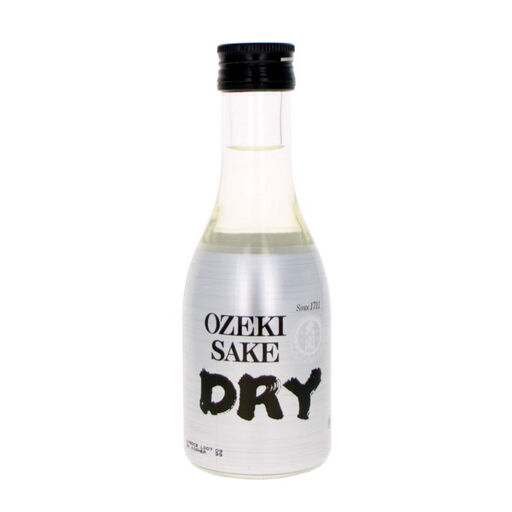
Why This Fits Their Persona: Ideal for a first encounter with sake. The small 180ml bottle offers a cost-effective way to sample without committing to a full-sized bottle. A classic, straightforward example of its type.
The Junmai designation ensures you are getting a pure rice wine with no added alcohol. This helps you avoid the "Junmai" trap and experience an authentic flavour profile.
A dry, balanced profile with umami notes, making it a great sake for sushi. Versatile and enjoyable either chilled or warmed.
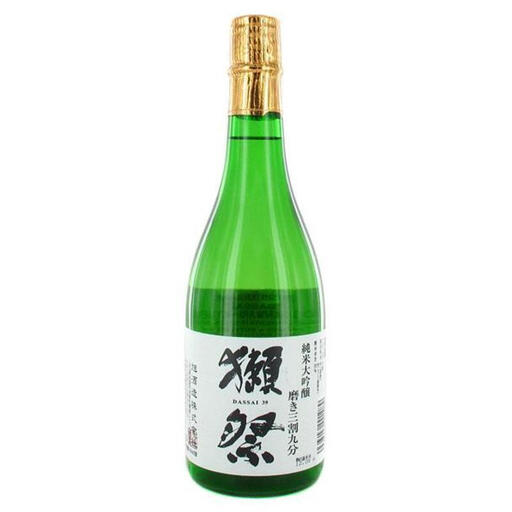
Why This Fits Their Persona: For connoisseurs who want to experience an internationally acclaimed premium sake. Perfect for special occasions or as a gift for discerning enthusiasts who appreciate elegance and finesse.
This product bypasses the polishing ratio myth by delivering on it as a clear promise of quality. The 39% polishing ratio here isn't just marketing; it's the foundation for its exceptionally smooth and pure taste.
A prime example of a Junmai Daiginjo. It offers an elegant, aromatic profile with notes of ripe melon and a long, clean finish.
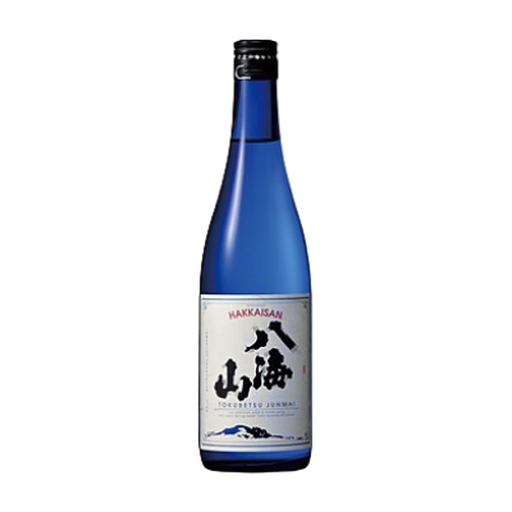
Why This Fits Their Persona: For experienced sake drinkers who look beyond standard categories and appreciate a sake with regional character and a special production method ("Tokubetsu").
This "Special Junmai" proves that quality doesn't just depend on the polishing ratio. It shifts the focus to other important factors like water quality (from the Niigata region) and brewing technique.
A robust yet pure flavour with a crisp, refreshing finish. It represents the high level of craftsmanship of the Hakkaisan brewery and the snow-rich Niigata region.
We have compiled a complete, up-to-date list of products that fully meet these strict selection criteria and German regulations.
1. How should sake be stored correctly? Most sake types, especially Ginjo and Daiginjo, should be stored in a cool, dark place, ideally in the refrigerator. Direct sunlight and heat will degrade the delicate aromas. Once opened, the bottle should be kept in the fridge and consumed within a few days to a week at most, as contact with oxygen will alter the flavour.
2. Should sake be drunk warm or cold? It depends on the type of sake. Aromatic and delicate sakes like (Junmai) Ginjo and (Junmai) Daiginjo best unfold their complexity when served lightly chilled (approx. 10–15°C). More robust Junmai sakes can be enjoyed at a variety of temperatures, from chilled to room temperature to gently warmed (approx. 40–45°C), which is particularly pleasant in winter and enhances the umami notes.
3. What does "Junmai" mean on a sake bottle? 'Junmai' literally means 'pure rice'. It is a protected designation for sake brewed exclusively from rice, water, yeast, and koji mould. No additional brewer's alcohol is added. So, when you buy a Junmai Sake, you are getting a product that derives its entire character and flavour from the rice itself.