
Lieferung heute & morgen

Qualitätsgarantie

Willkommens-Angebote freischalten: KOSTENLOSE Lieferung | Bis zu 80 % RABATT | Kostenlose 30-Tage-JoyPlus-Testphase
App herunterladen
First-time online sake buyers are often confronted by a bewildering array of Japanese terms and classifications. Disappointment is inevitable when an expensive bottle doesn't live up to expectations. Many buyers fall into easily avoidable traps. Instead of being swayed by marketing promises, it's wiser to focus on objective criteria.
This guide will help you understand the key characteristics needed to make an informed purchasing decision. We'll highlight the most common mistakes and show you what really matters when buying sake.
To find the right sake, you should focus on verifiable facts. Two parameters are of central importance: the rice polishing ratio and the addition of brewer's alcohol.
The polishing ratio indicates what percentage of the original rice grain remains after polishing. The more of the grain's outer layer—which contains fats and proteins—is polished away, the purer and more refined the sake's aroma becomes.
A lower percentage indicates a more labour-intensive production process and, generally, a more refined flavour profile.
This is a fundamental distinction that significantly shapes the style of the sake.
The choice between a Junmai Sake and a sake with added alcohol is a matter of personal preference, not quality.
Here are some recommendations tailored to different needs and taste preferences.
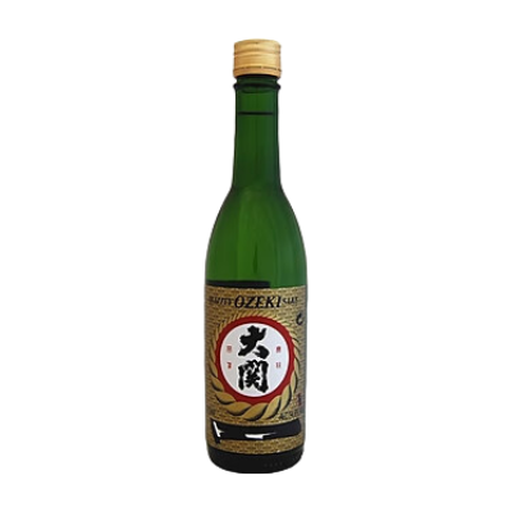
Why This Fits Their Persona: Ideal for anyone seeking a straightforward introduction to the world of sake. This sake is a classic example of its type, versatile, and offers a balanced flavour profile that isn't overwhelming. It's suitable both as a food pairing and for sipping on its own.
The clear designation as Junmai Sake ensures you're getting a pure rice wine with no added alcohol. It bypasses the vague "premium" trap by offering a reliable, traditional standard of quality.
Versatility: Can be enjoyed chilled, at room temperature, or warm. Balanced, slightly dry flavour.
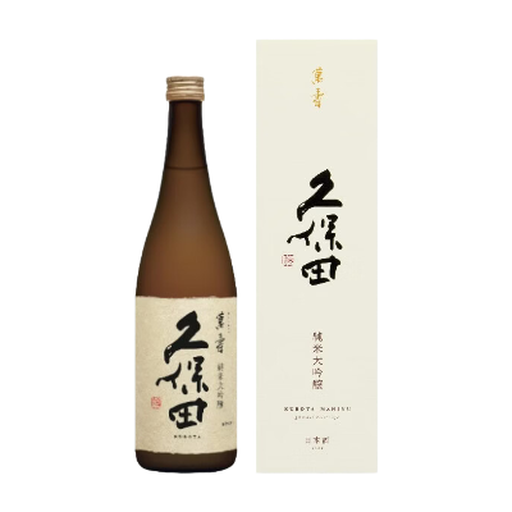
Why This Fits Their Persona: For seasoned enthusiasts looking for an exceptionally refined sake for a special moment. This sake represents the pinnacle of the brewer's art and is distinguished by its complexity, elegance, and harmonious flavour profile.
Its classification as Junmai Daiginjo is an objective mark of quality. It guarantees a high polishing ratio (≤50%) and production without added alcohol, bypassing the "premium" trap with a clear, verifiable standard.
Exceptional finesse and a soft, balanced mouthfeel. Complex aromas that are best revealed when lightly chilled.
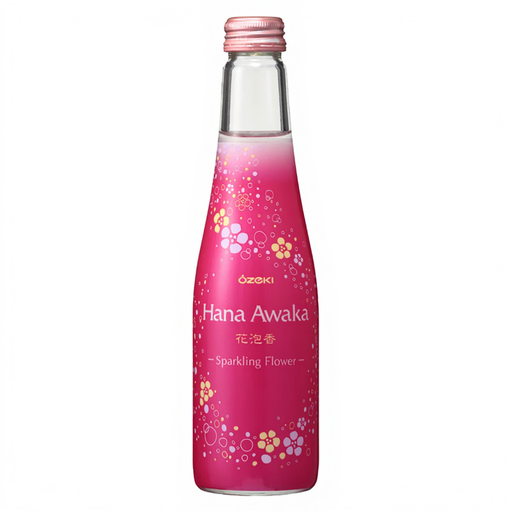
Why This Fits Their Persona: Perfect for those seeking a modern, lighter alternative to traditional sake. This sparkling sake is refreshing, slightly sweet, and excellent as an aperitif or for festive occasions, much like a Prosecco or sparkling wine.
This product is clearly positioned as a "Sparkling Sake," setting accurate expectations. It's not a traditional variety but a category of its own, which avoids the trap of misjudging the flavour.
Light and refreshing with only 5% alcohol content. A sparkling, approachable alternative for celebrations or as an aperitif.
We have compiled a complete, up-to-date list of products that fully meet these strict selection criteria and current regulations.
Proper storage is crucial for maintaining quality. Unopened bottles should be stored upright in a cool, dark place to minimise contact with the cap. Once opened, sake—especially delicate types like Ginjo, Daiginjo, or unfiltered Nigori Sake—belongs in the refrigerator and should be consumed within a few days to a few weeks, as it quickly loses its aroma.
This largely depends on the type of sake. A general rule of thumb is:
Nigori Sake is a "cloudy" sake. It is only coarsely filtered, leaving fine rice particles in the final product. This gives it a creamy texture and often a sweeter, richer flavour profile compared to clear sake. Before serving, the bottle should be gently tilted to evenly distribute the sediment.