
Lieferung heute & morgen

Qualitätsgarantie

Willkommens-Angebote freischalten: KOSTENLOSE Lieferung | Bis zu 80 % RABATT | Kostenlose 30-Tage-JoyPlus-Testphase
App herunterladen
The world of sake, often called Japanese rice wine, is as fascinating as it is diverse. However, first-time online buyers are often faced with a daunting selection. Misconceptions and clever marketing can easily lead to a purchase that doesn't meet your expectations. This guide will help you identify key quality indicators and make an informed choice, whether you're looking for a sake to enjoy with sushi, a special gift in a Sake Set, or an ingredient to elevate your cooking.
Before you make a decision, you should be aware of three common pitfalls:
To make the right choice, it helps to understand a few basic parameters. These objective criteria will help you correctly interpret the information on the label.
The most important distinction lies in the ingredients and the production process. Premium categories are defined by the rice polishing ratio and whether or not brewer's alcohol has been added.
The difference is fundamental. Kochsake is a condiment. It typically contains salt and sometimes other additives like glucose syrup to intensify the umami flavour in dishes like marinades, sauces, and soups. Drinking sake, also known as Nihonshu, is enjoyed on its own or with food and does not contain these additives. Therefore, pay close attention to the product description.
Instead of making a blanket recommendation, we've matched products to different users and occasions.
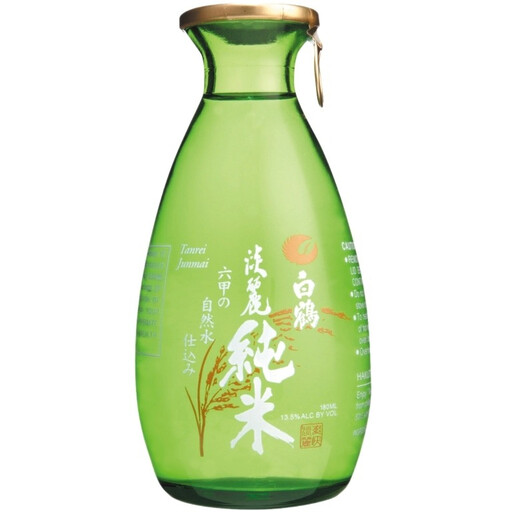
Why This Fits Their Persona: The small 180ml bottle is ideal for exploring the world of sake without a major investment. As a classic Junmai, it offers an authentic, balanced flavour profile that isn't overwhelming and provides a great reference point.
This is a clear drinking sake (Junmai), which eliminates any confusion with cooking sake. It represents a standard category, avoiding the complexity of highly specialised varieties.
Versatile and can be enjoyed chilled or warmed. A semi-dry, smooth profile that pairs well with many light dishes.
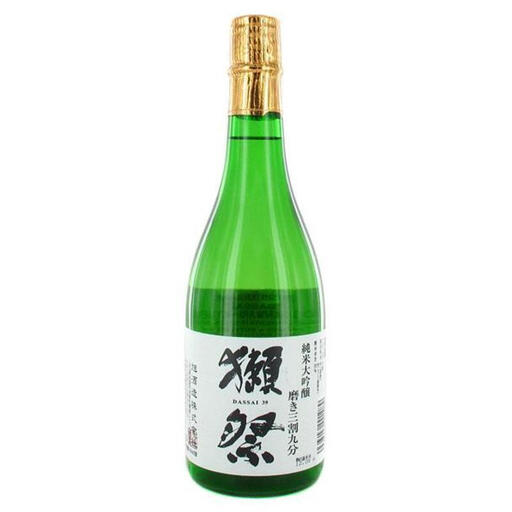
Why This Fits Their Persona: Anyone looking for a premium experience will find a benchmark here. Dassai is an internationally acclaimed brand, and the '39' signifies its high polishing ratio of 39%. This is a prime example of an elegant, aromatic Junmai Daiginjo.
This product's value is objectively justified by its clear premium classification and specific polishing ratio. It avoids the trap of relying on a vague quality claim.
Exceptionally smooth and refined flavour profile. Aromas reminiscent of ripe melon with a long, clean finish.
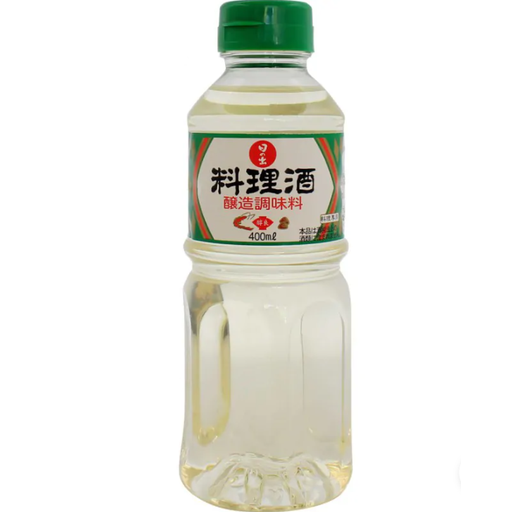
Why This Fits Their Persona: This product is explicitly designed as a seasoning for Japanese cuisine. It's the right choice for adding authentic umami and depth to dishes like teriyaki, marinades, or soups without using up an expensive drinking sake.
The clear 'Cooking Sake' label prevents the most common mistake—confusing it with a beverage. Its composition, which includes salt, is optimised for cooking.
Specially developed for seasoning. According to the manufacturer, it contains 2.0g of salt per 100ml for flavour enhancement.
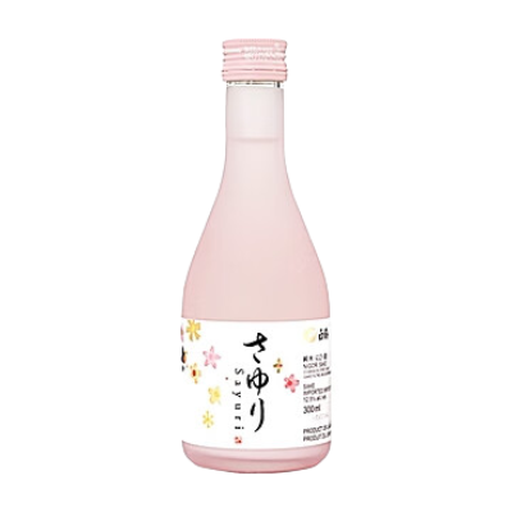
Why This Fits Their Persona: This Nigori Sake offers a completely different mouthfeel and flavour profile compared to clear sake. Its creamy texture and subtle sweetness make it an interesting aperitif or dessert pairing for anyone specifically seeking a unique variety.
This product addresses the 'wrong variety' pitfall by being a clearly defined specialty. Anyone buying this is deliberately looking for a cloudy sake and won't be accidentally disappointed.
Unfiltered Junmai sake that retains its rice particles. This creates a characteristic creamy texture and a rich, slightly sweet taste.
We've compiled a complete, up-to-date list of products that fully meet these strict selection criteria and current regulations.
Proper storage is crucial for maintaining quality. In general, sake should be kept in a cool, dark place, away from direct sunlight and temperature fluctuations. Once opened, the bottle should be tightly sealed, refrigerated, and consumed within a few days to a few weeks. Certain unpasteurised varieties, like 'Nama' sake, require continuous refrigeration from the start.
No, the serving temperature depends heavily on the type of sake. While robust and earthy varieties like many Junmai sakes can beautifully express their flavours when warmed (around 40–45°C or 104–113°F), it is not recommended for delicate and aromatic sakes. In particular, sensitive Ginjo and Daiginjo varieties should be served chilled, as heat would destroy their subtle floral and fruity notes.
Sake is a specific type of Japanese rice wine. However, the term 'rice wine' is very broad and includes many different alcoholic beverages from Asia that are based on rice. Sake is distinguished by its unique brewing process, which is more akin to that of beer (multiple parallel fermentation), where starch is converted to sugar and sugar to alcohol simultaneously. So, while all sake is rice wine, not all rice wine is sake.