
Lieferung heute & morgen

Qualitätsgarantie

Willkommens-Angebote freischalten: KOSTENLOSE Lieferung | Bis zu 80 % RABATT | Kostenlose 30-Tage-JoyPlus-Testphase
App herunterladen
Deciding to buy sake can be a daunting task given the variety of styles, brands, and terms. Whether you're trying Japanese rice wine for the first time or specifically looking for a premium product for a special occasion, the selection is vast. This guide is designed to offer you direction and presents a selection of sake varieties to make your decision easier the next time you order sake online.
To find the right sake for your taste and occasion, some basic knowledge is helpful. The following points will provide you with guidance.
One of the most fundamental distinctions in sake is between Junmai and non-Junmai varieties.
Another crucial factor is the rice polishing ratio (Seimaibuai). This percentage indicates how much of the original rice grain remains after polishing. A lower percentage means that more of the outer layer of the grain has been removed, which generally results in a finer, more aromatic, and complex sake. A Junmai Daiginjo, for example, is a pure rice sake where the rice grains have been polished to 50% or less of their original weight and is considered a premium sake.
The choice of sake heavily depends on the intended purpose.
Here you will find a curated selection that covers various styles and flavour profiles, designed to ease your entry or next discovery into the world of sake.
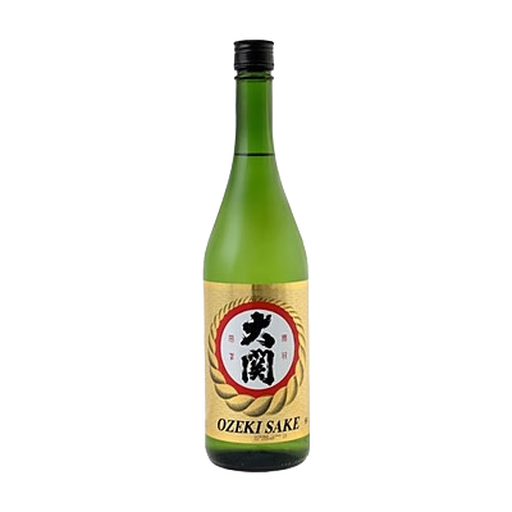
What Makes It Special The Ozeki Junmai Sake is a traditional example of its type from one of Japan's most historic breweries. It was developed to deliver a smooth, clean taste with balanced richness and a pleasantly dry finish. Its alcohol content is 14.5% ABV.
Benefits
Who It's For This sake is an ideal choice for beginners looking to explore the world of Junmai sake, as well as for experienced drinkers seeking a reliable and versatile sake for everyday enjoyment.
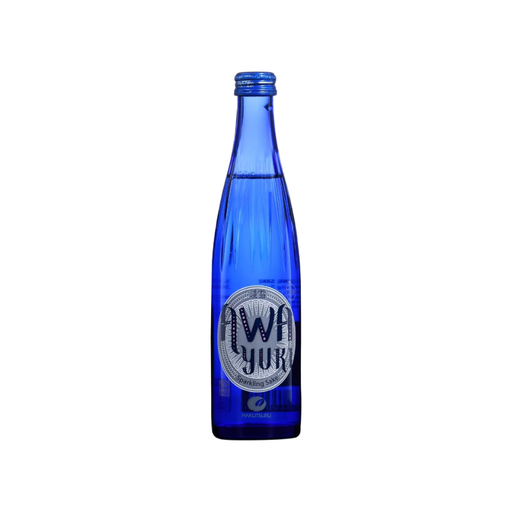
What Makes It Special The Hakutsuru Awa Yuki Sparkling Sake combines traditional sake craftsmanship with a modern, sparkling character. With a low alcohol content of just 5.5% ABV, it offers a light and refreshing drinking experience.
Benefits
Who It's For Perfect for anyone looking for a light alternative to sparkling wine or prosecco. This Sparkling Sake appeals to a modern audience and is excellent as an aperitif or for celebrations.
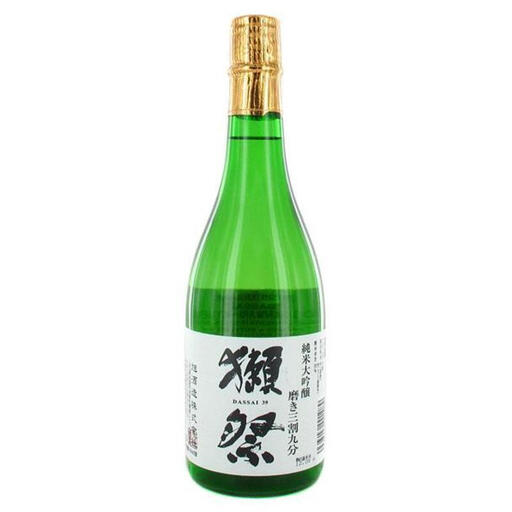
What Makes It Special The Dassai 39 is a celebrated Junmai Daiginjo that embodies precision and elegance. Its name refers to the rice polishing ratio of 39%, meaning only the purest core of each rice grain is used. The result is an exceptionally smooth and refined taste with an alcohol content of 16% ABV.
Benefits
Who It's For This sake is aimed at connoisseurs and enthusiasts seeking a sophisticated taste experience. It is an excellent choice for special occasions or as a high-quality gift for lovers of Dassai sake.
The world of sake is rich and diverse. If you haven't found the right fit among these recommendations or wish to discover more sake varieties, it's worth taking a look at our extended selection.
Discover our entire range of Rice Wine and find the perfect sake for your taste.
Junmai sake is made exclusively from rice, water, yeast, and koji. For Honjozo sake, a small amount of brewer's alcohol is added. This addition is not intended to increase the alcohol content but to extract aromas and often create a lighter, drier taste profile. Both types can be of high quality.
Opened sake should always be stored in the refrigerator to protect its aromas. A non-sparkling sake generally retains its flavour for about a week. Sparkling sake should ideally be consumed within one to two days, as the carbonation dissipates quickly.
No, this is a common misconception. While some simpler or more rustic sakes can be warmed to unfold their aromas, many, especially premium sakes like Ginjo and Daiginjo, are best served chilled. A cool temperature highlights their delicate and complex aromas. The recommended drinking temperature is often noted on the product's label.