
Lieferung heute & morgen

Qualitätsgarantie

Willkommens-Angebote freischalten: KOSTENLOSE Lieferung | Bis zu 80 % RABATT | Kostenlose 30-Tage-JoyPlus-Testphase
App herunterladen
The world of Japanese sake is fascinating, but for newcomers, the selection can be overwhelming. Those looking to order sake online are often faced with a wall of unfamiliar terms and stylish bottles, making it difficult to judge the contents. This can easily lead to poor purchases. Before you invest, it's helpful to know the most common pitfalls to avoid disappointment and find the perfect sake for your taste or occasion.
A common misconception is that every "rice wine" is authentic Japanese sake. Many products on the market are simple rice wines that do not follow the traditional Japanese brewing process. Another point of confusion is mistaking packaging design for quality. An elaborately designed bottle does not necessarily guarantee high-quality content. The true value of a sake lies in its classification and production method, which are declared on the label.
To make an informed decision, three objective parameters are crucial. These will help you evaluate the quality and character of a sake, regardless of marketing claims.
The most important piece of information on a sake label is its classification. It provides details about the ingredients and the brewing process. The main categories are:
The rice polishing ratio (精米歩合) is a percentage that indicates how much of the original rice grain remains after polishing. A Seimaibuai of 60% means that 40% of the outer layers, which contain fats and proteins, have been removed.
A lower percentage indicates a higher degree of polishing and, therefore, tends to signify a finer, more elegant sake. Premium sakes like the famous Dassai Sake are known for their extremely low polishing ratios (e.g., 39% or even 23%).
Sake can exhibit a wide range of flavor profiles. A dry sake is called "Karakuchi" (辛口) in Japanese. These varieties are often crisp, clean, and pair well with many foods. Other types of sake can have fruity notes of melon, apple, or banana, or a creamier character. An example of a unique style is Nigori Sake, an unfiltered, cloudy sake with a creamy texture and often a sweet taste.
Here are some recommendations tailored to different needs, based on the objective criteria mentioned above.
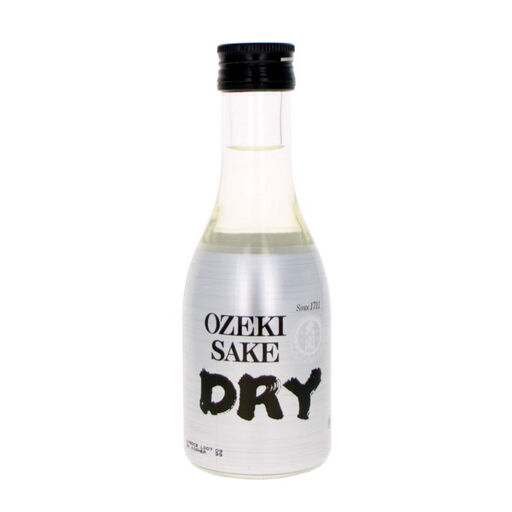
Why This Fits Their Persona: Ideal for anyone trying authentic sake for the first time. The small 180ml bottle is a low-commitment way to experience a classic, dry sake style without having to purchase a full-sized bottle.
This is a clearly declared Junmai sake, meaning it's a pure rice sake with no added alcohol. You are buying an authentic product, not a generic "rice wine." The dry profile is a great, uncomplicated entry point.
Clearly defined, dry flavor profile; ideal single-serving size for tasting; established brand.
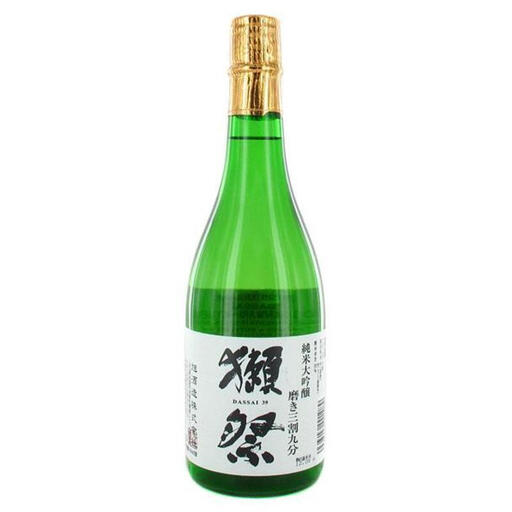
Why This Fits Their Persona: For connoisseurs specifically seeking premium quality. Dassai is an internationally renowned brand, and this Junmai Daiginjo represents the pinnacle of brewing artistry, finesse, and a complex, fruity aroma profile.
Here, you're not just paying for packaging. The quality is objectively proven by its classification (Junmai Daiginjo) and the precise rice polishing ratio of 39%. This is a transparent indicator of the expected finesse.
High polishing ratio for exceptional smoothness and aromatics; internationally recognized premium brand; complex flavor profile with notes of ripe melon.
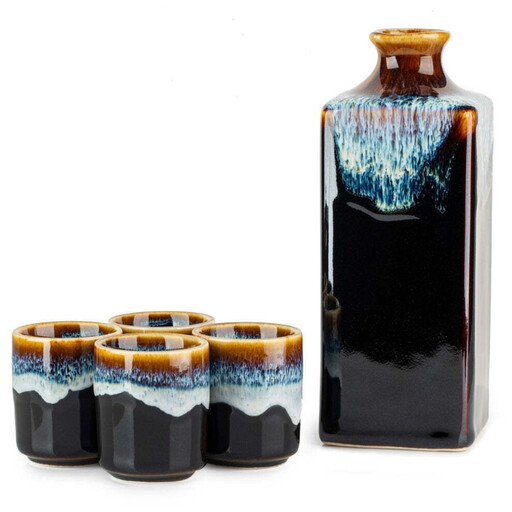
Why This Fits Their Persona: Perfect as a sake gift for culture aficionados, food enthusiasts, or hosts. A sake set offers the complete experience and shows an appreciation for Japanese drinking culture, regardless of the recipient's individual taste.
Instead of having to guess the recipient's taste, you're gifting the ritual of enjoying sake. This high-quality ceramic set is a durable and practical gift that goes beyond the single-use experience of one bottle.
Complete set with carafe and four cups; delivered in an elegant gift box; dishwasher and microwave safe.
We've compiled a complete, up-to-date list of products that fully meet these strict selection criteria and local regulations.
1. How should sake be stored properly? Most sakes, especially premium grades like Ginjo and Daiginjo, should be stored in a cool, dark place, ideally in the refrigerator. This preserves their delicate aromas. Once opened, the bottle should also be kept in the fridge and consumed promptly, usually within a few days to a week.
2. Should sake always be served warm? No, this is a common myth. While simpler sakes (Futsushu) are often warmed to mask undesirable flavors, most premium sakes (Ginjo, Daiginjo) are served slightly chilled. Their complex and delicate aromas are best appreciated at cooler temperatures. The recommended serving temperature is often noted on the label.