
Lieferung heute & morgen

Qualitätsgarantie

Willkommens-Angebote freischalten: KOSTENLOSE Lieferung | Bis zu 80 % RABATT | Kostenlose 30-Tage-JoyPlus-Testphase
App herunterladen
Finding the right saw for a project can be a challenge. Whether you're pruning branches in the garden, building furniture, or cutting metal pipes, the market offers a bewildering array of models. Many DIY enthusiasts and garden owners invest in a tool that ultimately fails to deliver the expected performance or is unsuitable for its intended purpose.
As your Joybuy Product Recommendation Officer, I'm here to help you spot the common pitfalls and make an informed decision. We'll focus on the objective features that truly matter, leaving the marketing hype aside.
Before we dive into the details, let's look at three common mistakes that often lead to frustration and unnecessary expense.
To avoid a bad purchase, you should focus on three core technical aspects. These determine whether a saw is suitable for your needs.
The first step is choosing the right type of saw. Each type is optimised for specific tasks.
The choice of power source depends on your work environment and performance requirements.
The saw blade is the critical component for cut quality.
Here are some product recommendations tailored to specific user profiles, taking the above criteria into account.
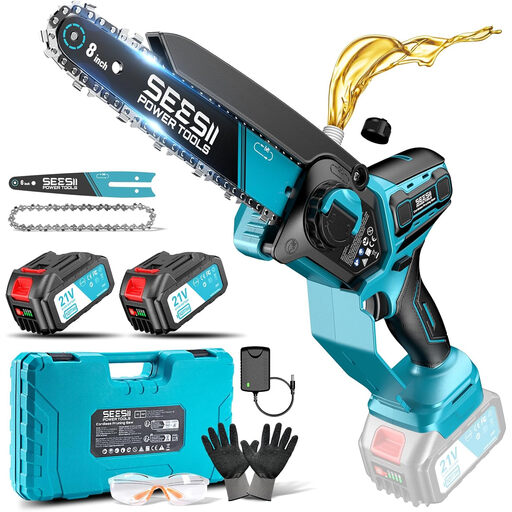
Why This Fits Their Persona: Ideal for garden owners who regularly prune branches and manage green waste. The cordless freedom and light weight allow for flexible work throughout the garden without being tied to a power cord.
This model avoids the trap of underpowered battery performance. It features a brushless motor and comes with two 4000mAh batteries, ensuring long runtime and consistent power.
The 2-in-1 design with 6- and 8-inch bars offers flexibility for different branch thicknesses. The automatic chain lubrication and tool-free chain tensioning simplify maintenance.
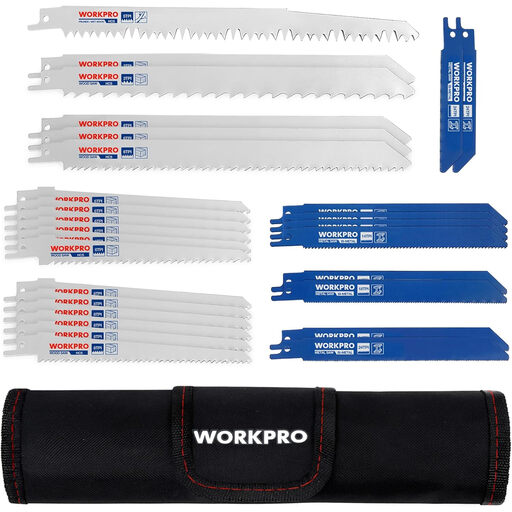
Why This Fits Their Persona: Perfect for DIY enthusiasts who use a reciprocating saw for renovation or demolition projects and work with various materials like wood, metal, and plastic. The universal shank is compatible with major brands.
This set directly addresses the pitfall of low-quality blades. It offers a selection of blades made from Chrome Vanadium Steel (CrV) for wood and Bi-Metal for metal, ensuring high durability and clean cuts.
The comprehensive 32-piece set covers a wide range of applications. The included storage pouch keeps the reciprocating saw blades organised and easy to transport.
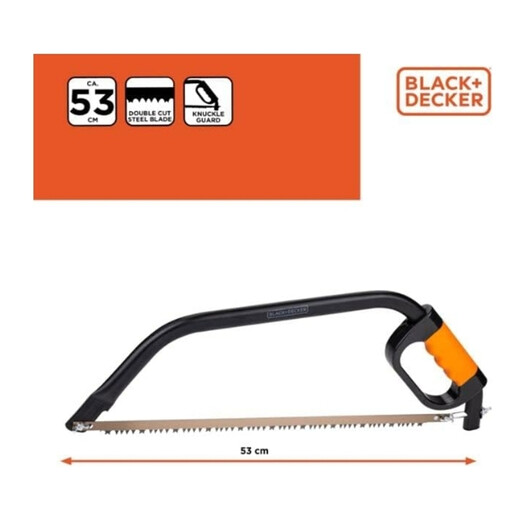
Why This Fits Their Persona: Suitable for homeowners and occasional DIYers who need a reliable, straightforward tool for simple sawing tasks, like cutting lumber or removing thicker branches.
This saw bypasses the "all-in-one" myth by focusing on one core function: manual sawing. It doesn't promise electric power it can't deliver, instead offering a robust and reliable manual performance.
The sturdy 21-inch steel frame ensures stability and durability. The integrated knuckle guard enhances safety during use, and because it's manually operated, it's always ready to go without a battery or power source.
If the models featured here don't perfectly match your needs, you can find a broader selection in our main category. We've curated a list of products based on objective criteria.
In short: For straight cuts in wood, a hand saw or circular saw is suitable. For curves in wood or metal, use a jigsaw. For rough demolition work, a reciprocating saw is ideal. For pruning trees in the garden, a pruning saw, folding saw, or mini chainsaw is effective.
Pay attention to the material (HCS for wood, HSS for metal, BIM for both) and the tooth count (TPI). Fewer teeth per inch mean a fast, rough cut, while more teeth produce a slower but finer cut. A high-quality saw blade set is a worthwhile investment.
Clean the saw of sawdust and resin after each use. Regularly check the chain tension and sharpen or replace the chain as needed. For models with an oil tank, monitor the chain oil level to ensure adequate lubrication. Store the battery in a dry, frost-free place.