
Lieferung heute & morgen

Qualitätsgarantie

Willkommens-Angebote freischalten: KOSTENLOSE Lieferung | Bis zu 80 % RABATT | Kostenlose 30-Tage-JoyPlus-Testphase
App herunterladen
If you’re looking to buy scissors, you’ll find a wide choice of blade shapes, handles and specialist features. An inexpensive pair of household scissors may be all you need for paper and packaging, while cutting fabric, herbs or plants calls for different qualities. It’s often a design that doesn’t suit the task, rather than the price alone, that leads to a disappointing purchase.
A multi-purpose pair of scissors may seem practical, but it won’t necessarily suit every job. Delicate fabrics need a different blade shape from cardboard. For fresh branches, secateurs with the right cutting mechanism are a better choice than ordinary household scissors. Regularly using kitchen scissors on hard materials can also wear down the blades and pivot more quickly.
The description “sharp scissors” tells you little about whether a pair is right for your needs. More useful details include blade length, blade material, the type of edge and the intended use. A micro-serrated blade can help stop materials from slipping, while a smooth blade may be better for precise, even cuts in fabric or paper.
A large handle isn’t necessarily ergonomic. What matters is the shape of the finger loops, how easy the scissors are to use and their weight. It’s also worth checking how they need to be cleaned before you buy: some models can be taken apart or are dishwasher-safe, while others should only be washed by hand and dried straight away. If metal parts aren’t properly cared for, moisture can encourage corrosion.
Stainless steel scissors are suitable for many household tasks, as stainless steel is corrosion-resistant. However, “rust-free” doesn’t mean maintenance-free. Dry the blades after they come into contact with water. For secateurs, the blade type and maximum cutting diameter are also important.
Bypass secateurs work with two blades that pass alongside one another and are designed for fresh, relatively soft branches. Check the stated maximum cutting diameter before you buy. For example, the FLORA GUARD bypass secateurs are described as suitable for plant material up to 15 mm in diameter. Don’t use the blades on hard materials, wire or metal.
Blade length affects both precision and reach. A 21 cm pair of dressmaking scissors is better suited to larger pieces of fabric and multiple layers than a compact pair of household scissors. For small cutting jobs, a lighter model with shorter blades may be easier to handle.
Also look out for:
Kitchen scissors can be used to cut packaging, herbs and some light food items, but should always be used as intended. Herb scissors with multiple blades make it easier to chop soft herbs, but aren’t designed for tough stems or other materials. Pizza scissors are made for portioning pizza and aren’t a substitute for general-purpose kitchen scissors.
For dressmaking scissors, a precise edge, suitable blade length and sturdy handle are especially important. If you only cut fabric occasionally, you may not need a heavy-duty pair. For regular sewing and craft projects, however, scissors designed for the job may be a better choice.
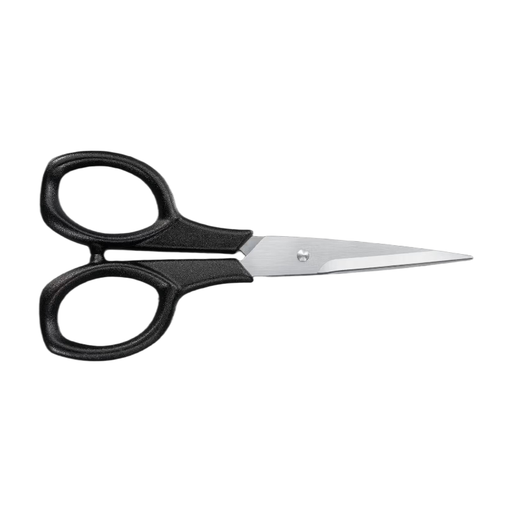
Why this product suits this profile: These compact household scissors are designed for everyday cutting jobs and weigh 25 g, according to the product details. The polyamide handles and stainless steel blades make them easy to handle.
Their compact design makes their intended use clear, rather than suggesting they’re suitable for heavy-duty materials.
Stainless steel blades, a light weight and, according to the product details, a design that can be taken apart and is dishwasher-safe.
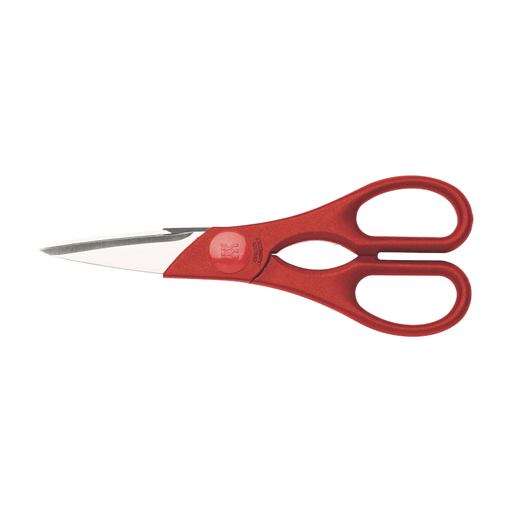
Why this product suits this profile: Designed for the kitchen and home, this model has 20 cm blades, precision-ground edges and integrated micro-serrations.
The blade features and intended household uses are clearly specified. However, avoid cutting hard materials such as wire or metal.
Special stainless steel, micro-serrations and an integrated twist-top opener, according to the product description.
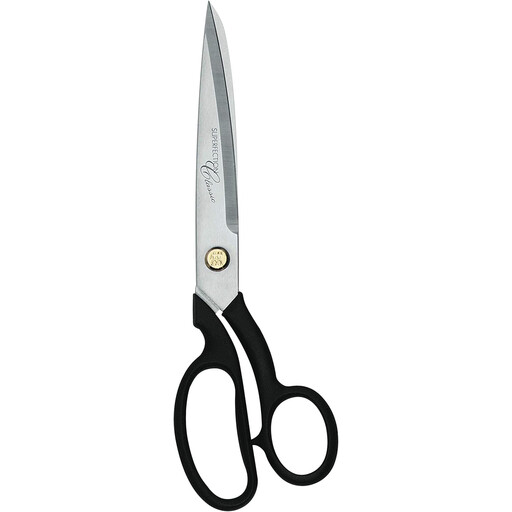
Why this product suits this profile: According to the product details, these 21 cm scissors are designed for fabric, multiple layers, wool, paper and cardboard. The glass-fibre-reinforced plastic handle helps you keep a steady grip.
The longer blades and stated suitability for fabric clearly set this model apart from a small pair of general-purpose scissors.
Stainless steel blades, a weight of 142 g and an adjustable precision screw, according to the product description.
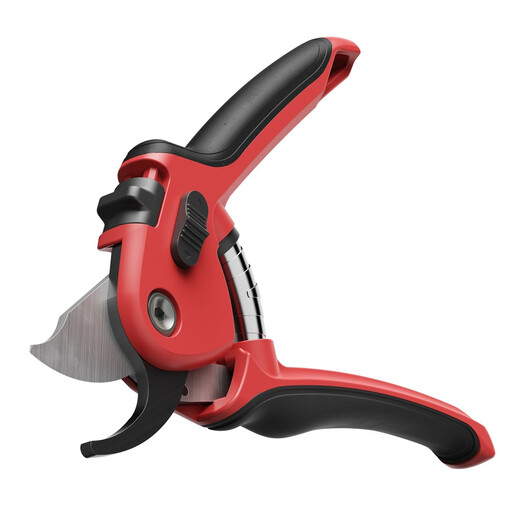
Why this product suits this profile: This model is aimed at gardeners who prune branches, roses and ornamental plants. The listed features include SK5 steel, an adjustable handle width and a maximum cutting diameter of 15 mm.
The maximum cutting diameter is clearly stated, helping you avoid using the secateurs on branches that are too hard or too thick.
Non-stick SK5 steel blades, a safety catch and soft, non-slip handles, according to the product details.
We’ve put together a complete, regularly updated list of products that meet these strict selection criteria and the safety regulations in force in the EU.
For everyday tasks such as cutting paper, packaging and light materials, choose household scissors with stainless steel blades and a comfortable handle. If you regularly use scissors in the kitchen, for sewing or in the garden, a specialist pair is usually a better fit.
Their lifespan depends on the materials they’re made from, what you cut, how you care for them and how often you use them. Paper, cardboard, fabric and plant material all put different levels of wear on the blades. Scissors will stay in good working order for longer if you avoid cutting unsuitable hard materials, keep them clean and store them somewhere dry.
A higher price may reflect longer blades, a better-designed handle, more precise construction or extra features. What matters is whether those qualities suit the way you’ll use them. A compact model is often enough for occasional, light tasks; for regular sewing, cooking or gardening, specialist features can make scissors more useful in practice.