
Same-day & Next-day Delivery

Quality Guaranteed

Unlock Your Welcome Offers: FREE Delivery | Up to 80% OFF | Free 30-day JoyPlus trial
Download the APP
If you’re looking to buy Scotch whisky, there’s plenty of choice: single malt Scotch whisky, blended Scotch whisky, well-known brands such as Johnnie Walker, Glenfiddich, Glenlivet and Chivas Regal, as well as smoky bottlings from Islay. Marketing terms alone, however, tell you little about whether a bottle will suit your taste and the occasion.
Three things in particular can often lead to the wrong choice:
For a more informed choice, it’s worth checking clearly stated product details rather than relying on broad claims about quality.
Single malt Scotch whisky is made from malted barley at a single distillery. That doesn’t mean it comes from just one cask. A bottling may combine whisky from several casks at the same distillery to create a recognisable distillery style.
Blended Scotch whisky combines malt whiskies and grain whiskies from different distilleries. This makes it possible to create a balanced style that’s often versatile. Depending on its flavour profile, a blend can be enjoyed neat, in a long drink or in a cocktail.
When buying whisky online, choose a type that suits how you plan to enjoy it. A single malt can be an interesting way to explore a particular region’s style, while an approachable blend may be a good choice for mixed drinks or serving several guests.
An age statement refers to the youngest whisky in the bottle. It tells you how long the whisky has matured in wooden casks, but doesn’t automatically indicate how intense or appealing you’ll find its flavour. Also look out for details such as:
If you’re looking for a smoky whisky, don’t judge its intensity by region alone. Check descriptions such as “smoky” or “peated” against the official product information.
Many bottles come in a standard size of 0,7 l, while miniatures often contain 0,05 l. A whisky at 40 % Vol. is a common drinking strength. Some products are stronger, such as Ardbeg 10 Year Old at 46 % Vol.
Before buying, also check:
Alcoholic drinks are for adults of legal drinking age only. Anyone who is pregnant or breastfeeding should avoid alcohol. Please drink responsibly.
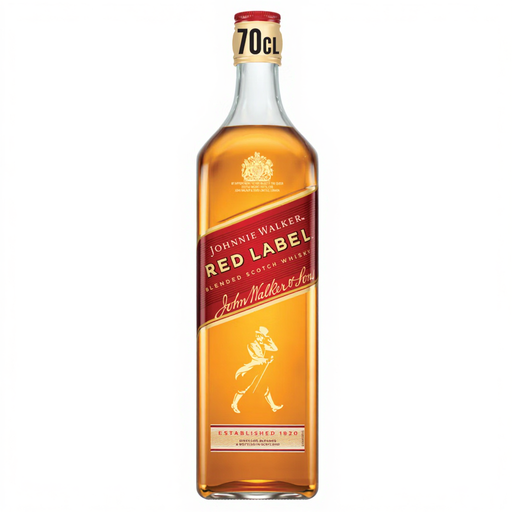
Why this product suits this profile: This blend is clearly specified as 40 % Vol. and 0,7 l, and the product information recommends enjoying it neat, over ice or in cocktails. Fruity, spicy and smoky notes make it an approachable introduction to Scotch whisky.
The volume, alcohol content and suggested ways to enjoy it are clearly stated, making it easier to choose than relying on a vague flavour description alone.
Blended Scotch whisky, 0,7 l bottle and 40 % Vol., with plenty of versatility for mixed drinks.
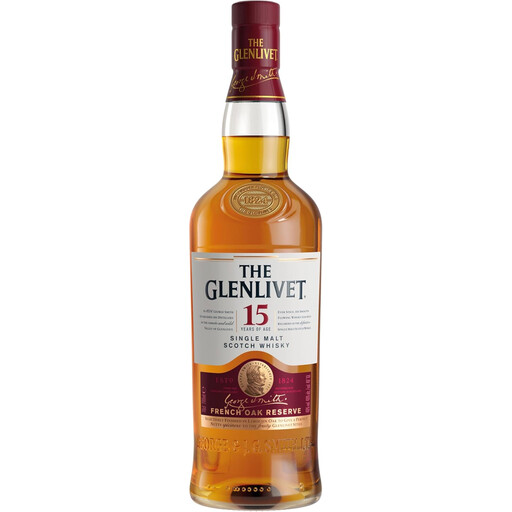
Why this product suits this profile: This bottling is identified as a 15-year-old Speyside single malt. The product information describes fruity and spicy notes, and maturation in French Limousin oak casks.
The age, region, bottle size and cask details are clearly stated, making it easier to see how the whisky matches your own flavour expectations.
Single malt Scotch whisky, 0,7 l bottle and a stated maturation period of 15 years.
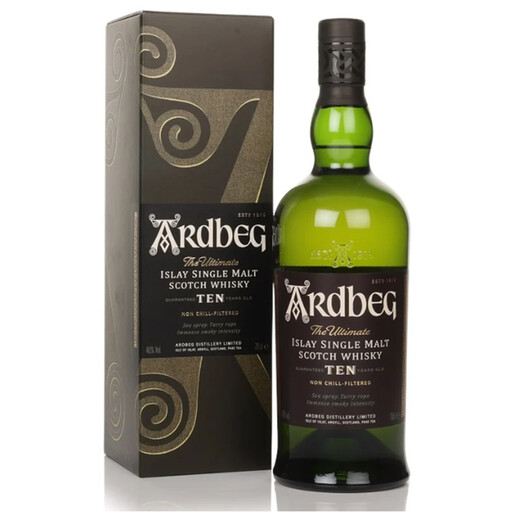
Why this product suits this profile: According to the product description, this Islay single malt is distinctly smoky and peaty. At 46 % Vol., it’s suited to whisky lovers who enjoy a more intense profile and want to serve it neat, with a little water or over ice.
The product details specify the region, age, alcohol content and flavour profile, giving “smoky” a more precise meaning than a general marketing claim.
Islay single malt, aged for 10 years, 0,7 l bottle and 46 % Vol.
We’ve put together a complete, regularly updated list of products that meet these strict selection criteria and the safety regulations in force across the EU.
For a classic gift, a 0,7-l bottle with a clear age statement can be a good choice. Chivas Regal 12 Year Old and Glenfiddich 12 Year Old are easy to identify as blended and single malt Scotch whiskies respectively. If you’re looking for a small taster or several varieties for a tasting, you could consider Johnnie Walker Red Label miniatures, with 0,05 l in each bottle.
When buying Scotch whisky, the occasion matters too: a blend can work well in cocktails and long drinks, while a single malt is often served neat or with a few drops of water. Before adding ice or water, check the producer’s advice and consider your own preference.
A blend at 40 % Vol. with a balanced, fruity and spicy profile can be an easy introduction. If you prefer smoky flavours, look specifically for Islay bottlings or a stated peat note.
Whisky keeps for a long time when stored somewhere cool, dry and away from light. Once opened, the bottle should be kept upright and tightly closed, and protected from significant temperature changes where possible. If there’s a lot of air in the bottle, the flavour may change over time.
No. Alcohol content indicates the whisky’s strength, not the intensity of its flavours. Cask type, maturation time, region, peat level and recipe all affect the taste too. A whisky at 46 % Vol. may therefore taste different from one at 40 % Vol., but alcohol content alone doesn’t determine its flavour quality.