
Lieferung heute & morgen

Qualitätsgarantie

Willkommens-Angebote freischalten: KOSTENLOSE Lieferung | Bis zu 80 % RABATT | Kostenlose 30-Tage-JoyPlus-Testphase
App herunterladen
If you appreciate Asian cuisine or want to add nutrient-dense foods to your diet, you'll inevitably encounter seaweed. But the sheer variety can be overwhelming at first: which type is best for soup, which for sushi, and which for a crispy snack? The decision of which seaweed to buy largely depends on your intended use.
This article serves as a practical guide. It explains the key differences between common seaweed varieties and presents a selection of products to help you find your bearings and make the perfect choice for your kitchen.
Before you decide on a product, the following three points will help you narrow down your options and find the right edible seaweed for your needs.
Not all seaweed is suitable for every dish. The texture, shape, and flavour vary considerably.
The origin can influence the flavour and quality. Korean seaweed, for example, is known for its use in dishes like gimbap and as a seasoned side, while seaweed from China or Japan is often found in soups and stews.
Also, pay attention to the processing. Dried seaweed can be natural, roasted, seasoned, or salted. The product description will tell you whether the seaweed needs to be cooked, soaked, or can be eaten directly.
A look at the ingredients list is always advisable. Some products consist of 100% seaweed, while others are enhanced with oil, salt, or various seasonings. If you prefer the pure seaweed taste or want to control the seasoning yourself, an unprocessed product is the better choice. The pack size should match your consumption habits. For occasional use, smaller packs are sufficient, while for regular consumption or for families, larger bulk packs can be more economical.
Here is a compilation of various seaweed products, each distinguished by its specific characteristics and applications.
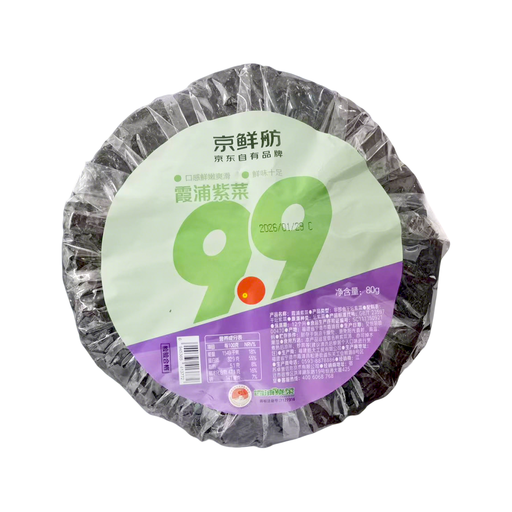
Why it stands out: This purple laver comes from Xiapu, a region in China renowned for its seaweed cultivation. It is unprocessed and must be cooked before consumption, making it a flexible ingredient for various dishes. According to the manufacturer, it is distinguished by its high protein content.
Pros:
Who is it for? For home cooks looking for an authentic and versatile ingredient to prepare Chinese or other Asian dishes and who want to season the seaweed themselves.
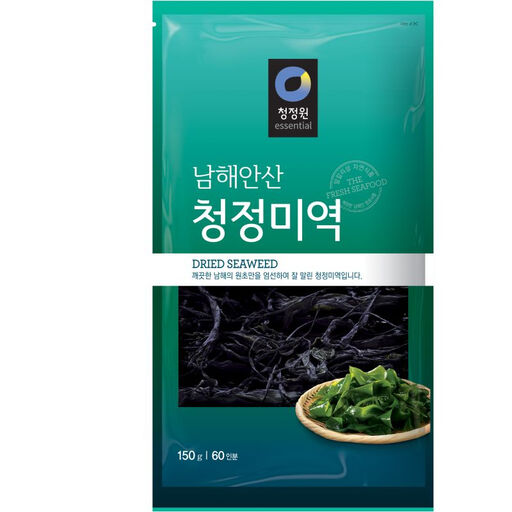
Why it stands out: This dried seaweed from South Korea is ready-to-use and highly versatile. It's suitable as an ingredient for soups, a wrap for rice balls, or as a simple side dish. The product is 100% dried seaweed and delivers a characteristic umami flavour.
Pros:
Who is it for? For those looking for a straightforward and versatile seaweed for quick meals, especially for preparing Korean food or as a flavourful garnish.
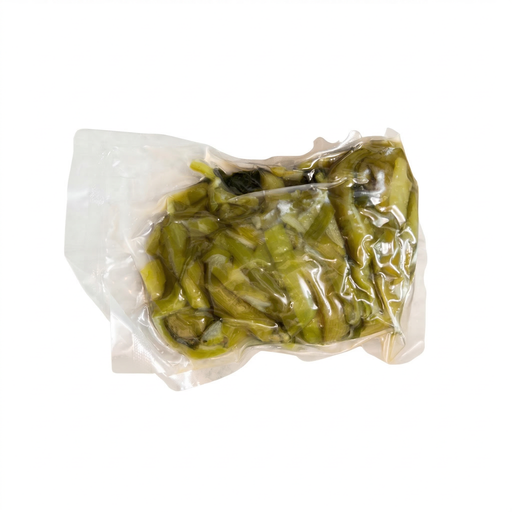
Why it stands out: With a 500g pack size, this product is designed for frequent users. It consists only of seaweed and salt and is ready to eat. The seaweed is suitable for salads, soups, or as a filling for rice balls.
Pros:
Who is it for? For families, roommates, or anyone who uses seaweed regularly and prefers a large quantity of a simple, lightly salted product.
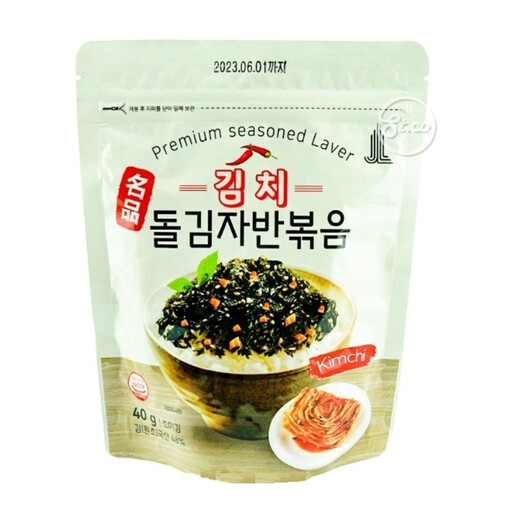
Why it stands out: This product is a classic Korean seaweed snack. The seaweed is already roasted, torn into bite-sized pieces, and enhanced with a spicy kimchi flavour. It's designed as an instant snack or a crispy topping for rice and noodles.
Pros:
Who is it for? For lovers of spicy snacks and Korean cuisine who are looking for a quick and flavourful addition to their meals or an alternative to chips.
If the seaweed products featured don't quite meet your needs, it might be worth exploring other areas of our range. We also carry a selection of practical products for your home or leisure activities. For example, discover our outdoor RV rugs.
Dried seaweed should always be stored in a cool, dry, and, most importantly, airtight container. Moisture will cause it to lose its crispy texture and can affect its shelf life. After opening the package, it's advisable to store the contents in a tightly sealed container or bag.
No, for making sushi rolls, specially roasted and pressed nori sheets are used. Their firm yet flexible structure is necessary to hold the rice and filling together. Other varieties like wakame (for soups) or kombu (for broth) have a different texture and are unsuitable for this purpose.
This depends on the specific product. Always read the instructions on the packaging. Some natural seaweeds, like the Jing Xian Fang Purple Laver mentioned in the article, should be briefly rinsed before cooking to remove any residual sea salt. Ready-to-eat products like seasoned snacks or nori sheets for sushi require no further preparation.