
Lieferung heute & morgen

Qualitätsgarantie

Willkommens-Angebote freischalten: KOSTENLOSE Lieferung | Bis zu 80 % RABATT | Kostenlose 30-Tage-JoyPlus-Testphase
App herunterladen
Seaweed is increasingly finding its way into kitchens, whether as an ingredient for authentic Asian dishes or as a crispy snack. But the growing selection can be overwhelming. Anyone looking to buy seaweed is often faced with a wall of unfamiliar terms and packaging. To avoid making the wrong purchase, it helps to know the most common pitfalls.
Many shoppers grab the wrong product for their intended use, such as using seasoned seaweed snacks to make sushi, which results in an unsuitable flavour and a brittle texture. Another point is nutritional value: a seaweed snack advertised as healthy can quickly become a less beneficial choice due to added sugar or high salt content. Finally, quality labels like "Gold" or "Silver" are not standardised and, without context, say little about the product's actual suitability.
This guide will help you understand the key features and find the right seaweed product for your needs.
To select the right product, three criteria are crucial: the type of seaweed, the processing method, and the ingredients list.
Not all seaweed is the same. The variety largely determines the flavour, texture, and ideal use case.
The processing method determines whether a product is an ingredient or a ready-to-eat snack.
A look at the ingredients list is essential. For pure nori sheets or dried seaweed, the list should ideally only contain "seaweed". For seasoned snacks, the nutrition facts table provides information on sugar and salt content.
Quality grades like "Gold" or "Silver" are often used by manufacturers to classify the thickness, colour, and tear resistance of nori sheets. "Gold" typically indicates a higher quality with a darker colour and a more robust structure. However, for home use, a good "Silver" grade is often perfectly sufficient.
Based on these criteria, we have curated a few products for different use cases.
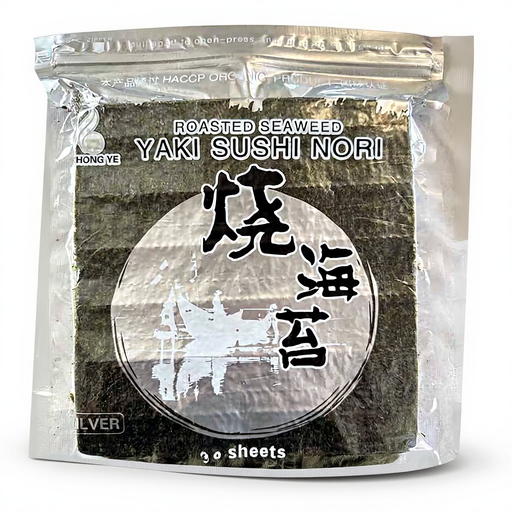
Why This Fits Their Persona: Ideal for anyone starting out with sushi making. The bulk pack of 50 sheets offers great value and allows for plenty of practice without worrying about running out.
This product is clearly labelled as sushi seaweed and is unsalted, avoiding the common mistake of using a seasoned snack for rolling. The Silver grade is perfectly suitable for home use.
Large quantity (50 sheets) for multiple uses. According to the ingredients list, it consists only of dried seaweed, with no additives.
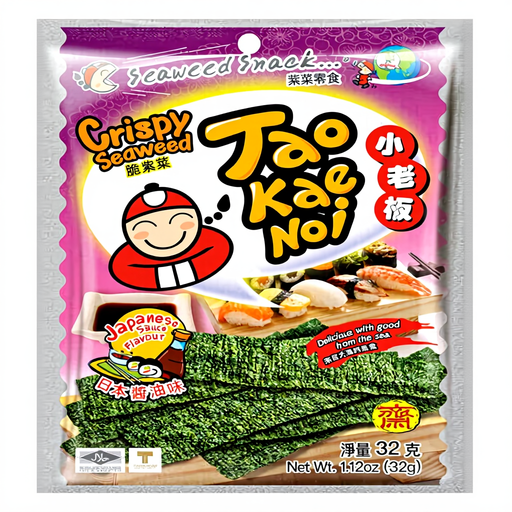
Why This Fits Their Persona: Perfect for anyone looking for a crispy and flavourful alternative to potato chips. The Japanese seasoning offers an authentic umami experience for eating straight from the pack.
This product is clearly positioned as a snack. The nutritional information is clearly declared, so the salt and fat content can be checked before purchase, bypassing the 'hidden calorie trap'.
Very crispy texture from being fried. Bold, sweet-and-salty Japanese-style seasoning.
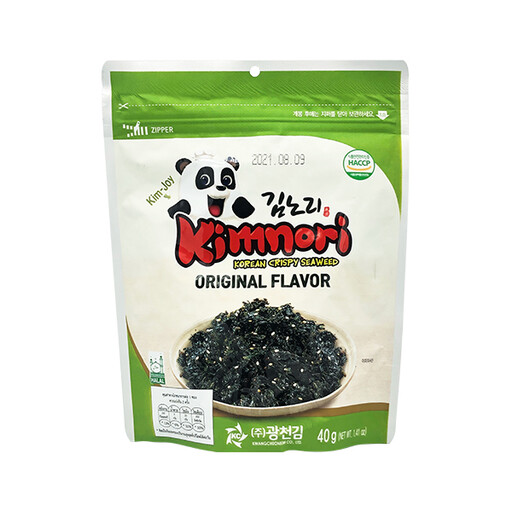
Why This Fits Their Persona: For cooks who want to prepare authentic Korean dishes. This gimjaban is a versatile ingredient that adds a nutty, savoury note and a crispy texture to rice dishes, noodles, or salads.
By being marketed as a specific seasoning rather than a universal seaweed, it solves the 'wrong type for the recipe' problem. It's an ingredient designed for a specific culinary purpose.
Authentic Korean seasoned seaweed. Versatile for use as a topping or side dish.
We've compiled a complete, up-to-date list of products that fully meet these strict selection criteria and all applicable regulations.
Dried seaweed is very sensitive to moisture. Always store it in an airtight container in a cool, dry, and dark place. After opening, be sure to reseal the package tightly to preserve its crispness. Some packages include a small desiccant packet, which you should leave inside the packaging.
Good nori sheets have a deep green, almost black, glossy colour and a uniform thickness without any holes or tears. When you hold a sheet up to the light, it shouldn't be too transparent. High quality is also characterised by good tear resistance, so the sheet won't break when you're rolling sushi.
Generally, this is not recommended. Crispy seaweed chips are often heavily seasoned and have a very brittle texture that isn't suitable for rolling. They would quickly lose their texture in soups or salads and could overpower the dish with their intense seasoning. For cooking, it's better to use products designed for that purpose, such as unsalted nori sheets or dried seaweed like wakame.