
Lieferung heute & morgen

Qualitätsgarantie

Willkommens-Angebote freischalten: KOSTENLOSE Lieferung | Bis zu 80 % RABATT | Kostenlose 30-Tage-JoyPlus-Testphase
App herunterladen
The growing popularity of Asian cuisine in the English-speaking world has also brought seaweed into the spotlight. Whether as a crispy snack, a savoury ingredient for soups, or the base for sushi, the variety is immense. However, buying seaweed comes with a few pitfalls that can lead to disappointment. Many products look similar at first glance but differ fundamentally in taste, texture, and intended use. This guide will help you avoid the most common mistakes and find the right product for your needs.
The two most common problems when buying are:
To ensure you get the right product, you should check two key parameters: the seaweed type and its processing. These largely determine whether a product is suitable for cooking or as a snack.
Not all seaweed is the same. The three most common types on the market are Nori, Wakame, and Kombu/Kelp, which differ greatly in their properties.
The type of processing provides clues about the final texture and taste.
To make your decision easier, we have matched several products from the Asian food online category to different user profiles.
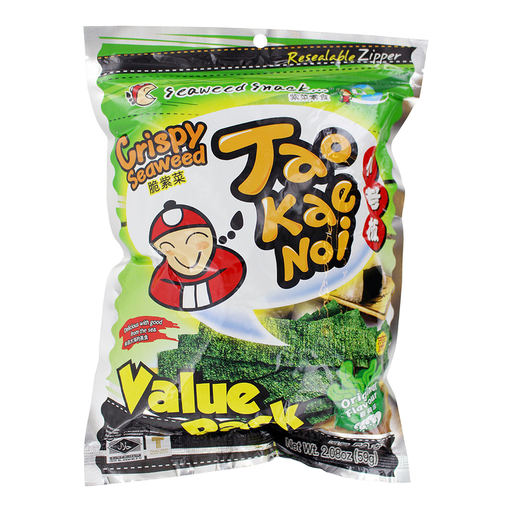
Why This Fits Their Persona: Ideal for anyone looking to venture into the world of seaweed snacks. The Taokaenoi brand is well-known, and the spicy Tom Yum flavour offers an intense yet approachable taste experience.
The product is clearly labelled as "Crispy Seaweed," which prevents any confusion with a cooking ingredient. Its purpose as a snack is unambiguous.
Ready to eat; bold seasoning; light, crispy texture.
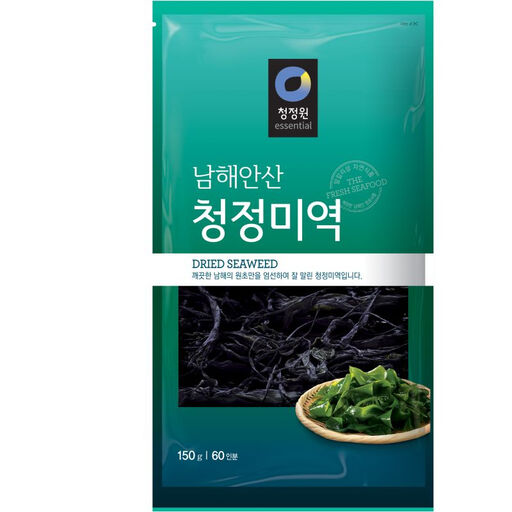
Why This Fits Their Persona: Perfect for home cooks who want to prepare authentic Asian dishes. This product offers pure, unsalted seaweed that is suitable for soups, salads, or as an ingredient for homemade wraps.
The ingredients list is maximally transparent: according to the manufacturer, it contains 100% dried seaweed. This completely sidesteps the pitfall of hidden additives.
Pure ingredient with no additives; versatile for a wide range of recipes; large bulk pack (150g).
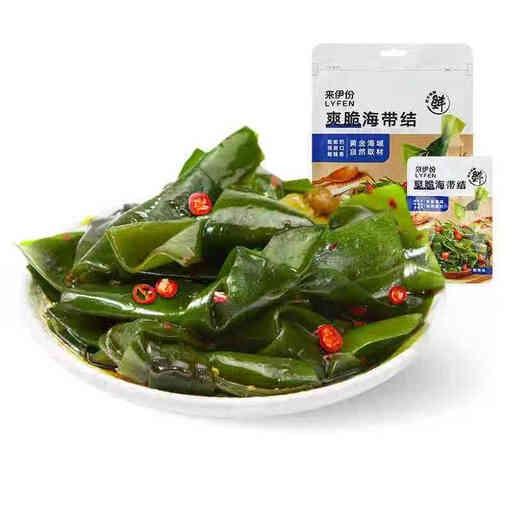
Why This Fits Their Persona: For snackers who pay close attention to nutrition. This product offers a tangy, savoury flavour and an interesting, chewy texture, while being sugar-free and low-calorie at 68 kcal per 100g, according to the manufacturer.
The product description clearly highlights the nutritional values, thus avoiding the pitfall of unexpectedly high calorie or sugar content. The "Kelp Knots" format signals a different texture from thin sheets.
Low-calorie and sugar-free (per manufacturer); unique, chewy texture; individually wrapped for on-the-go snacking.
Explore our full range, carefully curated according to these criteria for a variety of tastes and uses.
To maintain their crispiness, you should always seal opened packages airtight. A resealable bag or an airtight container works well. Store the snacks in a cool, dry place away from direct sunlight. Some products recommend refrigeration after opening—it's always a good idea to check the packaging instructions.
That depends heavily on the specific product. Simple, roasted nori sheets are often very low in calories. However, varieties that are deep-fried in tempura batter or are heavily oiled and seasoned can have a higher fat and calorie content. For a mindful choice, it is essential to compare the nutritional information on the packaging.
The main difference lies in their type and use. Nori consists of thin, roasted sheets that are used directly as a snack or for sushi. Wakame is a type of seaweed sold dried that must be soaked in water before consumption. It becomes soft and is excellent for soups and salads.