
Lieferung heute & morgen

Qualitätsgarantie

Willkommens-Angebote freischalten: KOSTENLOSE Lieferung | Bis zu 80 % RABATT | Kostenlose 30-Tage-JoyPlus-Testphase
App herunterladen
The selection of sesame oil on supermarket shelves or online can be overwhelming. Many home cooks seeking authentic flavour for their Asian dishes are faced with the question of which product is the right one. The wrong choice not only leads to disappointing flavour results but also to wasted money. The most common sources of error are often hidden in the details of the product description and ingredient list.
Two common pitfalls when buying sesame oil are:
This guide will help you avoid these mistakes and buy the right sesame oil that meets your culinary needs.
To make an informed decision, you should check three fundamental parameters. These determine the oil's aroma, intended use, and quality.
The most important distinction lies in the composition. A look at the ingredient list is essential.
The colour of the oil provides a direct clue to its production method and flavour.
Although most sesame oils are made from white sesame seeds, there are also products made from black seeds. Pure black sesame oil often has an even more intense, earthier, and slightly more bitter flavour profile, which is preferred by connoisseurs for certain dishes, especially in Korean and Chinese cuisine.
Here are some recommendations tailored to different needs and use cases.
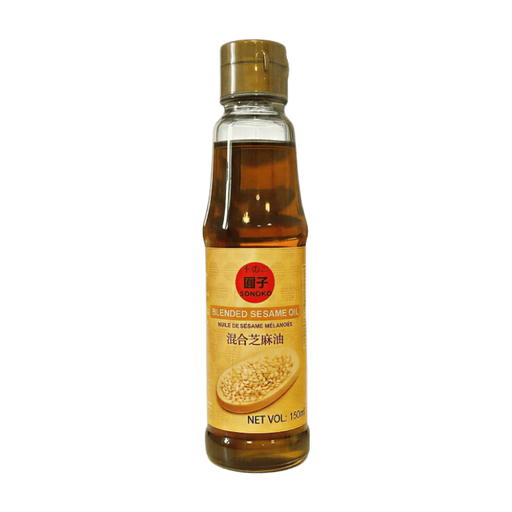
Why This Fits Their Persona: Ideal for those new to sesame oil who don't want to invest in a premium pure oil right away. The blend offers a balanced flavour for everyday use.
The product is clearly labelled as a blend (30% sesame oil, 70% soybean oil). You aren't paying a premium for pure oil and get a product with a milder, more versatile profile.
Economical and versatile for stir-fries, pan-frying, and cold dishes. A great entry point into the world of Asian seasoning oils.
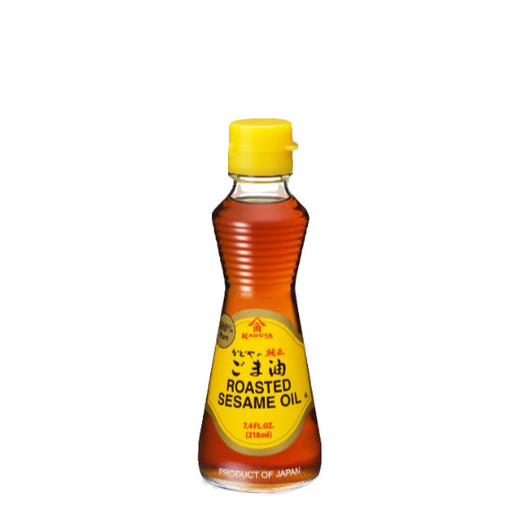
Why This Fits Their Persona: For cooks seeking the unadulterated, robust flavour of toasted sesame oil. This Japanese oil is a classic, perfect for adding a final aromatic touch to dishes.
This is 100% pure sesame oil. You get exactly what's needed for an authentic finishing oil: a pure, unadulterated, and intense aroma with no fillers.
Made in Japan, known for its high quality and deep, nutty, toasted aroma. Ideal as a finishing oil for soups, noodles, and salads.

Why This Fits Their Persona: For advanced cooks looking for a specific, even more intense flavour. Oil from black sesame seeds offers a deeper, more robust, and slightly earthier note than oil from white seeds.
This is a niche product for a specific purpose. It avoids the disappointment of a generic taste by delivering a clear, distinctive profile from 100% black sesame oil.
Offers a unique, powerful aroma. Ideal for dressings, dips, and seasoning dishes that require an especially prominent sesame note.
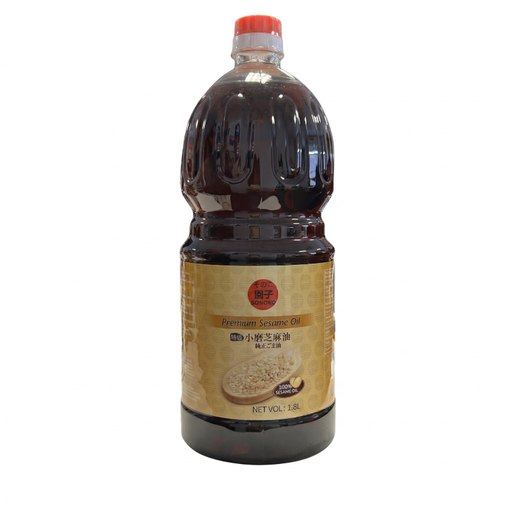
Why This Fits Their Persona: The bulk size is perfect for restaurants, catering services, or families who regularly use large quantities of pure sesame oil as a seasoning.
Buying a bulk container of 100% pure sesame oil offers excellent value for money. This avoids the high costs incurred from repeatedly buying small bottles.
1.8-litre bulk size for professional use or high-consumption households. Guarantees an intense aroma thanks to the use of 100% pure sesame oil.
We've compiled a complete, up-to-date list of products that fully meet these strict selection criteria and quality standards.
No, it is not recommended. Toasted sesame oil has a low smoke point, and its delicate aromatic compounds are sensitive to heat. High heat will burn these aromas, resulting in a bitter taste. Use it as a finishing oil by drizzling it over your completed dish just before serving.
Sesame oil should be stored in a cool, dark place, away from light and heat, as these factors can cause the oil to go rancid. After opening, it is often recommended to keep the bottle tightly sealed in the refrigerator to extend its shelf life and preserve its aroma.
The difference lies in the production process and intended use. Dark sesame oil is made from roasted seeds, which gives it its dark colour and strong, nutty aroma. It is a finishing oil. Light sesame oil is pressed from unroasted seeds, has a milder flavour, and a higher smoke point, making it suitable for cooking at low to medium heat.