
Lieferung heute & morgen

Qualitätsgarantie

Willkommens-Angebote freischalten: KOSTENLOSE Lieferung | Bis zu 80 % RABATT | Kostenlose 30-Tage-JoyPlus-Testphase
App herunterladen
If you’re looking to buy a smartphone, you’ll often start by comparing the price, camera resolution or screen size. But these figures alone won’t tell you whether a device is really right for everyday life in the UK. Network support, storage technology, software update period, battery use and what’s included in the box are important too.
A 50- or 108-megapixel camera can capture plenty of detail in daylight. But image stabilisation, sensor size, lens, software and lighting conditions all affect the actual picture quality. Even an affordable smartphone with a high resolution can struggle with night-time shots or moving subjects.
Some manufacturers add several gigabytes of virtual memory to the stated RAM. This uses the phone’s internal storage and doesn’t work in quite the same way as physical RAM. A moderate amount of RAM is enough for many everyday apps. But if you’re planning to use a gaming smartphone or multitask heavily, check the actual RAM figure.
A rating such as IP54 indicates protection against dust and splashes, not submersion. Even higher ratings don’t guarantee lasting protection against water damage. Some devices also don’t come with a mains charger. Before you buy, check the charging speed, compatible standard and what’s included in the box.
An AMOLED display typically offers deep blacks and high contrast. A 90 or 120 Hz refresh rate makes scrolling feel smoother, although a higher refresh rate can affect battery life. If you read a lot or watch videos, also check the resolution, brightness and overall dimensions.
A 5G smartphone makes sense if your mobile plan and location support 5G. If you need two phone numbers, a dual-SIM smartphone could be a good option. Check whether the second slot can also be used for a microSD card. NFC enables features such as contactless payments, but you’ll also need a compatible app, authorisation from your bank and suitable infrastructure.
Battery capacity, measured in mAh, is useful for comparisons, but it doesn’t tell you exactly how long a charge will last. Screen brightness, searching for a network, gaming and camera use all affect power consumption. When choosing a smartphone with long battery life, consider charging speed and power management as well as capacity.
When it comes to storage, 128 GB may be enough for calls, streaming and the occasional photo. If you store lots of videos, games or offline maps, choose a smartphone with plenty of storage. A microSD card is a handy way to expand it, if the model supports one. The promised security and system updates also matter if you want to keep your phone for longer.
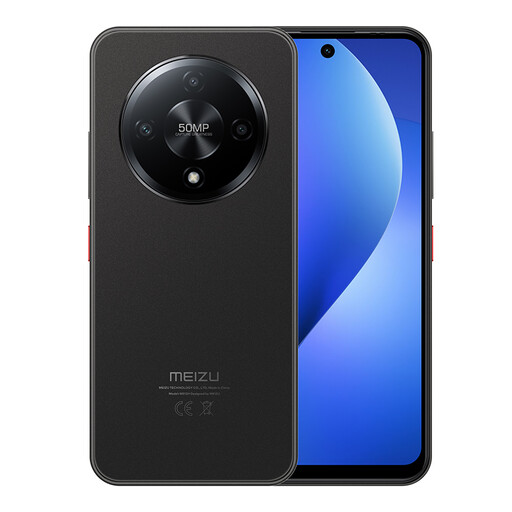
Why it suits this type of user: This Android smartphone combines 8 GB RAM, 256 GB storage, a 5000-mAh battery and NFC for everyday tasks, media and contactless features.
The storage and battery capacities are clearly stated. Note that, according to the product details, this model supports 4G and doesn’t include a charger.
6.79-inch display with up to 120 Hz, 50-MP main camera, 5000 mAh battery and 18-W charging.
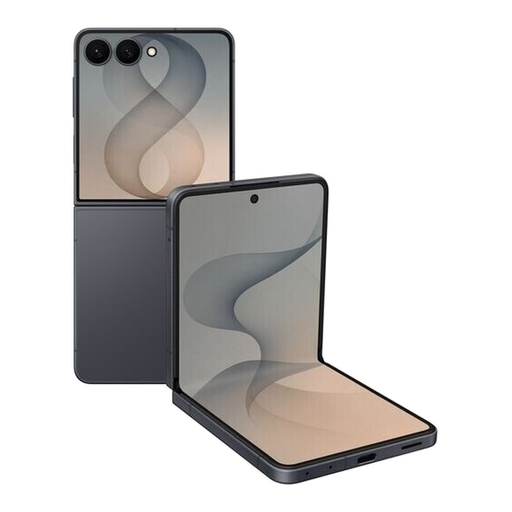
Why it suits this type of user: This foldable smartphone pairs a 6.9-inch Dynamic AMOLED 2X main display with a 4.1-inch cover display. It’s designed for anyone looking for a compact phone with plenty of features.
The specifications list the storage, dual SIM with Nano-SIM and eSIM, and IP48 rating. Even so, take care to protect the foldable display from pressure, knocks and objects caught when closing the phone.
5G, 12 GB RAM, 256 GB storage, 50-MP camera with OIS, NFC and wireless charging.
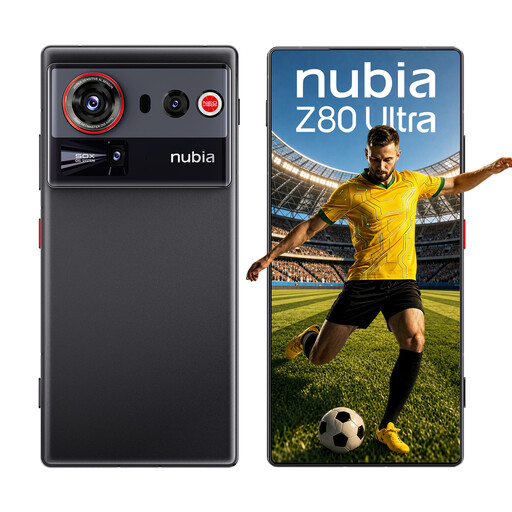
Why it suits this type of user: This device is aimed at tech enthusiasts, mobile photographers and gamers. Key features include 16 GB RAM, 512 GB storage, a 144-Hz AMOLED display, NFC and dual SIM.
The impressive specifications are backed up by concrete figures: 6600 mAh, 80-W charging and Wi-Fi 7. According to the product details, you’ll need a compatible charger to reach the full charging speed.
Snapdragon platform, 35-mm main camera, 144 Hz and generous storage for games, videos and photos.
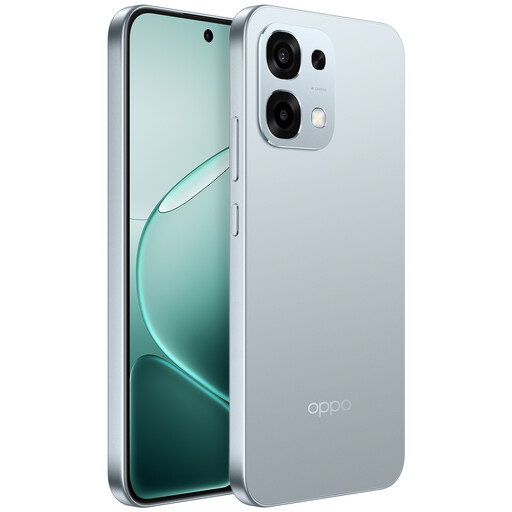
Why it suits this type of user: This OPPO smartphone offers 8 GB RAM, 256 GB storage, a 6.57-inch AMOLED display and dual SIM with eSIM support, making it well suited to work, streaming and everyday communication.
Despite its advertised IP69 rating, bear in mind that water resistance can decrease over time and if the phone is damaged. Only use it underwater in line with the manufacturer’s instructions.
6500 mAh, 80-W SUPERVOOC charging, 5G, 120 Hz and 256 GB storage.
We’ve put together a complete, regularly updated list of products that meet these strict selection criteria and fully comply with the safety regulations in force in the EU.
128 GB may be enough for calls, messaging and streaming. If you take lots of photos, shoot 4K videos, play games or save content for offline use, 256 GB or more is a sensible choice. A microSD card offers extra flexibility, but not every model supports one.
How long a phone remains useful depends on battery wear, care, repair options and software updates. A device with promised security updates, enough storage and a replaceable or well-supported battery could remain practical for longer. Protection ratings can’t prevent every kind of damage from drops or liquids.
Alongside the purchase price, you may need to budget for mobile service, optional accessories, screen protection and repairs, depending on how you use your phone. A 5G smartphone requires a compatible plan. Remember to include the cost of a charger if one isn’t supplied.