
Lieferung heute & morgen

Qualitätsgarantie

Willkommens-Angebote freischalten: KOSTENLOSE Lieferung | Bis zu 80 % RABATT | Kostenlose 30-Tage-JoyPlus-Testphase
App herunterladen
Socks are among the garments worn every day and washed frequently. Even so, many shoppers choose them based solely on colour, pack size or a low price. This can result in socks slipping down, pressing on the toes or losing their shape after a short time. If you want to compare socks online, you should therefore consider the material, fit and intended use together.
A multipack may seem practical at first glance. However, what matters is whether the size included actually fits your foot. Socks that are too small can feel tight around the heel and toes, while socks that are too large may bunch up inside your shoes. Before buying, you should compare your EU shoe size with the size chart for the product in question. International sizes such as US or UK sizes cannot always be converted directly.
Terms such as ‘breathable’, ‘moisture-wicking’ or ‘antibacterial socks’ often describe particular material or construction features, but on their own they say little about whether the socks suit you personally. Cotton can feel comfortable, but it dries more slowly than some synthetic fibres when you sweat heavily. For sport and running, material blends, mesh structures and suitable cushioning are therefore important.
When hygiene properties are advertised, you should read the specific product description and care instructions. According to the product information, the Utree model is described as having a ‘10A antibacterial’ property. This should be understood as manufacturer or product information and does not replace your own assessment or constitute a medical claim.
An elasticated cuff should keep the sock in place without cutting in uncomfortably. Flat or seamless toe areas can be more practical for sensitive feet. A shaped heel is also important: it reduces the likelihood of the sock slipping down as you walk or twisting inside your shoe.
The right length depends on your shoes and the occasion:
You should also check the actual size range covered. A range such as EU 35–38 is not the same as EU 39–42, even if both are described as standard sizes.
Cotton socks are often an obvious choice for everyday wear and the office. A high cotton content can feel soft, but for sporting activities, a blend containing polyester, polyamide or elastane may offer benefits in terms of drying, shape retention and stretch.
For sports socks and running socks, the following details are relevant:
Merino socks may be worth considering in cooler conditions. With a merino blend, you should check the exact wool content, as the material properties change according to the composition.
The lifespan of your socks depends on the washing temperature, drying method, inside of your shoes and how often you wear them. Care instructions such as ‘wash at 40 °C’ or ‘do not tumble dry’ should be followed. Air drying can be beneficial for elasticated fibres and wool blends. A sock multipack reduces the pressure to wash individual pairs and is practical for households where socks are changed regularly.
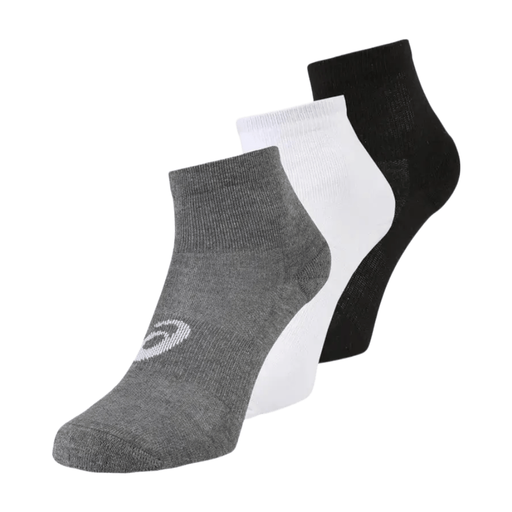
Why this product suits the profile: The 3-pack offers an accessible starting point for everyday wear, fitness and occasional running. Depending on the variant, sizes range from EU 35–38 to EU 47–49.
The size and material details are clearly specified. This makes it easier to assess your choice than with general comfort claims.
69% cotton, 24% polyester, 5% polyamide and 2% elastane; machine washable at 40 °C.
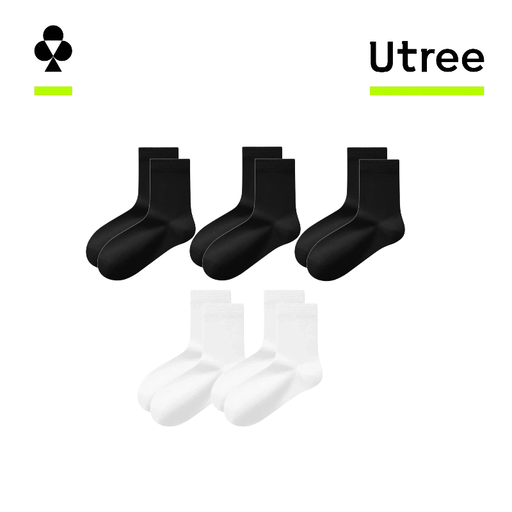
Why this product suits the profile: The mid-calf design in black and white is made for the office, commuting and leather shoes.
A flat toe seam, elasticated opening and shaped 3D heel address common issues with pressure, slipping and creasing.
According to the product information, 100% cotton with no elastane; shape retention and anti-pilling level 3–4 are also stated.
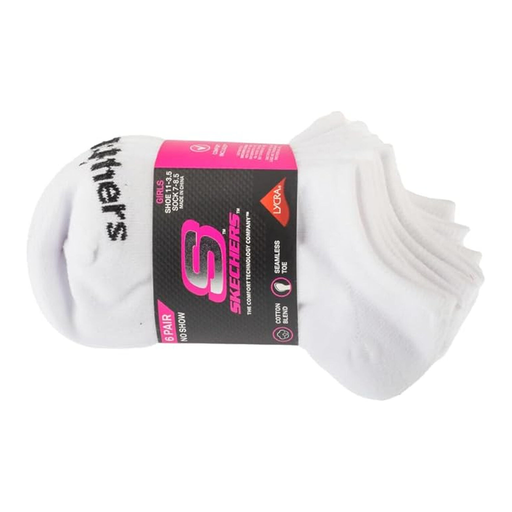
Why this product suits the profile: A 6-pack in white for children’s sizes 27.5–35.5 can make daily sock changes easier for families.
The sizing is described not only as a children’s size, but also in a size chart with US and UK values.
Six pairs per pack; according to the product information, 100% polyamide and suitable for air drying.
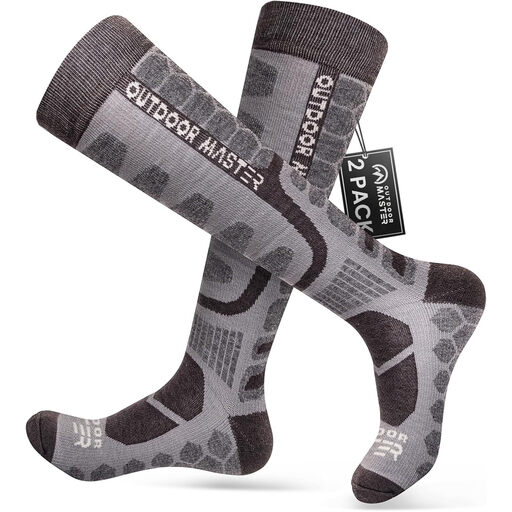
Why this product suits the profile: The knee-high design is intended for winter sports and cold outdoor activities; the pack contains two pairs in size EU 39–42.
The intended use, length, size and 30% wool content are clearly stated. This prevents confusion with thin everyday socks.
30% merino wool blend, reinforced cushioning zones and specified compression areas; air drying is recommended.
We have put together a complete, regularly updated list of products that fully meet these strict selection criteria and the safety regulations applicable in the EU.
For everyday wear, cotton socks, trainer socks or quarter socks in the right size with an elasticated opening are often practical choices. On long days in the office, ankle-length or calf-length styles with a flat toe seam may feel more comfortable. The key is finding the right combination of shoes, foot shape and preferred length.
Socks should be changed after wearing, especially in warm weather, during sport or when you sweat more heavily. Multipacks make it easier to change socks regularly. After washing, follow the care instructions to help preserve the elastane, shape and material structure for as long as possible.
Compression socks apply targeted pressure and therefore differ from ordinary sports socks. Before buying, you should check the size, compression level and intended use. If you have health concerns or existing conditions, individual medical advice is recommended.