
Lieferung heute & morgen

Qualitätsgarantie

Willkommens-Angebote freischalten: KOSTENLOSE Lieferung | Bis zu 80 % RABATT | Kostenlose 30-Tage-JoyPlus-Testphase
App herunterladen
Soju has evolved from a Korean national drink into a globally cherished phenomenon, gaining significant traction in markets worldwide. Whether featured prominently in K-dramas or served alongside Korean barbecue, the small green bottles are ubiquitous. However, first-time buyers are often faced with a daunting selection and several pitfalls that can mar the experience. This guide will help you avoid the most common mistakes and make an informed decision.
Soju's growing popularity has led to a wide range of options, but also to some misunderstandings. Uninformed shoppers are often left disappointed. Pay attention to the following points:
To find the right Soju for your palate, you should consider three key characteristics. These will help you correctly interpret product descriptions and make an educated choice when you order Soju online.
Alcohol content is a direct indicator of the Soju's character.
The smoothness and purity of a Soju depend heavily on its production process. Modern Sojus, like those from Jinro Soju, are often filtered multiple times through bamboo charcoal. This process removes impurities and results in an exceptionally clean and mild taste, without the harsh finish known from other spirits. While rice was the traditional base, other starches like sweet potatoes, tapioca, or barley are now used, which also leads to flavor variations.
Your personal preference is key.
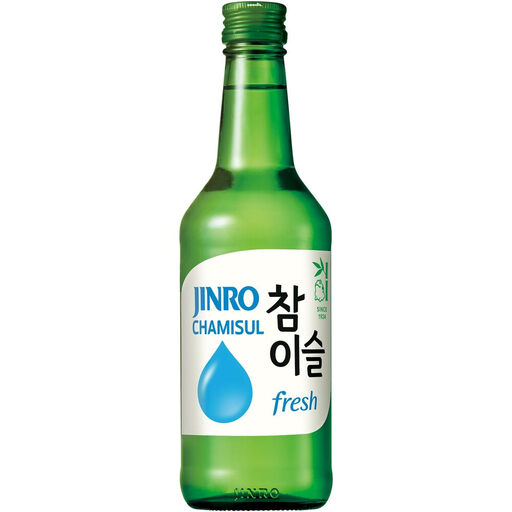
Why it's a great fit: With its moderate alcohol content and extremely smooth flavor profile, this Soju is the ideal entry point. It's not overwhelming and represents the modern, popular Soju style many know from media.
It prevents the disappointment of a first impression that is too strong or has an unfamiliar taste. Its mildness makes it accessible without hiding its authentic Soju character.
The bamboo charcoal filtration ensures exceptional purity and a smooth finish. Versatile enough to be enjoyed neat or in cocktails.
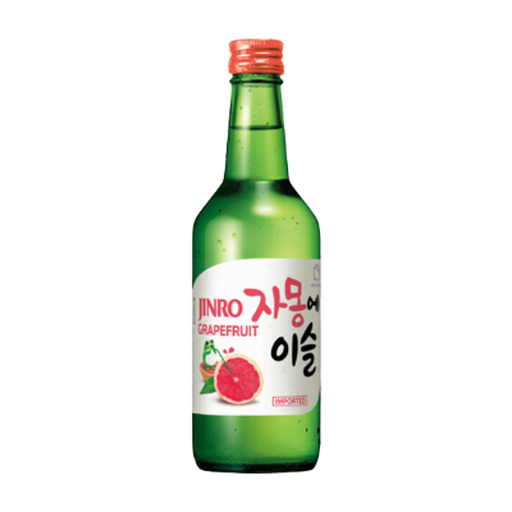
Why it's a great fit: For anyone who prefers sweet and fruity beverages. The combination of smooth Soju and the tart-sweet grapefruit aroma is refreshing and easy to drink.
This product is clearly labeled as a flavored variety. It prevents buyers who dislike a neutral spirit taste from having a negative experience with Soju.
The low 13% alcohol content makes it a light drink. It tastes great chilled on its own or simply topped with a splash of sparkling water.
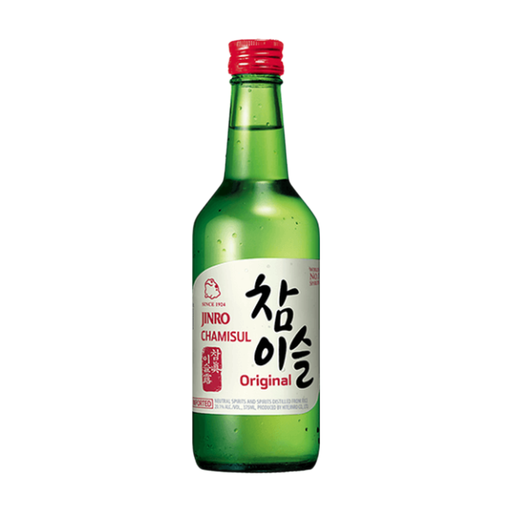
Why it's a great fit: For those seeking the original, more robust Soju flavor. At 20.1% ABV, it's more potent and serves as an excellent companion to an authentic Korean meal.
This version is specifically aimed at connoisseurs. It bypasses the pitfall of choosing a Soju that is too light or sweet when a strong, traditional character is desired.
The higher alcohol content provides a fuller-bodied taste experience that stands up well to the intense flavors of ingredients like gochujang or garlic.
We've curated a complete, up-to-date list of products that fully meet these strict selection criteria and local regulations.
Traditionally, Soju is served chilled and drunk neat from small, special Soju glasses. In a group setting, it's customary to pour for others rather than filling your own glass. When pouring for or receiving a drink from an elder, hold the glass or bottle with both hands as a sign of respect.
The fundamental difference lies in the production method. Soju is a distilled spirit, similar to vodka or gin, which can be made from various starches. Sake is a Japanese rice wine created through fermentation (brewing), similar to beer. This results in completely different flavor profiles and alcohol strengths.
An opened bottle of Soju should be tightly resealed and stored in the refrigerator. Due to its alcohol content, it won't spoil quickly, but the flavor can diminish over time. It is recommended to consume an opened bottle within a few weeks to a few months to ensure the best taste experience.