
Lieferung heute & morgen

Qualitätsgarantie

Willkommens-Angebote freischalten: KOSTENLOSE Lieferung | Bis zu 80 % RABATT | Kostenlose 30-Tage-JoyPlus-Testphase
App herunterladen
Anyone looking to buy soy milk is often faced with a daunting array of options. The selection ranges from chilled drinks to shelf-stable powders, from sugar-free to exotic flavors. However, not every product marketed as a healthy alternative delivers on its promise. This guide will help you identify the key quality indicators and avoid common purchasing pitfalls.
Choosing the wrong product not only leads to disappointment in taste but also to wasted money. Pay close attention to these three points to make an informed decision.
To find the right soy milk for your needs, you should check three key criteria. This information is typically found directly on the packaging in the ingredients list and the nutritional facts table.
The percentage of soybeans is a direct indicator of quality and flavor. A higher soybean content results in a richer, nuttier flavor and greater nutritional value. Pay attention to the protein content per 100g or 100ml. A protein-rich soy drink is a good plant-based protein source, making it particularly suitable for a fitness-focused diet. Products with a soybean content below 8% for drinks or below 40% for powders are often of lower quality.
A look at the nutritional facts table is essential. Distinguish between "no added sugar" and "sugar-free." Products labeled as unsweetened soy milk often naturally contain a small amount of sugar from the soybeans themselves. Other products without added sucrose (table sugar) may still be sweetened with malt syrup or other sweeteners. Check the "of which sugars" line to assess the total sugar content.
Both formats have their merits and cater to different usage habits.
Here are some recommendations tailored to different needs and preferences.
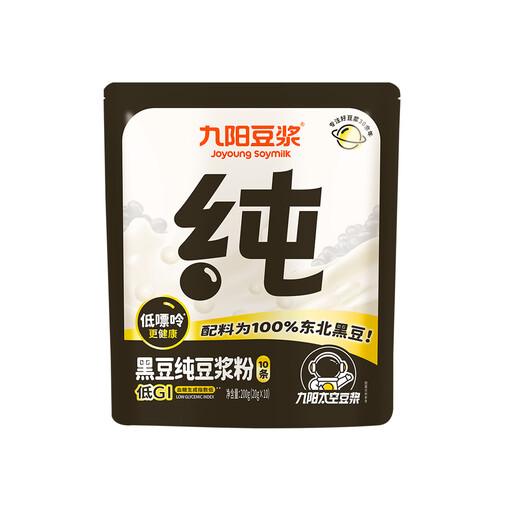
Why This Fits Their Persona: Ideal for those seeking maximum nutritional value with zero additives. The single-serving packets are convenient for post-workout preparation or as a protein-rich addition to cereal.
According to the ingredients list, it's made of 100% black soybeans. It completely avoids the pitfalls of hidden sugar and low soy content.
Extremely high protein content of 42g per 100g. No additives, no added sugar. A pure, unadulterated ingredient.
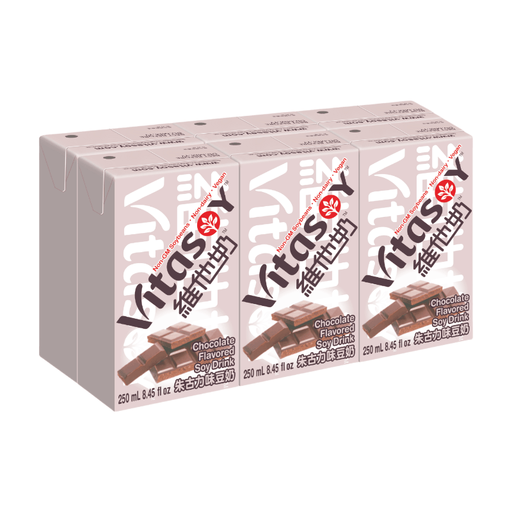
Why This Fits Their Persona: For anyone seeking the classic taste of Asian soy milk popular across Asia. Vitasoy is a well-known brand, and this beverage is less of a health drink and more of an indulgent treat.
This product is transparently positioned as a sweetened chocolate soy drink. It doesn't feign excessive health benefits and delivers the expected, authentic flavor.
Authentic taste from an established brand. Convenient 250ml format in a 6-pack, ideal for on-the-go or stocking up.
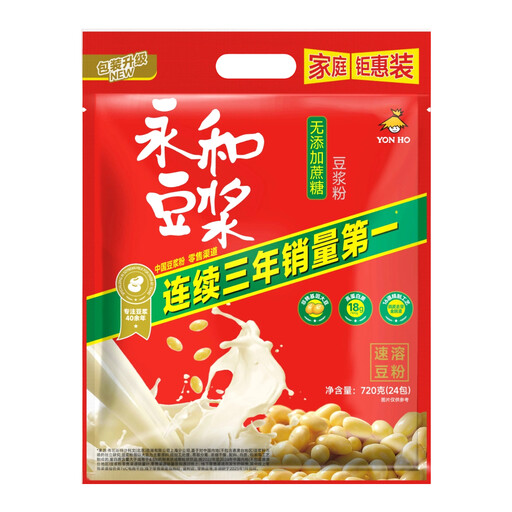
Why This Fits Their Persona: Perfect for regular use in households that value shelf life and flexibility. The bulk package is economical, and the powder is versatile enough for everything from drinks to cooking.
According to the ingredients list, this powder contains no added table sugar (sucrose). It avoids the trap of waste from large liquid cartons and offers a high soybean content of ≥55%.
Excellent value for money due to the large quantity. Long shelf life and flexible dosing. A solid protein content of 18g per 100g.
We have compiled a complete, up-to-date list of products that fully meet these strict selection criteria and local regulations.
To avoid lumps, first put the soy milk powder into a cup. Add a small amount of lukewarm or warm water and stir it into a smooth paste. Only then should you pour in the remaining liquid while stirring continuously. Using a small whisk or a milk frother can also help.
Legally, within the EU, only milk from mammals can be labeled as "milk." Plant-based alternatives must therefore be declared as a "drink" or "beverage." In common parlance, however, the terms "soy milk" and "soy drink" are often used synonymously to refer to the same product.
Yes, both soy drinks and soy milk made from powder are very versatile. Unsweetened varieties are excellent for savory dishes like creamy sauces, soups, or mashed potatoes. Sweetened or flavored drinks can be used in baking recipes, desserts, smoothies, or cereal. Be sure to adjust the recipe's sugar content accordingly.