
Lieferung heute & morgen

Qualitätsgarantie

Willkommens-Angebote freischalten: KOSTENLOSE Lieferung | Bis zu 80 % RABATT | Kostenlose 30-Tage-JoyPlus-Testphase
App herunterladen
Anyone who has ever stood before a shelf of Asian condiments knows the challenge: dozens of bottles that look nearly identical at first glance. The attempt to buy the right soy sauce often ends with a compromise in the shopping basket. But choosing the right sauce is crucial to a dish's success. The wrong decision can compromise the flavour or give your food an undesirable colour.
This guide will help you avoid the most common pitfalls and make an informed decision that suits your cooking style.
Common Mistakes When Buying Soy Sauce:
To find the right soy sauce for your kitchen, two factors are crucial: the type of sauce and its production method.
Soy sauces can be broadly divided into three main categories, which differ significantly in taste, consistency, and use.
The quality of a soy sauce depends significantly on how it is made.
A look at the label is therefore essential. A short ingredient list without artificial additives is usually an indicator of a naturally brewed product. The phrase "naturally brewed" is also a good sign.
Here are some recommendations tailored to different needs and cooking styles.
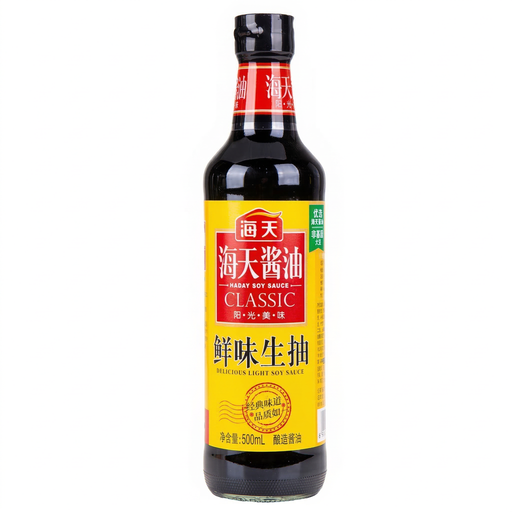
Why this product is a good fit: Ideal for anyone looking for a reliable, light soy sauce for daily seasoning, stir-frying, and dipping. It's a versatile foundation for most Asian dishes.
This product is clearly labelled as a light soy sauce, thus avoiding the "one-for-all" trap. According to the manufacturer, it contains no added MSG, which bypasses the misleading labels trap.
Balanced umami flavour from a traditional brewing process that seasons dishes without overpowering them.
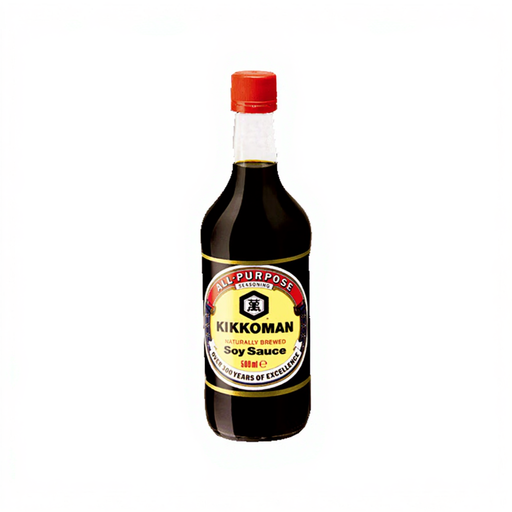
Why this product is a good fit: Perfect for sushi, sashimi, and as a base for Japanese sauces like teriyaki. Its clean, balanced taste respects the delicate flavours of high-quality ingredients.
Bypasses the misleading labels trap through maximum transparency: according to the manufacturer, the ingredient list consists of only four components. The focus is on the natural brewing process.
Naturally brewed for an exceptionally smooth, complex flavour that is typical of a high-quality Japanese soy sauce.
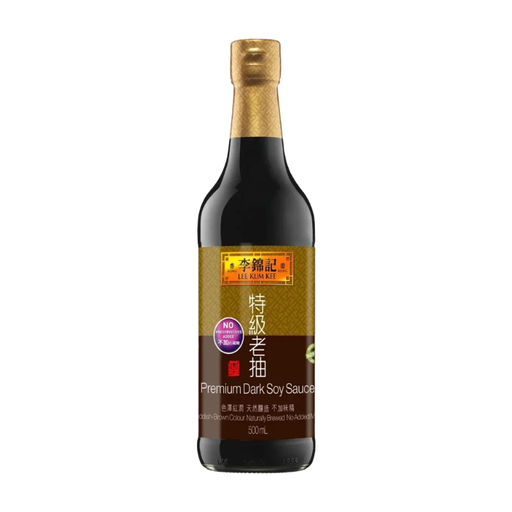
Why this product is a good fit: Indispensable for cooks who want to prepare authentic braised dishes. This sauce gives meat and vegetables the characteristic deep red colour and a rich flavour note.
Solves the problem of accidentally using the wrong type of sauce. The product description makes it clear that this sauce is primarily for colouring, not for salting.
Gives dishes an intense caramel colour and a depth of flavour that cannot be achieved with light soy sauce alone. A small amount is all you need.
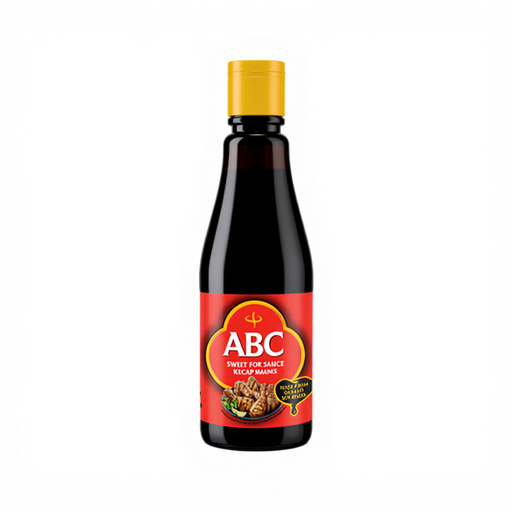
Why this product is a good fit: This is the authentic choice for Indonesian dishes. Its thick, sweet consistency is the foundation for Nasi Goreng and a perfect glaze for grilled foods.
This product is clearly marked as a sweet soy sauce (Kecap Manis), preventing confusion with conventional salty soy sauces. It serves a very specific culinary purpose.
Offers a unique sweet-and-salty flavour profile and a syrupy consistency that is essential for Southeast Asian cuisine.
We have compiled a complete, up-to-date list of products that fully meet these strict selection criteria.
Due to its high salt content, soy sauce has a very long shelf life. After opening, it should be stored in a cool, dark place, ideally in the refrigerator. This way, it will retain its flavour for many months, often even beyond the best-before date. A change in colour or smell is an indication that it should no longer be used.
The most reliable indicator is the ingredient list. A naturally brewed soy sauce typically contains only water, soybeans, wheat, and salt. Look for phrases like "naturally brewed" or "traditionally fermented." Products with a long list of additives such as colourings, flavour enhancers (e.g., E621), and preservatives are likely not made in the traditional way.
Substitution is not recommended, as they serve different functions. If you replace light soy sauce with dark, your dish will become too dark and not salty enough. If you replace dark soy sauce with light, your dish will lack the desired colour and depth of flavour. For an authentic result, it is advisable to have both types on hand in your kitchen if you regularly cook Asian food.