
Lieferung heute & morgen

Qualitätsgarantie

Willkommens-Angebote freischalten: KOSTENLOSE Lieferung | Bis zu 80 % RABATT | Kostenlose 30-Tage-JoyPlus-Testphase
App herunterladen
The selection of sparkling wines on the shelf can be overwhelming. Sekt, Champagne, Prosecco, Crémant—the labels promise a lot, yet the differences are often unclear. This can easily lead to purchasing decisions that don't meet expectations. Many people either reach for the most famous name or the cheapest offer, without knowing if the product is right for the occasion.
Two common pitfalls when buying sparkling wine are:
This guide will help you navigate these pitfalls and make an informed decision the next time you buy sparkling wine or order sparkling wine online.
To find the right Sekt, Champagne, or Prosecco, three objective criteria are crucial. They provide insight into the quality, taste, and character of the sparkling wine.
The production method has a direct impact on the fineness of the perlage (the bubbles) and the complexity of the aromas.
The sweetness level is determined by the residual sugar content (dosage) added after fermentation. The designations are regulated throughout the EU but can be perceived differently depending on the type of wine. For Sekt, Champagne, and other quality sparkling wines, the following levels apply:
A German trockener Sekt (dry) is therefore noticeably sweeter than a Sekt Brut.
The grape varieties used shape the fundamental aroma of the sparkling wine. Chardonnay brings freshness and elegance, Pinot Noir provides body and structure, and Riesling delivers distinctive fruit and acidity. Protected designations of origin such as Champagne (from Champagne, France), Cava (from Spain), or Prosecco DOC (from Northeast Italy) also guarantee specific production standards and a regionally typical character.
Here are some recommendations tailored to different needs and occasions.
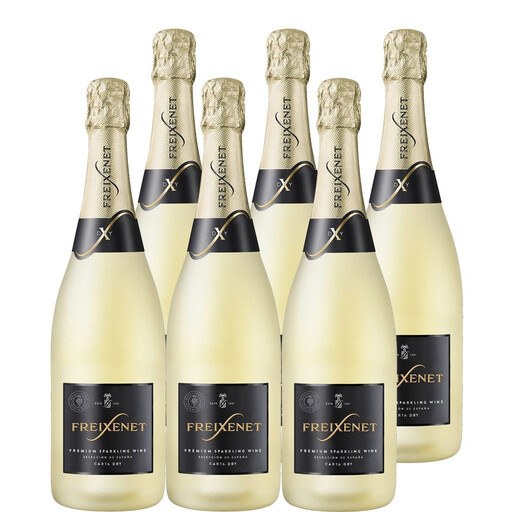
Why This Fits Their Persona: Ideal for celebrations or for stocking up. This Cava offers a reliable taste experience and great value for money, especially in the 6-bottle case. It is excellent as an aperitif or for a large group of guests.
You get a sparkling wine made using the traditional method (Cava) without paying the premium for the "Champagne" name. The "Seco" sweetness level is clearly defined, offering a pleasant, not-too-tart profile.
Made using traditional bottle fermentation. Versatile with food pairings. Convenient 6-pack for stocking up.
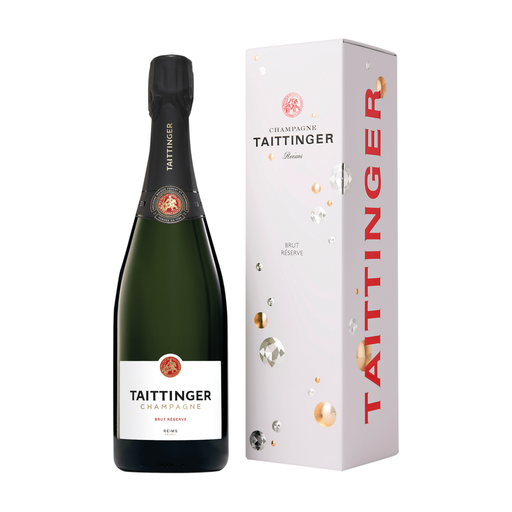
Why This Fits Their Persona: For special moments like sparkling wine for New Year's Eve, anniversaries, or as a high-quality sparkling wine gift. This Champagne represents established quality and an elegant, balanced style appreciated by connoisseurs.
You are investing in a Champagne whose quality and reputation justify the price. The "Brut" classification guarantees a dry, harmonious taste that has universal appeal and is not too sweet.
High proportion of Chardonnay for finesse. Long ageing period provides complex aromas of brioche and fruit. A symbol of festive occasions.
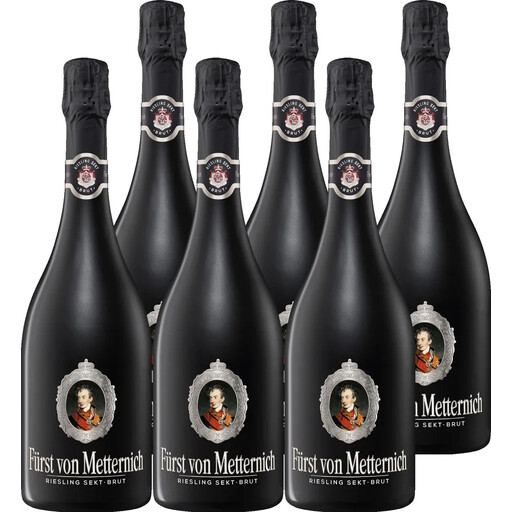
Why This Fits Their Persona: Perfect for lovers of the Riesling grape who are looking for a high-quality German Sekt. This single-varietal Sekt shows that excellent sparkling wine doesn't have to come from France and offers a refreshingly fruity taste profile.
This Sekt refutes the prejudice that only Champagne can be complex and elegant. As a "Brut," it is clearly defined as dry, avoiding the unexpected sweetness of some Sekt wines labelled as "trocken" (dry).
100% Riesling from German wine-growing regions. Balanced, fruity character with refreshing vibrancy. Represents German Sekt culture at a high level.
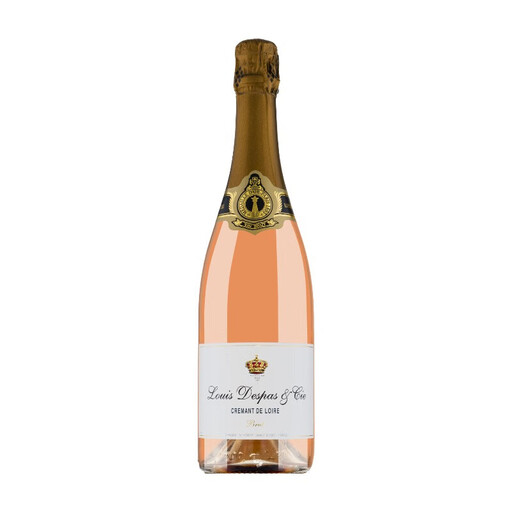
Why This Fits Their Persona: For anyone who prefers an elegant Rosé Sekt or sparkling wine. This Crémant de Loire Rosé is a stylish alternative to Rosé Champagne and impresses with fruity notes of red berries and a fine freshness.
Classified as "Brut," it avoids the trap of many overly sweet rosé sparkling wines. It offers the quality of traditional bottle fermentation at an attractive price compared to many Rosé Champagnes.
Made from 100% Cabernet Sauvignon. Aged for at least 12 months for greater complexity. Excellent as an aperitif or with light dishes.
We have compiled a complete, up-to-date list of products that meet these strict selection criteria and quality standards.
The main difference lies in the origin and, often, the production method. Champagne can only come from the Champagne region of France and is made using traditional bottle fermentation. Sekt is the German term for quality sparkling wine; high-quality versions also use bottle fermentation. Prosecco comes from designated regions in Italy and is usually produced using the tank method, which makes it fruitier.
For short-term storage (a few weeks), you can keep the bottles upright in a cool, dark place. For longer storage, especially for bottles with natural corks, it is recommended to store them lying down so that the cork remains moist and does not dry out. Direct sunlight and temperature fluctuations should be avoided.
The ideal serving temperature for most sparkling wines like Sekt, Crémant, or Champagne is between 6 and 8 °C (43–46 °F). At this temperature, the aromas are best expressed without the carbonation escaping too quickly. A refrigerator is well-suited for this; however, avoid the freezer, as this can damage the aroma.