
Lieferung heute & morgen

Qualitätsgarantie

Willkommens-Angebote freischalten: KOSTENLOSE Lieferung | Bis zu 80 % RABATT | Kostenlose 30-Tage-JoyPlus-Testphase
App herunterladen
The world of sparkling wine can be overwhelming. Whether for a special occasion, an aperitif, or a gift, finding the right bottle isn't always straightforward. Many shoppers gravitate towards familiar brand names or eye-catching labels, but these superficial criteria often lead to a disappointing choice. Before you next order sparkling wine online, it's essential to understand the most common pitfalls to make an informed decision.
This guide, created by the Joybuy Product Recommendation Officer, will help you identify the key quality markers and find the perfect sparkling wine for your taste and occasion.
To avoid disappointment, focus on three objective criteria. These will help you assess the quality and character of a sparkling wine, independent of marketing promises.
The taste profile is one of the most crucial selection criteria. The terms on the label indicate the residual sugar content per litre. Here is a guide from driest to sweetest:
A dry sparkling wine like a Brut is an excellent aperitif, while a sweet sparkling wine like a Demi-Sec or Dolce pairs beautifully with desserts.
The designation of origin provides crucial clues about style and quality.
These Italian terms describe the level of carbonation pressure in the bottle.
Here are some recommendations tailored to different profiles and occasions, designed to help you avoid the common pitfalls.
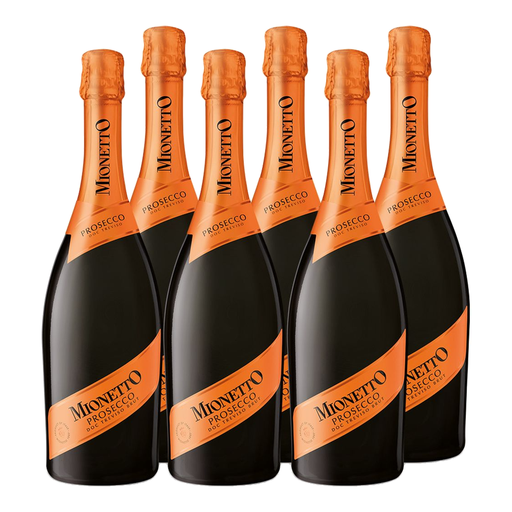
Why This Fits Their Persona: Ideal for parties, receptions, or as a base for cocktails. This Prosecco from Mionetto offers reliable quality and an approachable taste that appeals to a wide range of guests. The 6-pack is convenient for stocking up.
As a Spumante Brut, it delivers the expected robust effervescence and dry profile that shines as an aperitif. It avoids the disappointment of an overly sweet 'Extra Dry' or a too-gentle Frizzante.
Fruity bouquet of Golden Delicious apples and pears; fine, persistent bubbles; highly versatile.
Why This Fits Their Persona: For anniversaries, holidays, or as a high-end gift set. This Champagne embodies elegance and tradition, making it a choice for moments that deserve special recognition.
As a genuine Champagne from Reims, it meets the strict criteria for origin and production. The 'Brut' designation ensures the classic, dry, and complex style expected from a premium product.
High Chardonnay content for finesse; aged 36 months on the lees for aromas of citrus, white flowers, and brioche; comes in a gift box.
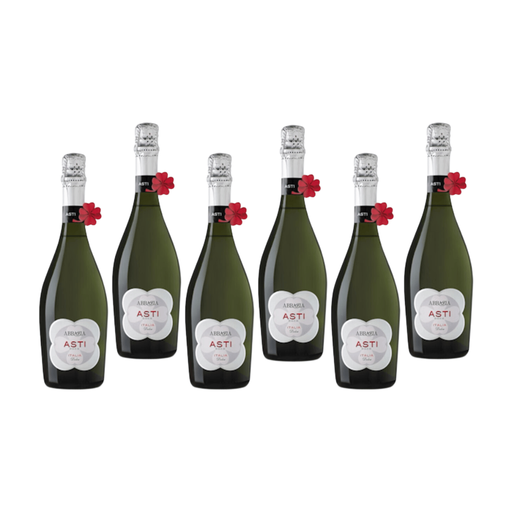
Why This Fits Their Persona: Perfect for those who prefer a sweeter, fruit-forward taste experience. This Asti is an excellent companion to fruit desserts and cakes, or simply as a light, easy-drinking treat in the afternoon.
The Asti DOCG designation and the term 'Dolce' (sweet) make it clear that this is a sweet sparkling wine. The DOCG seal guarantees its origin from Piedmont and the use of the highly aromatic Muscat grape.
Intense aromas of Muscat grapes, blossoms, and citrus fruits; pleasant sweetness balanced by acidity; lower alcohol content (7.5% ABV).
We have curated a complete, real-time list of products that fully satisfy these strict selection criteria.
The main differences lie in their origin, grape varieties, and often the production method. Champagne comes exclusively from the Champagne region of France and is made using traditional bottle fermentation. Sekt is German sparkling wine, with quality that varies depending on the production method. Prosecco is from Northern Italy (usually tank-fermented) and is known for its fruity character.
Store sparkling wine bottles in a cool, dark place with a consistent temperature (ideally 10–15°C / 50–59°F). For short-term storage (a few months), bottles can be kept upright. For long-term storage, especially for bottles with natural corks, laying them on their side is recommended to prevent the cork from drying out.
The ideal serving temperature depends on the style. Lighter sparkling wines like Prosecco or Rosé Sekt are best served well-chilled at 6–8°C (43–46°F). More complex, non-vintage Champagnes unfold their aromas better at 8–10°C (46–50°F). High-quality vintage Champagnes can even be enjoyed at 10–12°C (50–54°F).