
Lieferung heute & morgen

Qualitätsgarantie

Willkommens-Angebote freischalten: KOSTENLOSE Lieferung | Bis zu 80 % RABATT | Kostenlose 30-Tage-JoyPlus-Testphase
App herunterladen
The world of sparkling wine can be overwhelming. Whether it's for a festive reception, a gift, or an evening treat, finding the right bottle isn't always easy. Many shoppers default to familiar brands out of habit or are swayed by labels that don't always deliver on their promise. This guide will help you avoid common pitfalls and make an informed decision.
A frequent issue is the confusion over terminology. A sparkling wine labelled "dry" often tastes sweeter than expected, and the difference between Sekt, Prosecco, and Champagne isn't always clear. Another pitfall is assuming that a high price automatically guarantees high quality. Often, consumers are paying for elaborate marketing, when there are products available that offer better value for money.
To avoid disappointment, it helps to understand two fundamental parameters: the type of sparkling wine and its sweetness level. These criteria are key in determining the taste experience.
Not all bubbles are created equal. The origin and production method define the character and name of the drink.
The term on the label (e.g., Sekt trocken or Sekt halbtrocken) refers to the residual sugar content and is often a source of confusion. The German classification differs from the international one.
A Sparkling Rosé can be found in any of these sweetness levels and gets its colour from contact with red grape skins.
Here are a few recommendations tailored to different needs and occasions.
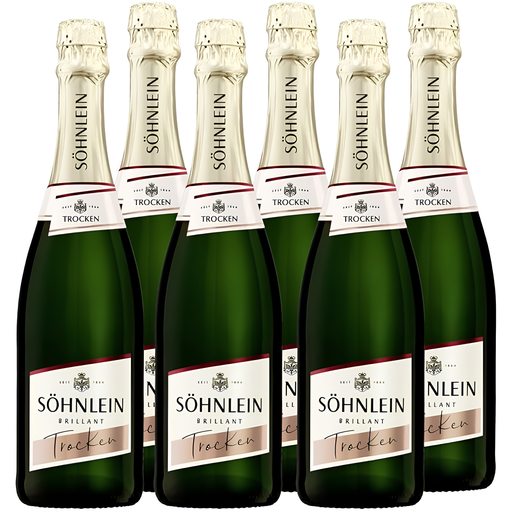
Why This Fits Their Persona: Ideal for celebrations, parties, or receptions where a reliable and approachable sparkling wine is needed in larger quantities. The 6-pack offers excellent value for money for hosts.
You get a classic German Sekt clearly labelled "trocken" (dry), which aligns with the German taste profile—meaning it's not overly tart. This helps you avoid serving a wine that's too acidic for a diverse group of guests.
A balanced Cuvée with a fine fruit aroma. The convenient 6-pack simplifies planning and shopping for events.
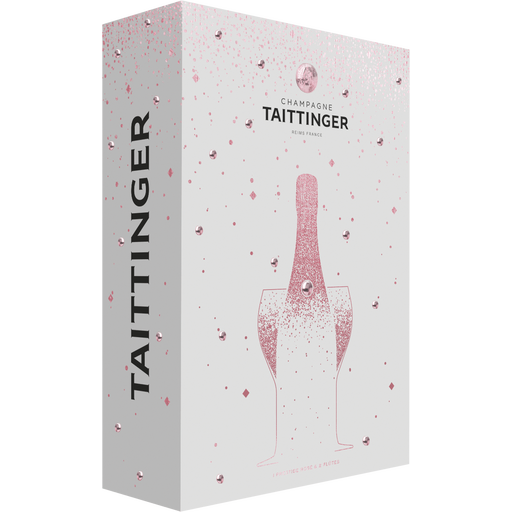
Why This Fits Their Persona: Perfect for special moments, anniversaries, or as a high-quality gift. This set is aimed at those who value prestige, elegance, and a complete experience.
Instead of just paying a high price for a name, you're investing in a product with verifiable provenance (Champagne) and added value from the matching glasses. It's a deliberate premium choice, not an uninformed grab from the top shelf.
A renowned Champagne from Taittinger in an elegant Rosé version. The set, complete with two original glasses, makes it a ready-to-go and impressive gift.
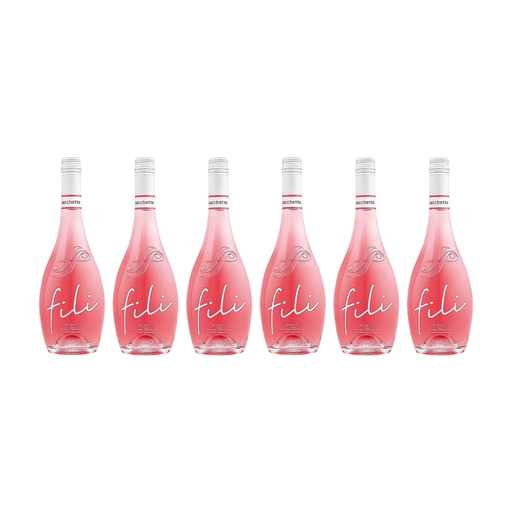
Why This Fits Their Persona: For anyone seeking a lighter, uncomplicated, and fruit-driven alternative to classic Sekt. Ideal for summer evenings, as an aperitif, or for social gatherings that favour a modern style.
This Frizzante bypasses the heaviness and complexity of some traditional sparkling wines. Those often disappointed by overly tart or yeasty notes will find this an accessible, fruity alternative that's simply enjoyable.
An Italian Rosé Frizzante with distinct aromas of wild berries and a subtle acidity. The lighter sparkle (Frizzante) makes it particularly refreshing.
We have compiled a complete, real-time list of products that fully satisfy these strict selection criteria and UK safety regulations.
The three terms refer to sparkling wines of different origins and production methods. Champagne comes exclusively from the Champagne region in France and is subject to the strictest production rules. Prosecco is an Italian sparkling wine from the Glera grape, usually made using the tank method. Sekt is the German term for quality sparkling wine, which can be produced from various grape varieties and with different methods.
Sparkling wine should be stored upright in a cool, dark place with a constant temperature (ideally 10–15 °C). Unlike many still wines, sparkling wine is not intended for long-term ageing and should generally be consumed within one to two years of purchase to retain its freshness and sparkle. Once opened, the bottle should be sealed with a special sparkling wine stopper and kept in the refrigerator, where it will last for one to two days.