
Lieferung heute & morgen

Qualitätsgarantie

Willkommens-Angebote freischalten: KOSTENLOSE Lieferung | Bis zu 80 % RABATT | Kostenlose 30-Tage-JoyPlus-Testphase
App herunterladen
Whether for a celebration, a gift, or a relaxing evening, buying sparkling wine often means facing a vast selection, both online and in-store. But behind the gleaming labels and appealing names lie common pitfalls that can lead to the wrong choice. Before you next order sparkling wine online or grab the first Prosecco deal you see, you should understand the most frequent misconceptions that can spoil the experience.
As your Joybuy Product Recommendation Officer, I'll help you identify the key characteristics to make a selection that perfectly suits your occasion and taste.
The 2 Most Common Pitfalls When Buying Sparkling Wine
To make an informed decision, focus on two objective criteria: sugar content and origin. These provide a reliable guide, far from the influence of marketing promises.
The taste description on the label is clearly defined by EU law and indicates the residual sugar content per litre. This scale is your most reliable compass for the sweetness in your glass.
The designation reveals a great deal about the quality and style of the sparkling wine.
Here are some specific suggestions tailored to different needs, designed to help you navigate the pitfalls mentioned.
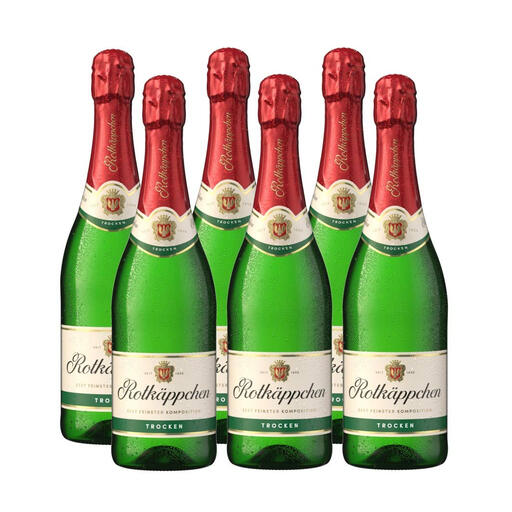
Why it fits the profile: Ideal for parties, birthdays, or New Year's Eve when a larger quantity of a reliable and popular sparkling wine is needed. The 6-pack ensures you're well-stocked and offers great value for money.
Navigating the sweetness trap: The "Trocken" (Dry) designation signals a sparkling wine with a balanced, approachable residual sweetness that appeals to a wide audience and isn't too tart.
Consistent quality and high brand recognition. You know exactly what you're getting—a solid sparkling wine for social gatherings.
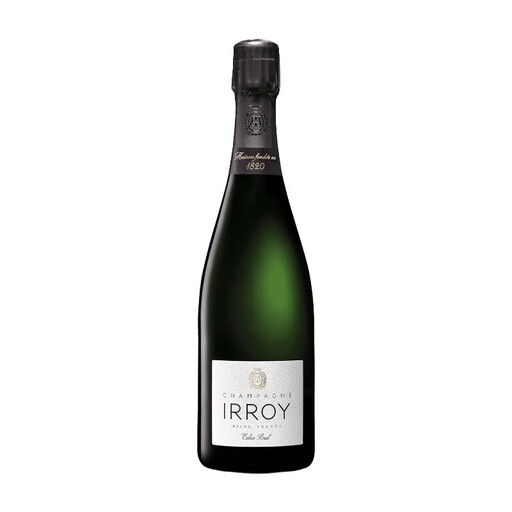
Why it fits the profile: For connoisseurs who appreciate a precise, mineral-driven, and very dry Champagne. It's an ideal aperitif or pairing for seafood, where low sweetness enhances the food's flavours.
Navigating the origin fallacy: This is a genuine Champagne from the house of Taittinger. The "Extra Brut" designation guarantees a very low sugar content for an authentically dry taste experience.
Fine, persistent perlage and crisp minerality, thanks to the traditional method and high-quality grapes (Pinot Noir, Meunier, Chardonnay).
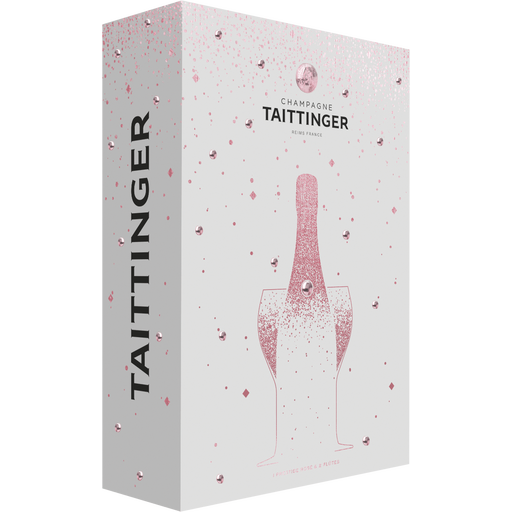
Why it fits the profile: This set is a stylish and thoughtful choice for weddings, anniversaries, or as a premium thank-you gift. It offers a complete experience right out of the box.
Instead of just buying a bottle, this Champagne gift set offers added value. It avoids the risk of giving an impersonal gift by combining a prestigious brand with matching glasses.
An elegant gift box featuring a high-quality Rosé sparkling wine (Champagne) and two original glasses. The Taittinger Prestige Rosé is renowned for its fruitiness and elegance.
We have curated a complete, up-to-date list of products that meet these strict selection criteria.
An opened bottle of sparkling wine should always be resealed with a special pressure-seal stopper and stored in the refrigerator. This way, it will retain its carbonation and freshness for about 1 to 3 days. Without a stopper, the fizz will dissipate within a few hours.
The main differences lie in their origin, grape varieties, and, typically, the production method. Sekt is the German term for quality sparkling wine. Prosecco comes from designated areas in Italy (Veneto/Friuli) and is primarily made from the Glera grape, usually using the tank method. This typically gives it a fruitier and lighter character than many bottle-fermented Sekt or Champagnes.
The optimal serving temperature depends on the style of the sparkling wine. Light and fruity varieties like Prosecco or basic Sekt taste best well-chilled at 6–8°C (43–46°F). More complex, non-vintage Champagnes or Crémants unfold their aromas better at 8–10°C (46–50°F). High-quality vintage or prestige Champagnes can even be served at 10–12°C (50–54°F).