
Lieferung heute & morgen

Qualitätsgarantie

Willkommens-Angebote freischalten: KOSTENLOSE Lieferung | Bis zu 80 % RABATT | Kostenlose 30-Tage-JoyPlus-Testphase
App herunterladen
If you’re looking to buy sparkling wine online, you’ll find a wide selection of six-bottle packs, Prosecco, Cava and Champagne. But product pages differ in more than just price. Sweetness, alcohol content, origin, bottle size and pack quantity all affect whether a bottle is right for your occasion.
“Dry” doesn’t automatically mean flavourless when it comes to sparkling wine. Terms such as brut, extra dry, medium dry, mild and sweet refer to the residual sugar content, and they aren’t always as straightforward as they sound. One important point: “Extra Dry” can be sweeter than “Brut”.
If you’re looking for a dry sparkling wine to serve as an aperitif, check the specific taste description and, where available, the sugar content. For desserts or guests who prefer milder drinks, a medium-dry sparkling wine, a mild sparkling wine or a sweet Asti may be a better choice.
A six-bottle pack of sparkling wine often contains six 0.75-litre bottles, giving you 4.5 litres in total. For smaller gatherings, individual bottles or mini bottles may be more practical. For example, a 12-pack of 0.2-litre bottles is easier to serve in individual portions and means fewer opened bottles left over.
Before ordering, compare the number of bottles, volume per bottle and total volume. A seemingly low price per bottle isn’t necessarily the right choice if only a few people will be drinking.
German Sekt, Italian sparkling wine, Prosecco, Cava and French Champagne are not interchangeable terms. Prosecco comes from designated regions in Italy and is made from the Glera grape. Cava is Spanish sparkling wine with a protected designation of origin. The name Champagne is reserved for sparkling wine from the Champagne region of France.
Frizzante can have a gentler fizz than Spumante. So if you specifically want to buy Prosecco online or buy Champagne, check the official product type and origin details.
A simple guide:
So, if you’re choosing a rosé sparkling wine, check whether it’s dry, medium dry or sweet.
Depending on the variety, the products available range from around 7% to 12.5% vol. Cinzano Asti Spumante DOCG, for example, is listed at 7% vol., while several sparkling wine and Champagne products are between 11% and 12.5% vol.
The recommended serving temperature is usually between 6 and 10 °C, depending on the product. Prosecco and Champagne are often served cooler, while some Secco varieties are best served at 8 to 10 °C. Store sparkling wine in a cool, dry place away from light, at a stable temperature. Always follow the specific guidance on the label and product page.
Sparkling wine usually contains sulphites, which must be listed as an allergen on the label. Flavoured products may also contain fruit juice, sugar, acidity regulators or flavourings. If you’re looking for a more traditional wine product, check the ingredients against the style you want.
Alcoholic drinks are not suitable for children or pregnant women. In Germany, there are legal age limits for wine and sparkling wine, and an age check may be required when buying online. Alcohol should be consumed responsibly.
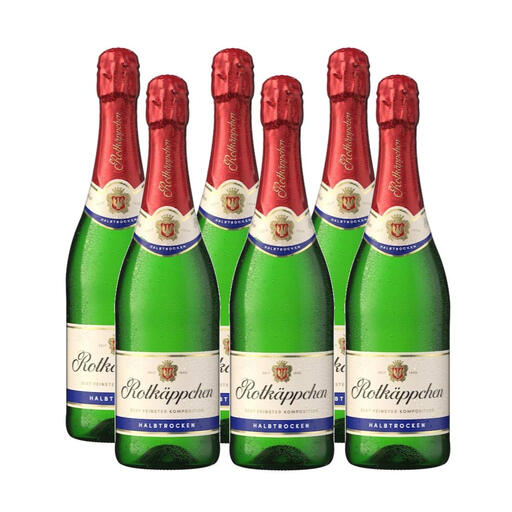
Why it suits this profile: This six-pack of 0.75-litre bottles is ideal for family celebrations, parties and keeping a few bottles in reserve. Its medium-dry style is an easy choice for a mixed group.
The pack size, 11% vol. alcohol content and taste profile are clearly stated, making it easier to plan your order before you buy.
Six standard-size bottles, made in Germany, with a recommended storage temperature of 12–18 °C.
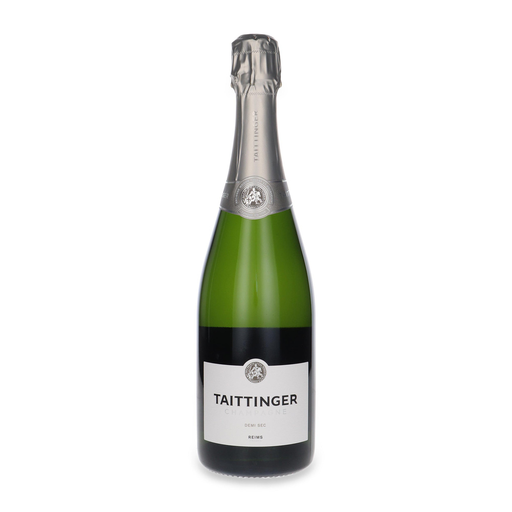
Why it suits this profile: This bottle from Champagne is for buyers who place more importance on origin, grape details and a special occasion than on buying a larger pack.
The Champagne designation, French origin and 12.5% vol. alcohol content are all clearly stated.
A 0.75-litre bottle from France, recommended with an aperitif, poultry or selected desserts.
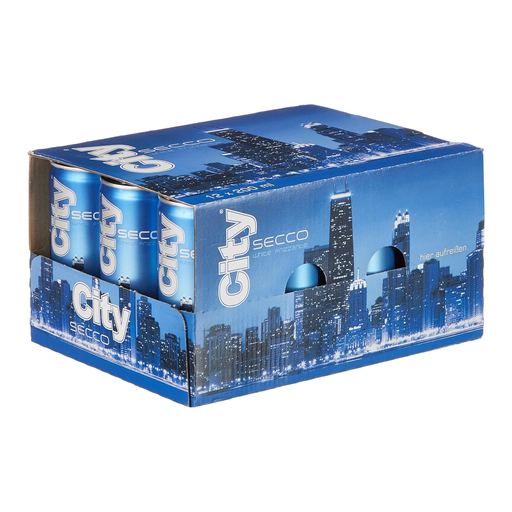
Why it suits this profile: The 12 small bottles are ideal for receptions, larger events and occasions when you don’t want to open a full-size bottle for every serving.
The 0.2-litre bottle size is clearly stated, so you won’t mistakenly plan to serve individual portions from standard-size bottles.
Twelve individual servings, a dry style and 70 kcal per 100 ml, according to the product information.
Why it suits this profile: A single bottle in a gift box makes a thoughtful choice for invitations, anniversaries or other special occasions.
The product information clearly states its Champagne origin, Brut style, 12.5% vol. alcohol content and 36 months of ageing on the lees.
A 0.75-litre bottle in a gift box, with a recommended serving temperature of 6–10 °C.
Sekt is a general term for quality sparkling wine, which can be made from German base wines, among others. Prosecco comes from Italy and is usually made from the Glera grape. Cava comes from Spain and carries a protected designation of origin. Champagne can only come from the Champagne region of France. When buying, it’s therefore important to check the product type, origin and production details.
Once opened, sparkling wine gradually loses its fizz. With a suitable sparkling wine stopper and chilled storage, it can usually be enjoyed for another one to three days, depending on the product. Check the specific guidance from the producer. For larger gatherings, smaller bottles can help reduce the amount left over once opened.
A 0.75-litre bottle serves around six glasses, depending on the serving size. For a reception with lots of guests, 0.2-litre bottles may be more practical. When buying a six-pack of sparkling wine, consider the total volume, number of guests and other drinks together. Underage people and pregnant women should not consume alcohol.