
Lieferung heute & morgen

Qualitätsgarantie

Willkommens-Angebote freischalten: KOSTENLOSE Lieferung | Bis zu 80 % RABATT | Kostenlose 30-Tage-JoyPlus-Testphase
App herunterladen
A spoon is one of the most frequently used kitchen and dining utensils. Even so, buying the wrong one can lead to unnecessary expense: a teaspoon may be too large for small cups, a cooking spoon may heat up at the handle, or a seemingly suitable baby spoon may not be right for the weaning stage. Terms such as “durable”, “heat-resistant” and “safe” are only meaningful when specific material and care information is provided.
As a Joybuy Product Recommendation Officer, I assess the most important product data and explain what households, families, catering businesses and frequent users should look for when buying spoons.
“Metal”, “plastic” or “silicone” are not sufficient descriptions for every use. For a spoon intended for hot food, for example, heat resistance, build quality and suitability for food contact all matter. For baby cutlery, information such as BPA-free, the suitable age range and cleaning instructions is also relevant.
A small dessert spoon serves a different purpose from a soup ladle or serving ladle. You should therefore check the length, diameter and shape of the bowl. A 21 cm long-drink spoon is suitable for stirring tall glasses, but impractical for small children’s hands. A pasta spoon, on the other hand, needs a sufficiently large, structured bowl so that pasta can be picked up and portioned.
Not every dishwasher-safe spoon should be treated with harsh detergents or abrasive sponges. Bamboo spoons generally require gentle cleaning and thorough drying. For silicone spoons, buyers should follow the manufacturer’s instructions regarding the dishwasher, microwave and sterilisation. Damaged, cracked or sticky products should no longer be used.
Stainless steel is practical for teaspoons, dessert spoons, serving spoons and many kitchen utensils, as the material can be rust-resistant and easy to care for. A 12.5 cm stainless steel teaspoon is typically suitable for coffee, tea and small desserts. Sets containing several pieces are particularly useful for restaurants, cafés and catering, as they make reordering easier.
Silicone is suitable for baby and children’s spoons when a soft, flexible bowl is preferred. Check the precise material description: a product may be made of silicone while also containing a core or components made of polypropylene. A BPA-free spoon should be clearly identified as such in the product details.
Bamboo is lightweight and is often used for breakfast, desserts or picnics. Before buying, check whether the product is dishwasher-safe. Prolonged exposure to moisture can affect natural materials.
The following simple guidelines can help with everyday use:
A dishwasher-safe spoon is practical for family households and catering businesses. Nevertheless, you should read the care instructions for coated, painted or untreated surfaces. For hot pots, the specified temperature resistance is crucial. This also applies to silicone: the Kikka Boo spoon, for example, is specified for a range of -40 °C to 230 °C. This information applies to the product and does not replace checking the temperature of food before feeding.
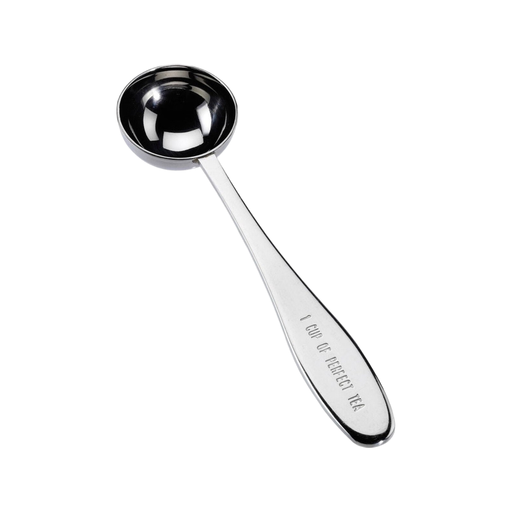
Why this product suits the profile: This 12.5 cm stainless steel teaspoon is designed for everyday drinks, desserts and smaller portions. The 24-piece pack is also suitable for households that regularly have visitors or smaller catering settings.
The stated dimensions make it easier to compare the size with your cups, glasses and existing cutlery before buying.
Stainless steel, rust-resistant product description and multi-piece pack.
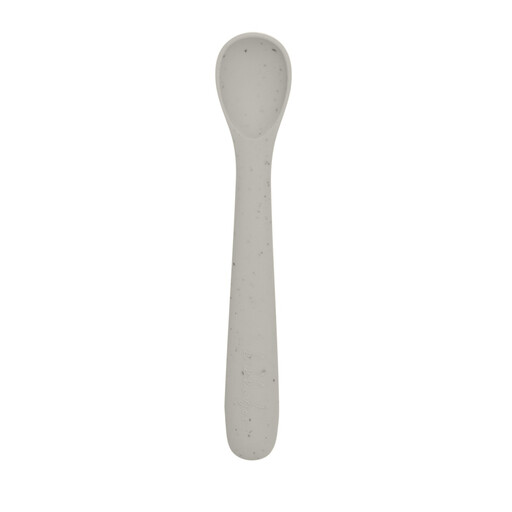
Why this product suits the profile: According to the product details, this baby spoon is made from 100% food-grade platinum silicone and is intended for children from 6 months. It is therefore suitable for the weaning stage, provided that the age recommendation and the child’s individual development are taken into account.
The product details specify the material, temperature range, BPA-free composition and cleaning suitability instead of relying only on general safety claims.
14.8 × 2.7 cm, BPA-free, dishwasher-safe and, according to the details, suitable for use in the microwave and steriliser.
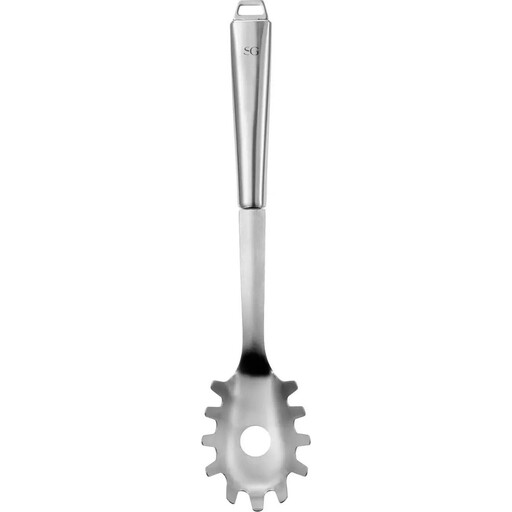
Why this product suits the profile: At 33.5 cm long, this pasta spoon is designed for large pots and regular cooking. The material is listed as stainless steel and polypropylene; check the dimensions against your existing cutlery drawer before storing it.
The specific length prevents you from choosing a short household spoon for deep pots, where it would be impractical for portioning.
33.5 cm length and 150 g weight according to the product details; suitable for picking up and serving pasta.

Why this product suits the profile: The set contains a silicone spoon, a fork and a travel case. According to the product details, it is intended for children from 6 months and supports their first attempts at eating independently, under constant supervision.
The soft, rounded tips and textured handle are explicitly described. This makes the difference from standard adult cutlery clear.
BPA-free silicone and PP, non-slip handle and storage box for travelling.
We have put together a complete, regularly updated list of products that fully meet these strict selection criteria and the safety regulations applicable in the EU.
Before buying, it is worth checking the following points:
For tea and coffee, a teaspoon around 12 to 13 cm long is usually suitable. The diameter of the bowl is also important, so that the spoon fits comfortably into the cup or glass. For tall drinks, a 21 cm long-drink spoon may be more suitable.
According to the manufacturers’ information, some products are intended for babies from 6 months. These include the BC-Babycare sets mentioned above and the Kikka Boo baby spoons. However, the age recommendation is only one product parameter. The child should be supervised during every meal, and damaged spoons must not be used.
The service life depends on the material, build quality, cleaning and level of use. Stainless steel can be used for a long time when properly cared for. With silicone and plastic products, you should regularly check for cracks, deformation, sticky surfaces or loose connections. Bamboo spoons should be dried completely after washing so that the material is exposed to as little moisture as possible.