
Lieferung heute & morgen

Qualitätsgarantie

Willkommens-Angebote freischalten: KOSTENLOSE Lieferung | Bis zu 80 % RABATT | Kostenlose 30-Tage-JoyPlus-Testphase
App herunterladen
Sunglasses should protect you reliably from bright light, feel comfortable to wear and suit the way you plan to use them. But there’s more to consider when buying a pair than just colour and shape. Unclear information about UV protection, a poor fit or unsuitable tinting can make sunglasses impractical in the car, on your bike or when travelling.
This guide explains which details matter when choosing sunglasses, the common buying mistakes to look out for and which styles suit different types of wearer.
A heavily tinted lens may feel comfortable, but its tint alone tells you nothing about how well it protects against ultraviolet radiation. Look for clear, verifiable labelling such as UV400. According to Beneunder’s product information, the FD421 and FD01h models mentioned block at least 99.9% of UV radiation. Manufacturer claims like these should be clearly stated in the product description.
Polarised sunglasses can reduce distracting reflections from roads, water or metal surfaces. This is often useful for cycling, watersports and spending time outdoors in bright conditions. However, when driving, polarised lenses may affect the visibility of some LCD displays or sat-nav screens. Before buying, check that the glasses are compatible with your vehicle and the devices you use.
Materials such as TR90 are lightweight and flexible, but even TR90 sunglasses need to suit your face shape. A frame that’s too wide may slip, while narrow arms can cause pressure points. Frame width, bridge width, arm length and actual weight all matter. Lightweight sunglasses with adjustable nose pads or arms are often easier to fine-tune.
UV400 refers to protection against wavelengths of up to 400 nanometres. This should be clearly stated on the product page or label. Visible light transmission (VLT) tells you how much light passes through the lens. A low VLT, around 15%, is generally better suited to very bright conditions. A lighter lens may be more practical for changeable weather or shady routes.
Photochromic sunglasses change tint depending on the intensity of the light. According to BleeqUp’s product information, the Ranger Photochromic lens has a light transmission of 18–43% when activated and 43–80% when not activated. Bear in mind that a car windscreen filters some UV radiation, which may limit how much the lenses darken automatically.
A polarised lens reduces certain types of reflection. Mirrored sunglasses, on the other hand, have a reflective surface coating, which doesn’t automatically mean they’re polarised. Scratch-resistant, water-repellent and oleophobic coatings can also be useful for everyday wear.
According to Revoray’s product information, the Y1 models have TAC polarised lenses with around 15.2% visible light transmission, UV400 protection, and water- and oil-repellent coatings. Details like these can help you choose, but they don’t replace checking the fit and making sure the glasses meet your personal vision needs.
For cycling glasses or sports sunglasses, a secure fit, good coverage and a durable construction all matter. According to the product information, the Revoray Y1 weighs around 33 g, while the X3 models are listed at approximately 30 g. A non-slip nose pad and arm grips can help keep the glasses in place while you’re moving.
For hiking, travelling or your daily commute, foldable sunglasses may be a better choice. Their compact design takes up less space in a case. However, take care when using the hinges: repeatedly twisting them or opening the arms unevenly can put strain on the frame.
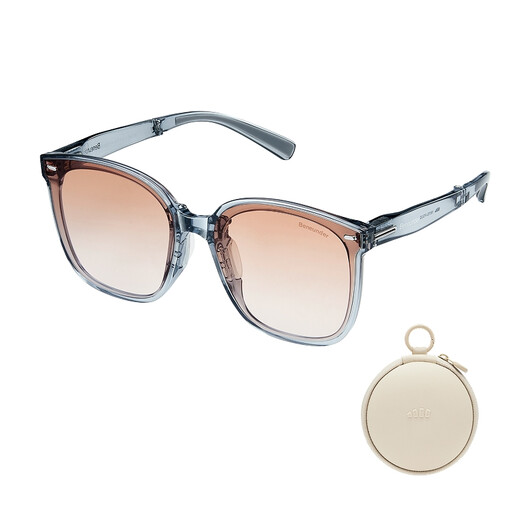
Why this product suits this profile: The foldable design and low weight make these glasses a good choice for commuting, travelling and everyday wear, without requiring lots of extra features.
According to Beneunder’s product information, this model offers UV400 protection, an anti-reflective coating and a three-fold design that folds down to 35 mm thick.
According to the product information, the frame weighs around 26 g and is made from TR90; the nylon lenses offer UV400 protection.
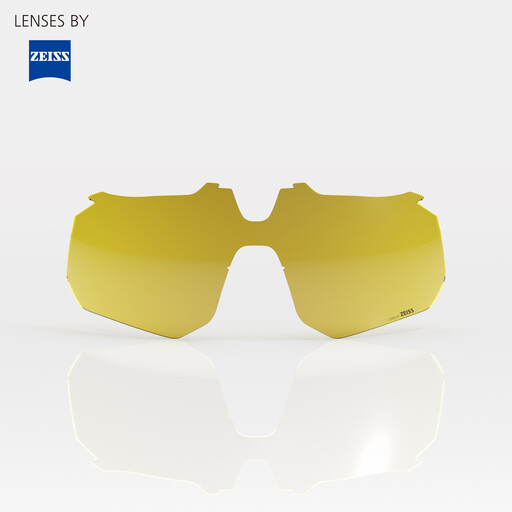
Why this product suits this profile: This model is for anyone who values specific lens features and additional coatings when cycling, hiking or driving.
According to BleeqUp’s product information, the lenses offer UV400 protection and scratch-resistant, water-repellent and oleophobic coatings. Light transmission is listed as 18–43%.
The ZEISS lens is described as having a water-repellent and oleophobic surface. The interchangeable lens design makes the glasses suitable for different situations.
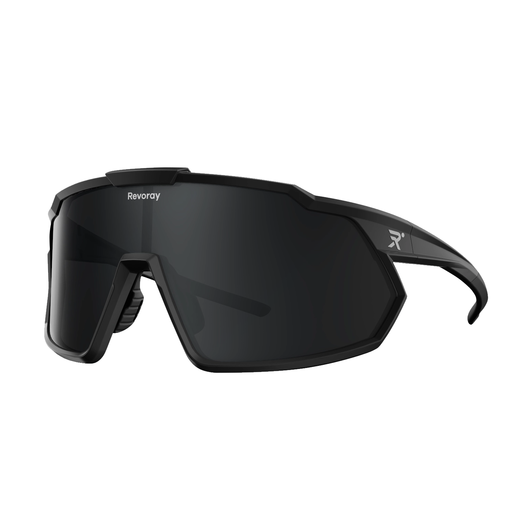
Why this product suits this profile: These cycling glasses are designed for riding and other outdoor activities involving movement, changing conditions and glare.
According to Revoray’s product information, the glasses offer UV400 protection, adjustable non-slip nose pads and impact resistance tested to ANSI Z87.1.
According to the product information, this model weighs around 33 g and has TAC polarised lenses with a water- and oil-repellent coating.
Tech-minded users might also consider smart audio sunglasses. According to the product information, the Lawaken AI Chat City supports Bluetooth 5.3, open-ear audio, two microphones, translation features and up to twelve hours of battery life. Before buying, check features such as voice recording or cloud processing for privacy, app compatibility and the consent of anyone else involved.
We’ve put together a complete, regularly updated list of products that meet these strict selection criteria and fully comply with the safety regulations in force in the EU.
Rinse off dust with clean water before cleaning the lenses with a soft microfibre cloth. Alcohol, harsh cleaning products and rough paper towels can damage coatings. Keep your sunglasses in a case, and don’t put them down with the lenses facing downwards.
There’s no one-size-fits-all answer to how long sunglasses last. However, visible scratches, loose hinges, bent arms or damaged coatings are signs that it may be time for a new pair. For sports sunglasses, check the lenses and frame after any falls or heavy impact too.
When driving, clear vision, a good fit and the right tint are essential. Polarised sunglasses can reduce reflections, but they may affect displays in your vehicle or on sat-nav devices. Photochromic lenses may not darken as much behind a windscreen.
It depends on the materials, how often you wear them and how well you look after them. With careful storage, a pair of sunglasses can last a long time. Scratches, damaged hinges or visible warping are signs that it may be time to replace them, whatever their age.
No. What matters is having clear information about UV protection, light transmission, lens type, size, weight and intended use. Compact foldable sunglasses may be more useful for travelling than a more elaborate pair, while cycling calls for a different level of grip and coverage.