
Lieferung heute & morgen

Qualitätsgarantie

Willkommens-Angebote freischalten: KOSTENLOSE Lieferung | Bis zu 80 % RABATT | Kostenlose 30-Tage-JoyPlus-Testphase
App herunterladen
The market for dietary supplements is vast and can be overwhelming. Anyone looking to order specific vitamins online or complement their diet with particular minerals is often faced with a wall of marketing promises. As a Joybuy Product Recommendation Officer, my job is to provide you with objective criteria so you can make informed decisions. This guide focuses on the facts and helps you to avoid common pitfalls.
Before you add a product to your cart, you should be aware of three common issues that can lead to a poor choice.
To identify high-quality supplements that meet your needs, you should focus on verifiable facts.
The chemical compound in which a mineral or vitamin is present largely determines how well your body can use it.
Transparent labelling is key. Always check the "Ingredients" list and the nutrition facts table.
Here are some product recommendations tailored to different needs and profiles, which take the quality criteria mentioned above into account.
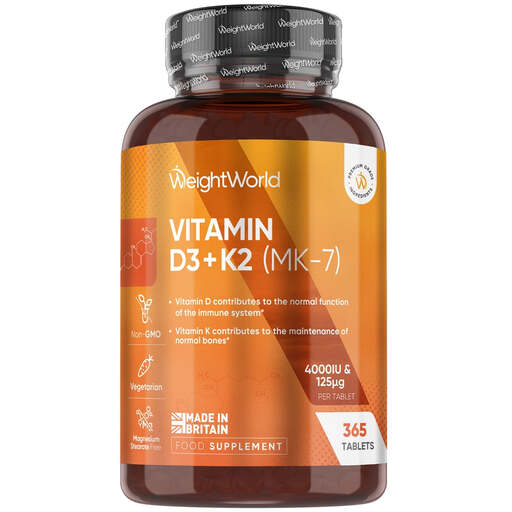
Why This Fits Their Persona: Ideal for individuals seeking a long-term, straightforward foundational supply. The combination of Vitamin D3 and Vitamin K2 supports the maintenance of normal bones and normal immune system function. The one-year supply is particularly convenient for continuous use.
This product bypasses the low bioavailability pitfall by using the stable and long-lasting MK-7 form of Vitamin K2, which works synergistically with Vitamin D3.
One-year supply (365 tablets) in a single bottle. The small micro-tablets are easy to swallow.
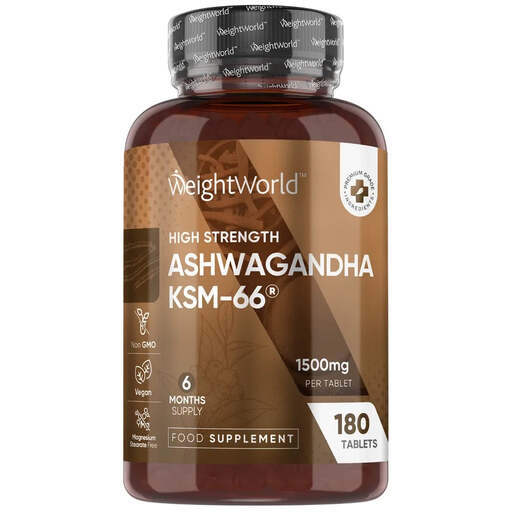
Why This Fits Their Persona: Suitable for people seeking natural support for inner balance during periods of increased stress. Ashwagandha is a well-known herbal adaptogen.
This product uses the standardised KSM-66 extract, which ensures consistent quality and active ingredient concentration. The labelling is transparent: the 1500 mg refers to the daily dose of 2 tablets.
Uses a branded ingredient (KSM-66). The bottle of 180 tablets is sufficient for a 3-month course.
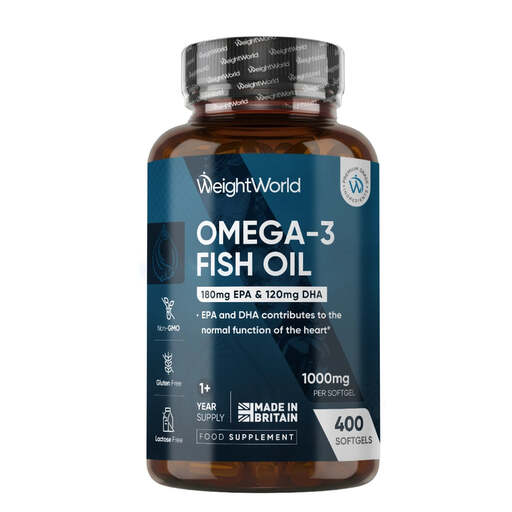
Why This Fits Their Persona: Perfect for health-conscious individuals who want to specifically supplement their diet with essential fatty acids. EPA and DHA contribute to the normal function of the heart. DHA also contributes to the maintenance of normal brain function.
The product clearly states the content of Omega-3 fatty acids (EPA and DHA) per capsule. The term "molecularly distilled" indicates a process to ensure purity.
Excellent value for money with 400 softgels, which lasts for over a year with a daily intake of one capsule.
We have compiled a complete, up-to-date list of products that meet these strict selection criteria and comply with current regulations.
1. How can I identify high-quality supplements? Look for transparent labelling of ingredients, especially the exact form and dosage of the active ingredient per capsule or tablet. Products that avoid unnecessary fillers, colourants, and flavourings, and are ideally tested for purity by independent labs, are often a good choice. Standardised extracts in botanical products are also a mark of quality.
2. Do I need to take supplements with a meal? It depends on the nutrient. Fat-soluble vitamins like Vitamin D3, E, K, and A should be taken with a meal containing fat, as this improves their absorption. For many minerals like Magnesium or Zinc, taking them with a meal can increase gastrointestinal tolerance. Always follow the intake recommendations on the product label.
3. What does "bioavailability" mean for vitamins and minerals? Bioavailability describes the percentage of a nutrient that is actually absorbed by the body after ingestion and becomes available at its site of action. It is influenced by the chemical form of the nutrient, the delivery method (tablet, capsule, powder), and its combination with other substances. High bioavailability is crucial for the effectiveness of a dietary supplement.