
Lieferung heute & morgen

Qualitätsgarantie

Willkommens-Angebote freischalten: KOSTENLOSE Lieferung | Bis zu 80 % RABATT | Kostenlose 30-Tage-JoyPlus-Testphase
App herunterladen
The market for food supplements is vast and overwhelming. Anyone looking to buy vitamins, minerals, or other formulas is often confronted with a flood of products and promotional claims. This guide will help you recognise the key quality indicators and make an informed decision based on facts, not marketing hype.
Before you make a purchase, it's helpful to know the most common traps that can lead to an unsuitable product choice.
To find a suitable product, focus on objective and verifiable criteria. The following three parameters are crucial.
The form in which a nutrient is offered affects both its intake and how it is utilised by the body.
Bioavailability indicates how well the body can absorb a nutrient. For iron deficiency tablets, for example, iron bisglycinate is a form considered stomach-friendly and highly bioavailable. The same applies to magnesium supplements, where citrate or bisglycinate compounds are often preferred over oxide compounds.
A clear declaration is essential. Check the label for the following points:
Some nutrients work synergistically. A well-thought-out combination can enhance effectiveness.
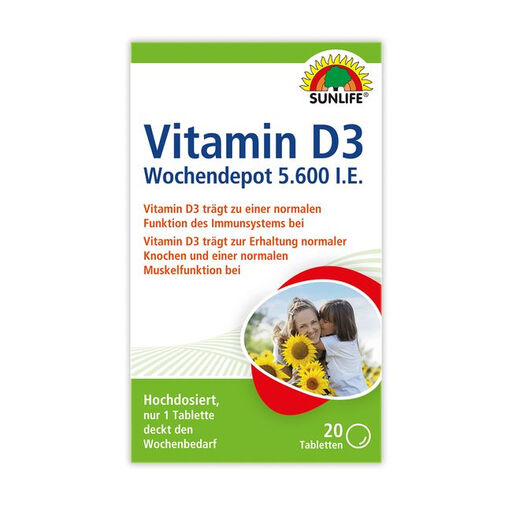
Why This Fits Their Persona: Ideal for individuals with a packed schedule. The weekly dosage simplifies the routine significantly, ensuring a consistent supply without the need to remember it daily.
This product avoids the trap of unclear dosages with a straightforward instruction: one tablet per week. The slow-release function is a specific feature, not an empty marketing promise.
High-dose Vitamin D3; convenient weekly intake; made in Germany.
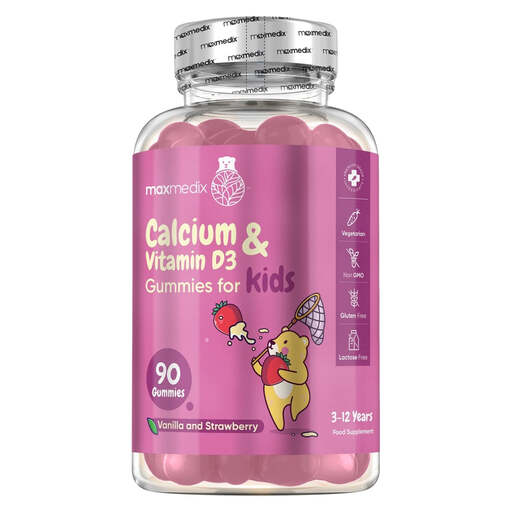
Why This Fits Their Persona: Designed for the needs of children. The fruit-flavoured gummy format ensures high acceptance and makes daily intake straightforward. The combination of calcium and Vitamin D3 supports the maintenance of normal bones and teeth.
This product solves the problem of children having difficulty swallowing tablets. The dosage is clearly tailored for children aged 3 and up, and the ingredient list is free from common allergens like gluten and lactose.
Kid-friendly gummy format; vegetarian and gelatine-free; targeted nutrient combination for growth.
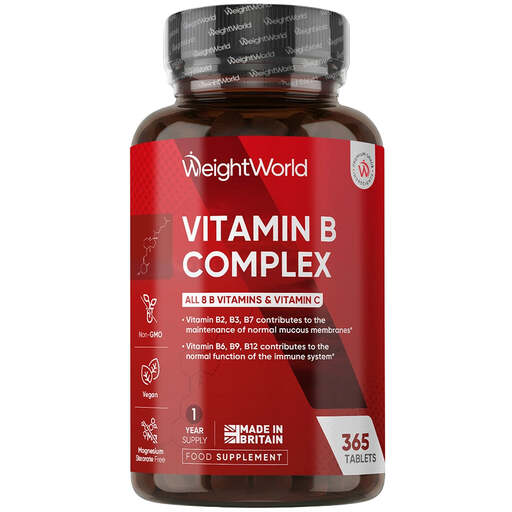
Why This Fits Their Persona: For anyone looking for a long-term, cost-effective supply. With 365 tablets, this product provides a full year's supply, minimising the price per day and eliminating the need for frequent repurchasing.
This product avoids the cost trap of small package sizes. It offers a transparent, comprehensive formula with all 8 B vitamins in one tablet, with no hidden costs or the need to combine multiple products.
One-year supply (365 tablets); contains all 8 B vitamins; vegan and free from common allergens.
We have compiled a complete, up-to-date list of products that fully meet these strict selection criteria and German safety regulations.
Look for a transparent ingredient list without unnecessary fillers, the use of nutrient compounds with good bioavailability (e.g., citrate, bisglycinate), and clear dosage information per unit. Origin labels like "Made in Germany" can also indicate adherence to specific production standards.
A balanced diet is the foundation. Supplements can be a sensible addition in certain situations: for a medically diagnosed deficiency (e.g., a Vitamin D deficiency in the winter months), for special dietary patterns like a vegan diet (Vitamin B12), or for an increased need due to sports or stress. It is advisable to discuss intake with a doctor or pharmacist beforehand.
No, children have different nutritional needs and body weights. It is important to use products specifically designated as vitamins for children. These have an adjusted dosage and are often offered in child-friendly formats like gummies or juice to increase acceptance and prevent choking.