
Lieferung heute & morgen

Qualitätsgarantie

Willkommens-Angebote freischalten: KOSTENLOSE Lieferung | Bis zu 80 % RABATT | Kostenlose 30-Tage-JoyPlus-Testphase
App herunterladen
The range of teas available online is vast. From classic herbal infusions to exotic Asian specialities, the selection can be overwhelming. However, not every product delivers on its promise. Behind appealing names and designs, some teas hide pitfalls like added flavourings or an unexpectedly high sugar content. This guide will help you separate the wheat from the chaff and make an informed purchasing decision.
A careful look at the details can save you from disappointment. Many products use marketing tricks that only become apparent on closer inspection.
To objectively assess the quality of a tea, you should check three key aspects before you order tea online.
The most telling piece of information on any tea package is the ingredients list. A short and clear list is often a sign of high quality.
The format of the tea affects both its convenience and the flavour experience.
Seals like Rainforest Alliance or UTZ Certified provide information about cultivation conditions. They stand for more sustainable agricultural practices and better social conditions for tea farmers. While they don't make direct claims about the taste, they are an indicator of a responsible manufacturing process.
Based on these objective criteria, we have selected a few products from the wide tea assortment that cater to different needs.
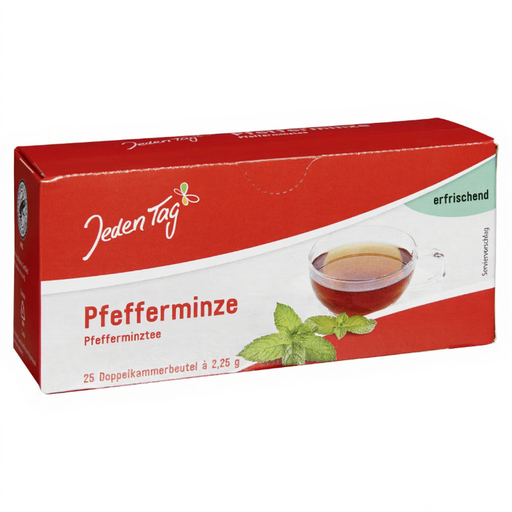
Why This Fits Their Persona: Ideal for daily use. This product offers a classic, pure peppermint flavour without unnecessary additives at a very accessible price. It's a straightforward choice for anyone looking for a reliable herbal tea for everyday enjoyment.
The ingredients list consists solely of peppermint. No flavourings or sugar are added, thus avoiding the "flavouring trap" and the "sugar surprise."
Rainforest Alliance certified; pure, unadulterated peppermint flavour.
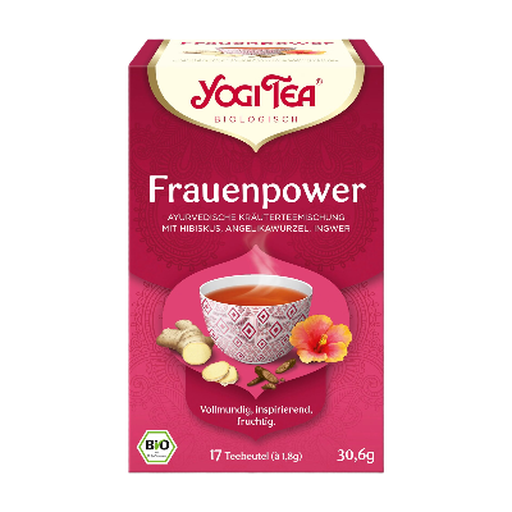
Why This Fits Their Persona: For tea drinkers who value organic ingredients and a targeted herbal composition. The Yogi Tea brand is known for its blends based on Ayurvedic principles, which are designed to suit specific moods and needs.
The product is 100% certified organic and uses a transparent list of high-quality herbs and spices. It completely forgoes artificial additives and flavourings.
Complex, fruity-spicy herbal blend with hibiscus and liquorice root; caffeine-free and from certified organic farming.
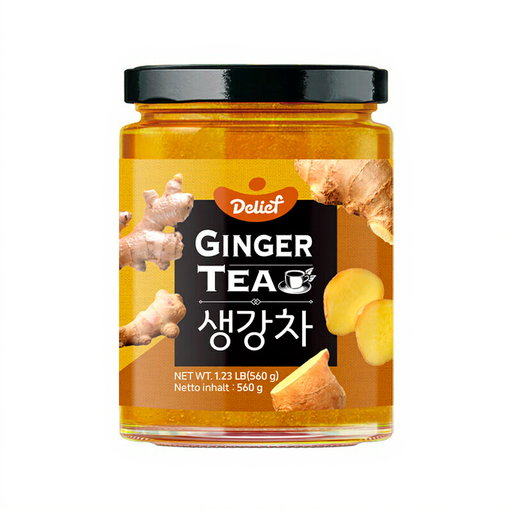
Why This Fits Their Persona: Perfect for adventurers seeking authentic flavour experiences. This Korean ginger tea concentrate offers an intensely sweet and spicy profile that is distinctly different from European herbal teas and is also suitable for cooking.
This product is transparent about its sugar content—it's an integral part of the traditional recipe. The ingredients list is clear, and the value lies in the real, sweetened ginger pieces, not in hidden flavourings.
Authentic Korean tea concentrate; contains real ginger pieces for an intense flavour experience; versatile as a beverage or an ingredient.
We have compiled a comprehensive, up-to-date list of products that fully meet these strict selection criteria and comply with German regulations.
Tea should always be stored in a cool, dry, and dark place in an airtight container. This protects the delicate leaves and herbs from light, moisture, and foreign odours that could compromise the flavour. Therefore, do not store tea right next to strong-smelling spices or coffee.
Adhering to the recommended steeping time is crucial for two reasons. First, for the taste: if a tea steeps for too short a time, it will taste watery; if it steeps for too long, bitter compounds can be released. Second, it is a matter of food safety. Particularly for herbal tea and fruit tea, it is recommended to pour boiling water over the tea bag and let it steep for at least 5–8 minutes. As manufacturers often note: "This is the only way to ensure a safe food product," as this process kills any potentially present germs.
A high-quality herbal tea, such as a good chamomile tea or cold-relief tea, is characterised by a simple and clear ingredients list (e.g., "Ingredients: Linden flowers"). With loose-leaf tea, whole leaves or flower parts are often visible, indicating gentle processing. Furthermore, certifications like an organic seal are a reliable indicator of controlled agricultural quality without synthetic pesticides.