
Lieferung heute & morgen

Qualitätsgarantie

Willkommens-Angebote freischalten: KOSTENLOSE Lieferung | Bis zu 80 % RABATT | Kostenlose 30-Tage-JoyPlus-Testphase
App herunterladen
As your Joybuy Product Recommendation Officer, I see the vast selection of tea available every day. However, this variety can also be overwhelming. Those looking to order tea online often face a confusing array of options. My goal is to provide you with objective criteria to help you make an informed decision and find the exact tea that suits your needs.
Before we dive into the selection criteria, let's look at three common problems that can arise when buying tea. Knowing about them will help you avoid disappointment.
herbal tea might unknowingly end up with a sugary beverage.organic tea? Reputable suppliers provide clear information about origin and certifications. If this information is missing, caution is advised, especially if you value an authentic Asian tea or pure, natural products.To avoid the pitfalls mentioned above, you should check three key aspects before buying. These will help you objectively assess the quality and suitability of a tea.
The most important source of information is the ingredients list on the packaging. Pay attention to the following points:
ginger tea, ginger should be the main ingredient, not sugar or flavouring.chamomile tea or fennel tea should ideally consist only of the respective plant.tea for relaxation, these are usually superfluous.The form of the tea has a major impact on taste and convenience.
Chinese herbal teas are available in this form.Seals and certificates provide guidance on cultivation and production conditions.
organic tea.Asian tea.Based on the criteria above, I have selected some products from our range that suit different needs and preferences.
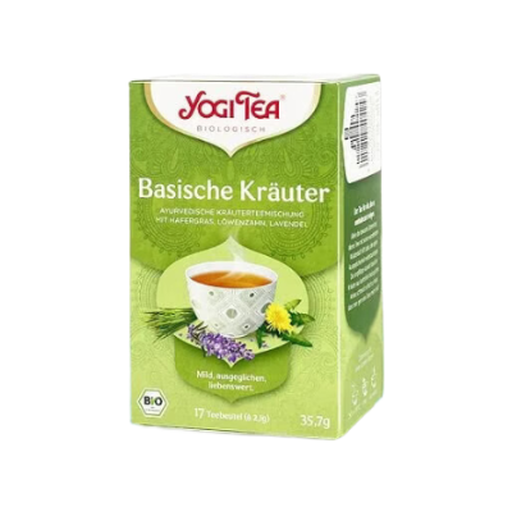
Why This Fits Their Persona: Ideal for health-conscious connoisseurs seeking a carefully composed herbal blend from organic farming. The Yogi Tea brand is known for its Ayurveda-inspired recipes.
The transparent, complete ingredients list and the organic seal bypass the pitfalls of vague wellness claims and hidden additives. You know exactly which herbs you are consuming.
A complex, mild herbal blend with lavender and dandelion. All ingredients are from certified organic farming.
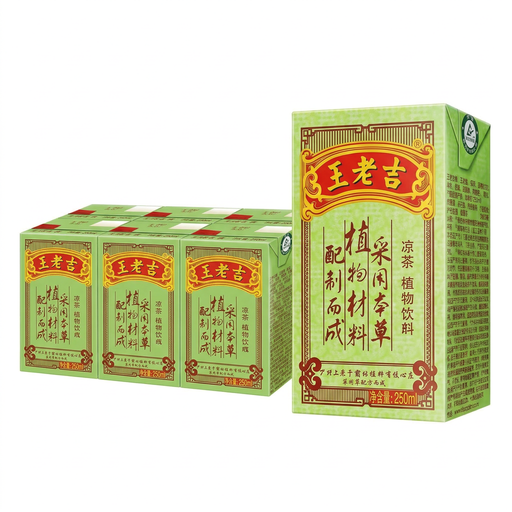
Why This Fits Their Persona: Perfect for those curious to try an authentic Chinese herbal tea. This ready-to-drink beverage is very popular in China and is often enjoyed with meals.
The product is clearly marketed as a traditional herbal drink, not a wellness product. The ingredients list is specific (Mesona, Chrysanthemum, etc.) and transparent about its sugar content.
Authentic taste, ready to drink, and convenient for on the go. A great complement to spicy foods.
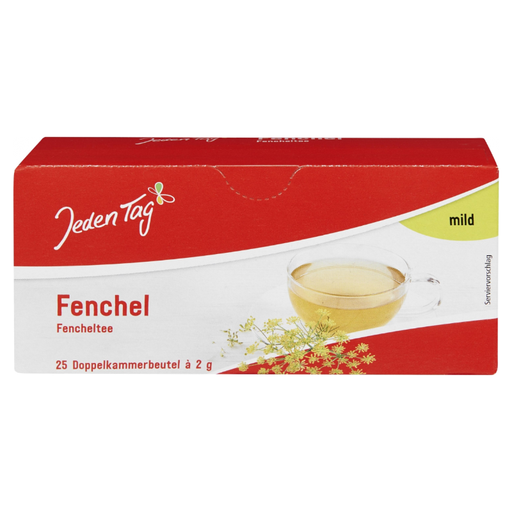
Why This Fits Their Persona: For anyone looking for a simple, pure, and affordable fennel tea for daily use. No frills, just the essentials.
The ingredients list consists of a single word: Fennel. This is the epitome of transparency, avoiding any hidden additives or misleading names.
Pure fennel tea with no additives. The Rainforest Alliance Certified seal indicates more sustainable farming practices.
We have compiled a comprehensive, up-to-date list of products that fully meet these strict selection criteria and German regulations.
1. How long does tea last? When stored in a dry, dark place, dried herbal or fruit tea generally lasts for 1 to 2 years without losing its flavour. Always check the best-before date on the packaging. Instant teas and ready-to-drink beverages should be consumed quickly after opening, according to the manufacturer's instructions.
2. How can I identify a high-quality herbal tea? A high-quality herbal tea is characterised by a clear, short ingredients list without unnecessary additives. For loose leaf tea or tea in pyramid bags, larger, easily recognisable plant parts are a good sign. Certifications like the EU organic seal can also be an indicator of quality and sustainable farming.
3. Can I also enjoy tea cold? Yes, many types of tea are excellent as a cold beverage. You can simply brew the tea hot, let it cool, and store it in the refrigerator. Herbal and fruit teas like peppermint or rosehip tea are particularly refreshing when cold. Some manufacturers also offer special cold-brew teas that are optimised for preparation with cold water.