
Lieferung heute & morgen

Qualitätsgarantie

Willkommens-Angebote freischalten: KOSTENLOSE Lieferung | Bis zu 80 % RABATT | Kostenlose 30-Tage-JoyPlus-Testphase
App herunterladen
Buying tea online offers a vast selection, from traditional East Frisian tea to specialty Japanese green tea. However, this abundance of choices can also lead to uncertainty. All too often, appealing packaging and lofty descriptions hide products that fail to live up to expectations. As your Product Recommendation Officer at Joybuy, I'll help you identify the crucial quality indicators and avoid the common pitfalls of buying tea online.
Before you make your selection, it's helpful to be aware of three common issues that often lead to disappointment:
To ensure you receive a high-quality product, focus on a few objective criteria. These will help you separate the wheat from the chaff.
A tea's variety and its geographical origin are inextricably linked. An authentic East Frisian tea, like one from Bünting Tee, is traditionally based on a strong Assam blend, which is perfect for preparing with rock sugar (Kluntje) and cream. For Japanese green tea, varieties like Sencha (steamed, whole leaves) and matcha powder (shade-grown tea leaves ground into a fine powder) are fundamentally different in cultivation, processing, and taste. A precise declaration of the variety and region is a clear sign of quality.
The choice between loose leaf tea and tea bags depends on your priorities.
A short and clear ingredient list is always a good sign. For flavoured teas, natural flavourings and real fruit or herb pieces should be listed instead of artificial additives. If you value organic cultivation, look for recognised seals like the EU organic logo. This guarantees that the tea was grown without synthetic pesticides and fertilisers.
Here are some recommendations tailored to different preferences and user profiles.
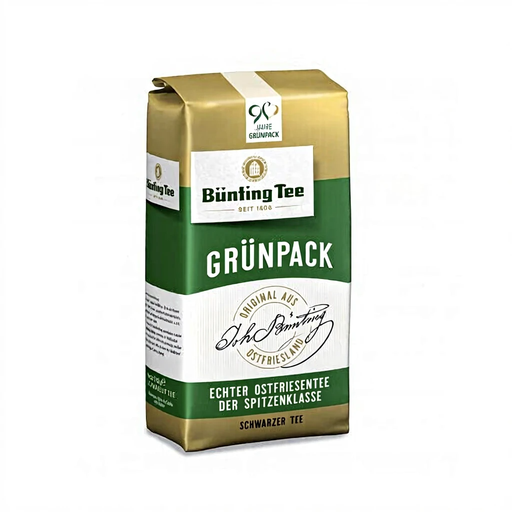
Why This Fits Their Persona: Ideal for lovers of German tea culture who seek a strong, authentic black tea for the traditional East Frisian tea ceremony with rock sugar (Kluntje) and cream.
The designation "Echt Ostfriesischer Tee" (Real East Frisian Tea) and its origin from Bünting, a traditional tea house since 1806, guarantee authenticity and bypass vague origin claims.
A strong, malty Assam blend as loose leaf tea for full flavour development; a generous 500g package for regular enjoyment.
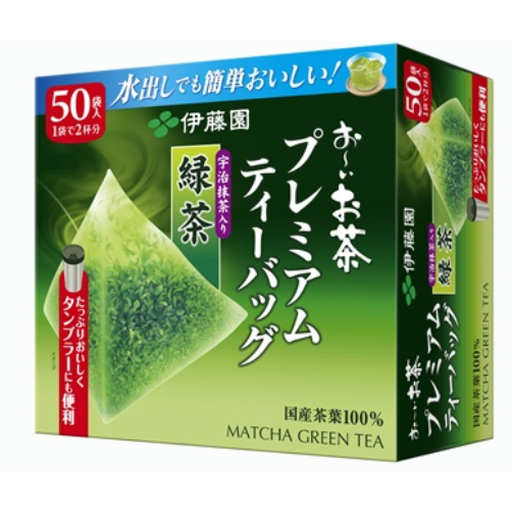
Why This Fits Their Persona: Perfect for anyone who appreciates the authentic taste of Japanese green tea in their daily routine. The combination of Sencha and Matcha offers a full-flavoured experience with convenience.
The ITO EN brand is Japan's leading tea producer, which guarantees authenticity. The ingredient list is precise (Green Tea 95%, Matcha 5%), and the individually wrapped bags protect the aroma.
Combines the freshness of Sencha with the depth of matcha powder; convenient tea bags for quick and straightforward preparation.
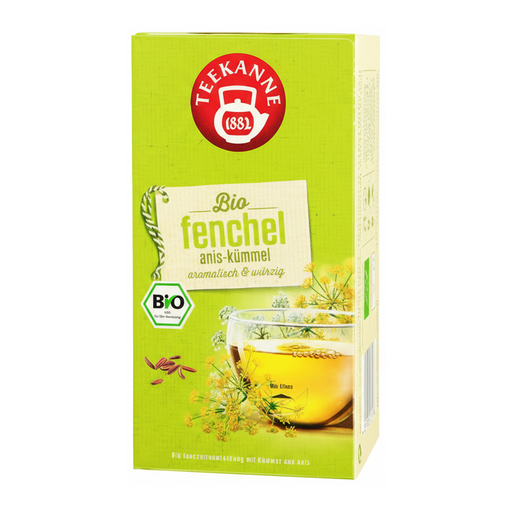
Why This Fits Their Persona: An excellent choice for tea drinkers looking for a caffeine-free, natural, and organic option for relaxing moments, especially in the evening.
This tea avoids vague wellness promises with its clear, certified organic quality and a transparent ingredient list with percentages (Fennel* 60%, Caraway* 30%, Anise* 10%).
Certified organic tea, naturally caffeine-free. A classic, soothing herbal tea blend from an established German brand.
We've compiled a complete, up-to-date list of products that fully meet these strict selection criteria and German regulations.
Loose leaf tea should always be stored in an airtight, opaque container in a cool, dry place. Avoid proximity to strong-smelling foods like coffee or spices, as tea can easily absorb their aromas. A good tea caddy made of metal or ceramic is a worthwhile investment.
Both are Japanese green teas, but they differ fundamentally. Sencha consists of whole tea leaves that are steamed, rolled, and dried. It is steeped with hot water. Matcha, on the other hand, is made from tea leaves that are shaded before harvest, dried, and then ground into a fine powder. The powder is whisked directly into water and consumed whole.
With loose black tea, evenly rolled, unbroken leaves indicate careful processing. The colour of the dry leaves should be uniform. After brewing, the tea should have a clear, vibrant colour (ranging from amber to deep red, depending on the variety) and a balanced aroma without excessive bitterness.