
Lieferung heute & morgen

Qualitätsgarantie

Willkommens-Angebote freischalten: KOSTENLOSE Lieferung | Bis zu 80 % RABATT | Kostenlose 30-Tage-JoyPlus-Testphase
App herunterladen
Toys for children should bring joy, support development, and work reliably in everyday family life. However, product images and advertising claims don’t always show whether a toy truly suits the child’s age, your living situation, or the intended play purpose. Parents, grandparents, and gift buyers should therefore check a few practical criteria before making a purchase.
A toy labelled “from 3 years” isn’t automatically suitable for every younger child. Small parts, removable accessories, or hard plastic elements can pose a risk. The age rating on the packaging is therefore an important selection criterion, not a casual suggestion.
Even with baby toys, the construction should match the child’s developmental stage. A toy chain for a pram or baby seat must be securely fastened and must not be damaged or loose.
Terms like educational toys, motor skills toys, or Montessori toys often describe a play concept, but not necessarily its quality. What really matters is which actions are actually possible: grasping, sorting, matching, puzzling, rolling dice, or playing together.
A toy with many features can be less suitable in daily use than a simple product that is clearly designed and used regularly.
Soft toys for children, cuddly toys, and baby activity toys are frequently handled, used on the go, or placed on the floor. Cleaning instructions should therefore be checked before purchase. Storage is equally important: stacking and board games need a permanent home, while a compact plush companion can easily fit into travel luggage.
Check the recommended age group, warning notices, and what’s included in the box. For example, the Schmidt Spiele Sorgenfresser Tilda explicitly states that the product contains small parts and is not suitable for children under 36 months. The model is approximately 22.5 cm tall and made of plush.
The age rating is also relevant for board games aimed at younger children. The HABA game “Kleiner Obstgarten” is designed for children aged 3 and up, for 1 to 4 players. Even so, the game pieces should only be used under age-appropriate supervision.
With wooden toys, smooth surfaces, sturdy joints, and clear material information are important. According to the product description, the Hauck shape sorter is made from FSC-certified wood and contains eight building blocks. The roof can be removed so the pieces can be stored inside. The toy is intended from 12 months; due to small parts, the manufacturer’s safety instructions apply.
Care instructions vary significantly for plush products. The mouse from the “Die Sendung mit der Maus” range by Schmidt Spiele is described as washable and is approximately 25 cm tall. Other models may only be surface-cleaned with a damp cloth. This information should match where you plan to use the toy.
For small flats or travel, compact products with short play sessions are ideal. For children’s board games, the number of players, setup time, and rule complexity are key. The game “Bobo Siebenschläfer” is for 2 to 4 players aged 3 and up, with a stated playtime of around 10 minutes.
Electronic toys also need batteries and can produce noise. The VTech baby toy comes with three LR44 batteries included; the product has volume control and automatic shut-off. If you have noise-sensitive children or are looking for a toy for on the go, these points should factor into your choice.
The following recommendations sort specific products by everyday situation and play purpose. Details on age, material, size, and features are based on the respective product descriptions.
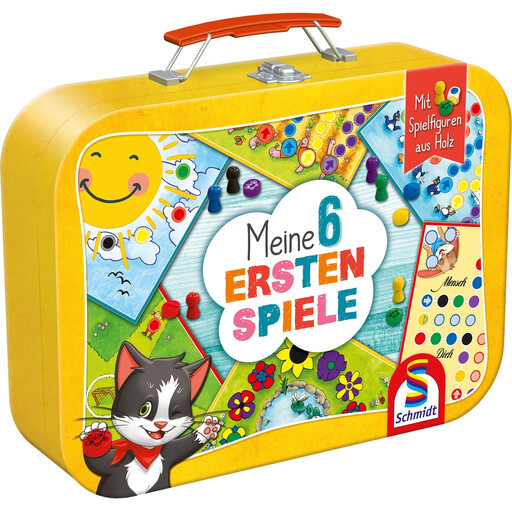
Why this product fits the profile: The collection includes six colour and dexterity games for 2 to 4 players aged 3 and up. It’s ideal for families who want several simple play ideas in one box.
The rules are designed for younger children, and the box offers several variations rather than just a single game mechanic.
Six games, simple rules, no batteries required, and a player count of 2 to 4.
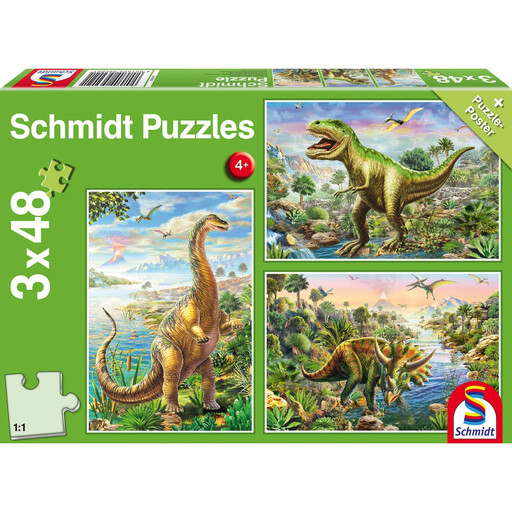
Why this product fits the profile: The set contains three puzzles, each with 48 pieces, and is designed for children aged 4 and up. The motif posters help with getting started.
The piece count and age rating are clearly stated. The posters with cut lines provide guidance without assuming an unclear difficulty level.
Three motifs, 3 × 48 pieces, matt surface with linen texture, and no batteries required.
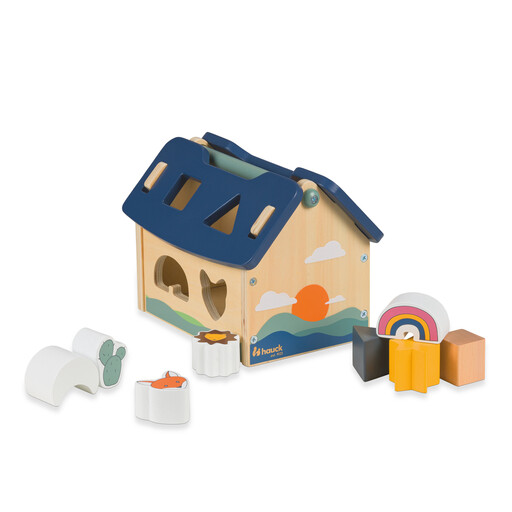
Why this product fits the profile: This stacking and sorting game is aimed at toddlers from 12 months. It combines storage and play in one house with a carry handle.
The eight building blocks and the intended age group are clearly specified. After play, the pieces can be stored inside the house.
FSC-certified wood according to the product description, eight shapes, and integrated storage.
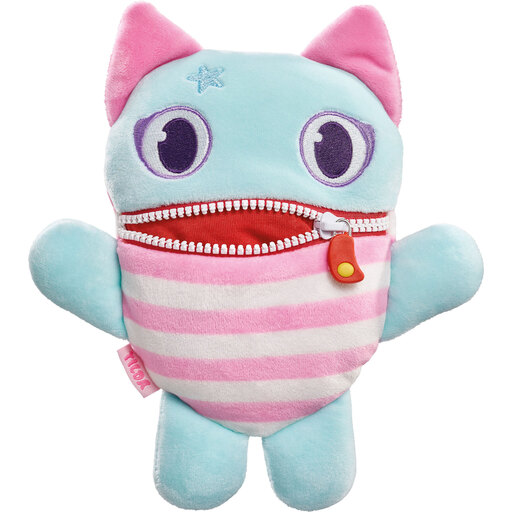
Why this product fits the profile: Tilda is a compact plush companion for children aged 3 and up. The design is suitable for cuddling and for symbolic role play around worries and everyday situations.
The size and the warning about small parts are clearly stated. The product is not classified as a medical or therapeutic aid.
Soft plush material, approximately 22.5 cm in size, and a clearly defined role as a cuddly and role-play companion.
We’ve put together a complete, regularly updated list of products that fully meet these strict selection criteria and the safety regulations in force in the EU.
From 3 years, simple children’s games, sorting games, soft toys, and first board games are suitable. Pay attention to the recommended number of players, short rules, and warnings about small parts. A game doesn’t need lots of features if the play concept is clear and appropriate for the child.
With puzzles from 4 years, the number of pieces, motif size, and help for beginners are key. Three puzzles with 48 pieces each, for example, offer variety, while posters or reference images can make orientation easier. Keep the pieces complete and dry after playing.
The lifespan depends on the material, use, and care. Wooden toys with sturdy components can be used for a long time with regular checks. For soft toys and baby toys, seams, filling, fastenings, and plastic parts should be checked regularly. Damaged or loose parts should no longer be given to children.