
当日/次日达

品质保障

开启新人专享福利: 全场免邮 | 低至 2 折 | 免费试用 30 天 JoyPlus 会员
下载 Joybuy
Udon noodles are a cornerstone of Japanese cuisine, renowned for their thick, chewy texture and versatility. But when you're shopping, you're often faced with a shelf full of options: fresh, dried, instant, from Japan, from Korea. Making the right choice is crucial for the success of dishes like a comforting udon noodle soup or a quick yaki udon. This guide will help you understand the differences and avoid disappointing purchases.
Before you choose a product, it helps to be aware of common misconceptions and marketing traps that often lead to an unsatisfying culinary experience.
To find the right udon noodles for your kitchen, focus on three objective characteristics.
The way the noodles are processed significantly determines their cooking time, texture, and shelf life.
The shape of the noodle is crucial for mouthfeel and sauce absorption.
Here are some recommendations tailored to different needs and cooking habits.
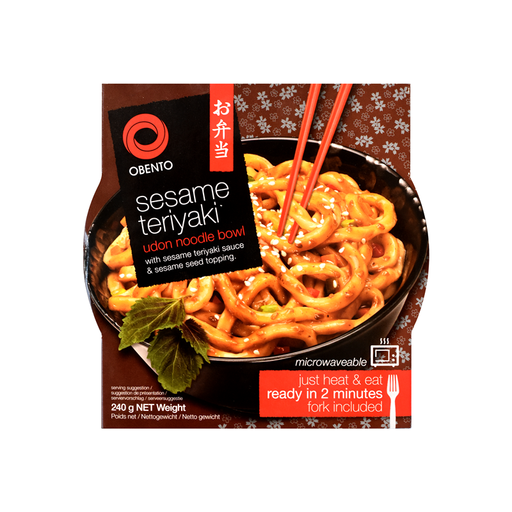
Why This Fits Their Persona: Ideal for professionals or students looking for a complete, flavourful meal with no cooking effort. Everything is included: noodles, sauce, and toppings.
This product is transparently designed as an all-in-one meal. It avoids the misleading portion size trap by being clearly labelled as a single serving.
Extremely quick to prepare in minutes; no need to buy additional ingredients.
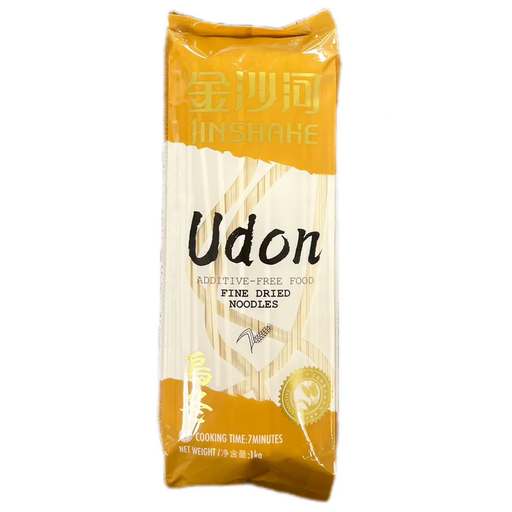
Why This Fits Their Persona: An economical bulk package of dried noodles that has a long shelf life. Perfect for families who regularly cook Asian food and need a versatile base for soups and stir-fries.
This product is unpretentious and honest: it's dried noodles. There are no misleading "freshness" claims. You get a large quantity of a shelf-stable staple.
Excellent value for money; long shelf life and a simple ingredient list (wheat flour, water, salt).
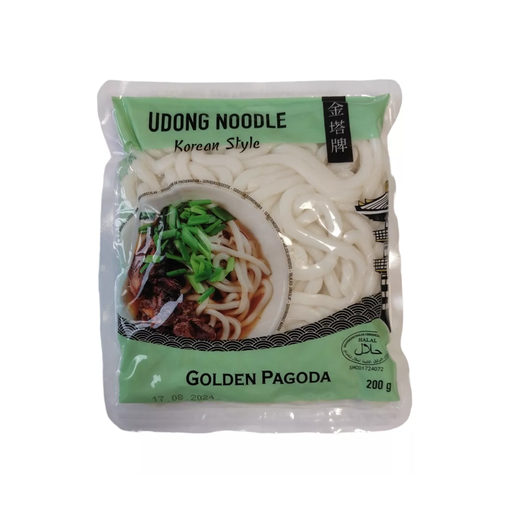
Why This Fits Their Persona: For cooks seeking an authentic, soft and elastic texture for dishes like yaki udon or nabemono (hot pot). The short cooking time allows for precise preparation.
This product delivers exactly the texture expected from a vacuum-sealed noodle. It sidesteps the "wrong texture" trap as it's specifically designed for quick dishes where softness and elasticity are desired.
Very short cooking time of 1–2 minutes; the noodles absorb sauces and broths excellently.
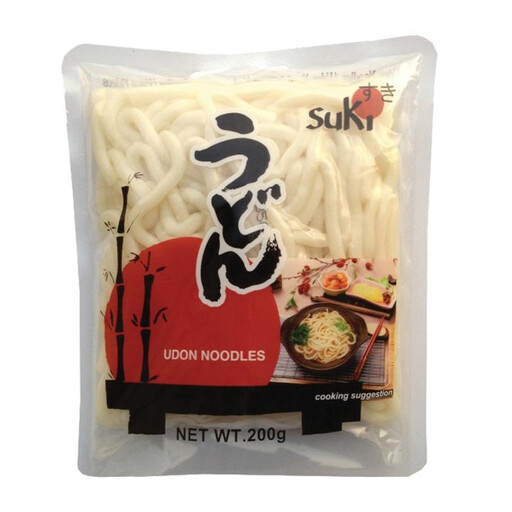
Why This Fits Their Persona: A bulk case with 30 individually wrapped 200g portions is ideal for restaurants, catering services, or large families who value consistency and easy portioning.
Individual portioning prevents food waste and guarantees consistent quality with every preparation. There are no ambiguous portion sizes, as each unit is clearly defined.
Efficient storage and portion control; consistent product quality for professional use.
We have compiled a complete, up-to-date list of products that fully meet these strict selection criteria.
Yes, it's often recommended. Vacuum-sealed fresh udon can have a slightly sour smell or taste from the acidity regulators used for preservation. A quick rinse under cold water before cooking can neutralize this and also helps to separate the noodles.
The main difference lies in the ingredients and thickness. Udon are thick, soft noodles made from wheat flour. Ramen are also wheat-based but are much thinner and often treated with an alkaline solution (kansui), which gives them a yellowish colour and a springy texture. Soba noodles are made from buckwheat flour, which gives them a darker colour and a nutty flavour.
When stored correctly in a cool, dry place away from direct sunlight, dried udon noodles have a very long shelf life, typically one to two years. To be safe, always check the best-before date on the packaging.