
Lieferung heute & morgen

Qualitätsgarantie

Willkommens-Angebote freischalten: KOSTENLOSE Lieferung | Bis zu 80 % RABATT | Kostenlose 30-Tage-JoyPlus-Testphase
App herunterladen
Buying white wine online offers a vast selection, but it can also lead to poor choices. An eye-catching label or a vague term like 'fruity' is no guarantee that the wine will suit your palate. Many buyers invest in wines that either don't fit the occasion or whose quality doesn't justify the price. This guide will help you understand the key criteria for making an informed decision.
Before we dive into the selection criteria, let's look at two common problems that can lead to disappointment:
To find the right white wine, you should focus on objective characteristics rather than marketing promises. The following three parameters are crucial.
The perception of taste is largely determined by the interplay between residual sugar and acidity. German wine law clearly defines these terms:
Pay attention to the residual sugar (g/l) and acidity (g/l) values in the product descriptions to get an objective idea of the flavour profile.
The grape variety and the growing region significantly shape the wine. Each variety has its own typical aromas:
The origin, whether it's a white wine from Germany's Mosel region or a Pinot Grigio from Italy, provides further clues about the wine's style.
Additional labels can be relevant to your purchasing decision:
Here are some recommendations tailored to different needs and profiles.
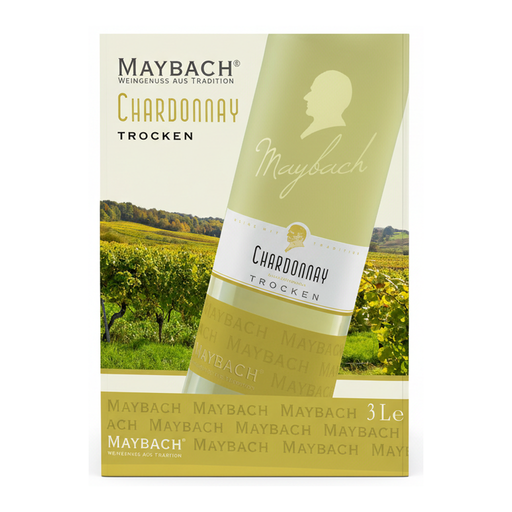
Why This Fits Their Persona: Ideal for parties, barbecues, or regular enjoyment without having to worry about half-empty bottles. The 3-litre box is easy to handle and offers excellent value for money.
It solves the problem of oxidation in opened bottles. The wine stays fresh for weeks, preventing waste and loss of quality. Perfect for avoiding the "packaging trap."
Long shelf life after opening thanks to the bag-in-box system. A dry Chardonnay with aromas of melon and exotic fruits that pairs well with many dishes.
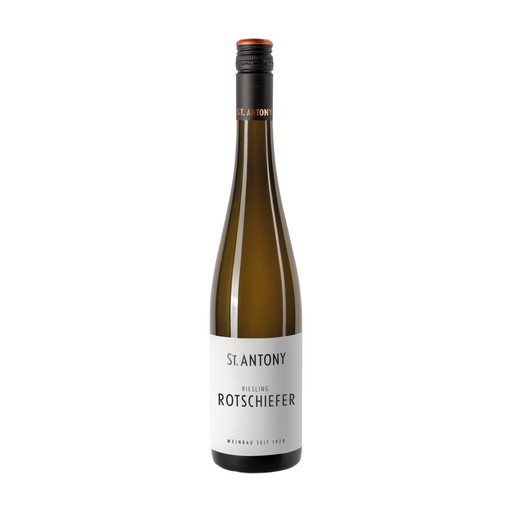
Why This Fits Their Persona: For wine lovers who value origin, terroir, and sustainable production methods. This wine comes from the famous "Roter Hang" (Red Slope) vineyard in Rheinhessen and is biodynamically farmed.
Here, quality isn't just suggested by a label; it's proven by its verifiable origin (VDP wine estate, single vineyard) and certification (DE-?KO-039). A clear choice for informed buyers.
Biodynamically farmed Riesling from one of Germany's most renowned sites. It exhibits a pronounced minerality and depth, characteristic of the slope's red rock soil.
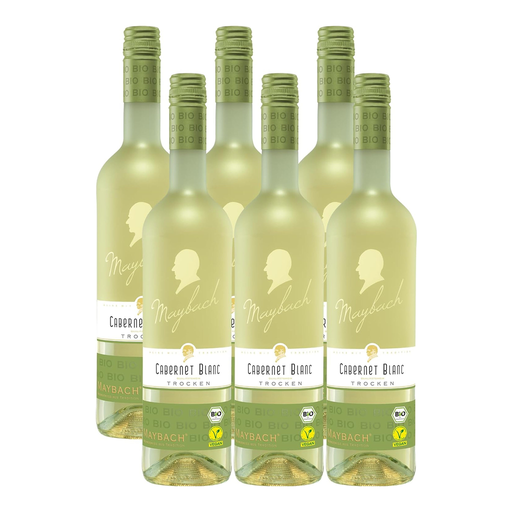
Why This Fits Their Persona: Perfect for hosts who want to offer their guests a wine that meets modern standards for sustainability and conscious consumption. The 6-pack is also practical for gatherings.
Instead of vague promises, this wine offers clear, certified attributes. The designation as a vegan white wine and an organic product builds trust and ensures it aligns with guests' ethical preferences.
Certified organic and vegan. A spicy, aromatic wine with notes of kiwi and citrus that pairs well with salads and fish, making it highly versatile.
An opened bottle of white wine should be tightly sealed and stored in the refrigerator. Light, crisp wines will last for about 3 to 5 days. A white wine bag-in-box lasts significantly longer because the tap prevents air from reaching the wine. Its quality can be maintained for 4 to 6 weeks after the first pour.
In traditional winemaking, the process of clarifying the wine (known as fining) often involves animal products like egg whites, casein (milk protein), or gelatine. These agents bind to cloudy particles and cause them to sink. For a product to be labelled as vegan white wine, these aids are avoided. Instead, plant-based proteins (e.g., from peas) or mineral clays like bentonite are used.
The ideal serving temperature depends on the type of wine. Light, zesty white wines like Sauvignon Blanc or Pinot Grigio best express their aromas at 8–10°C (46–50°F). Fuller-bodied wines, such as an oak-aged Chardonnay or a high-quality Riesling, can be served slightly warmer, around 10–12°C (50–54°F). Serving a wine too cold will suppress its aromas, while a wine that is too warm can seem alcoholic and flat.